
- Empty cart.
- Continue Shopping

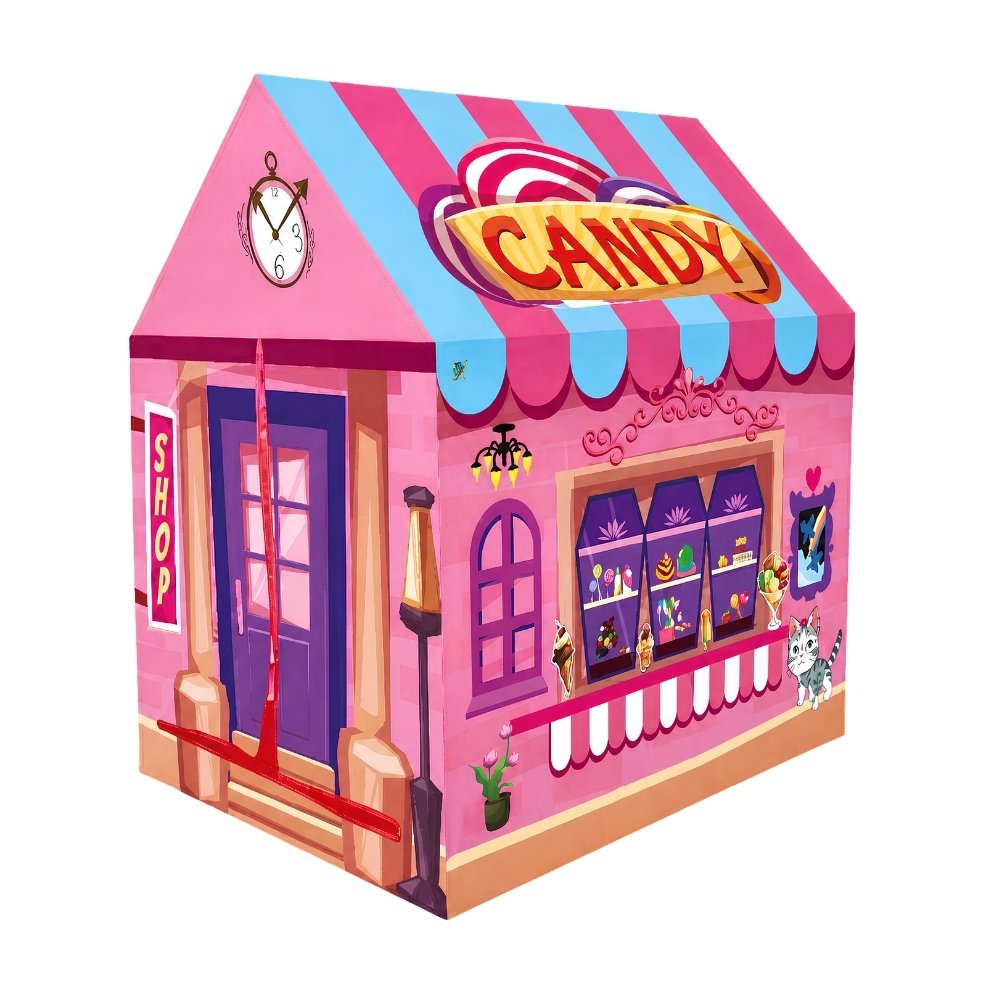
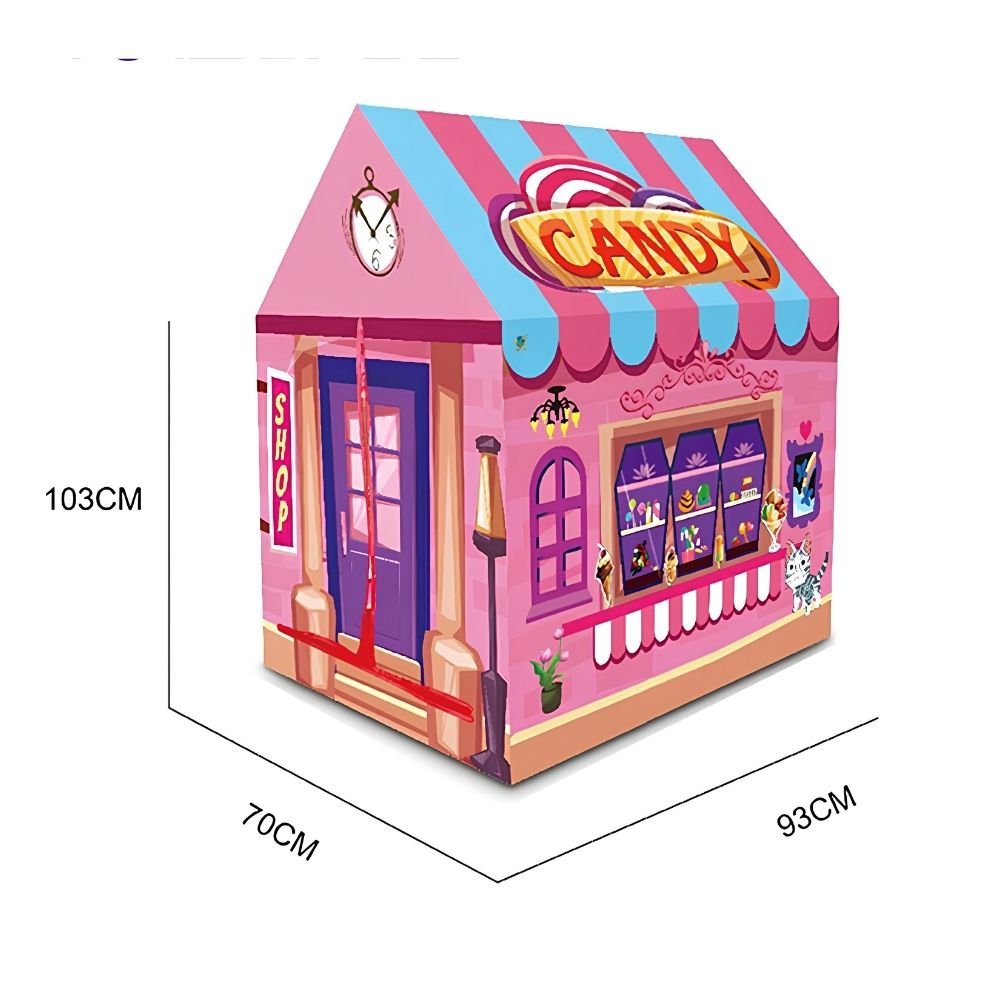
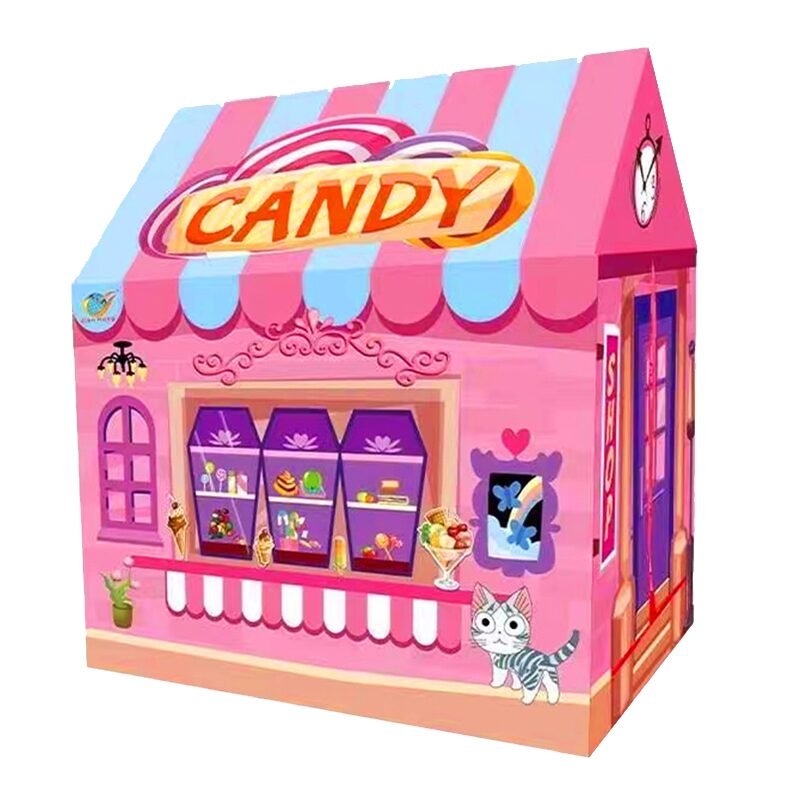
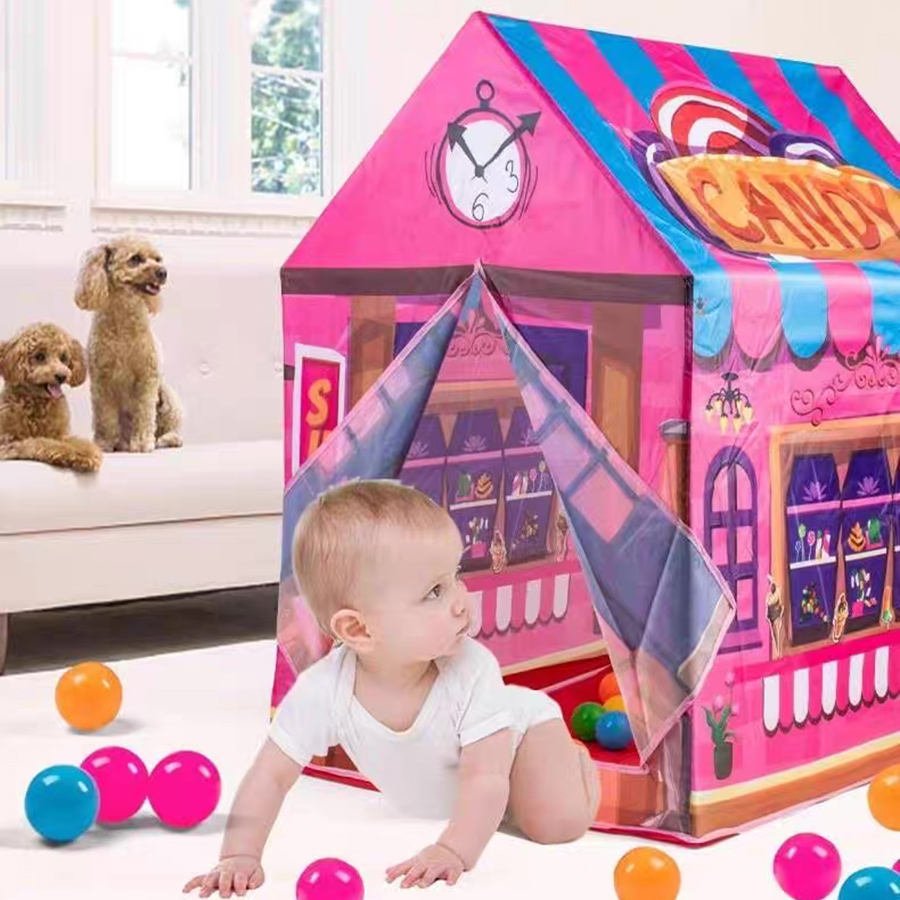
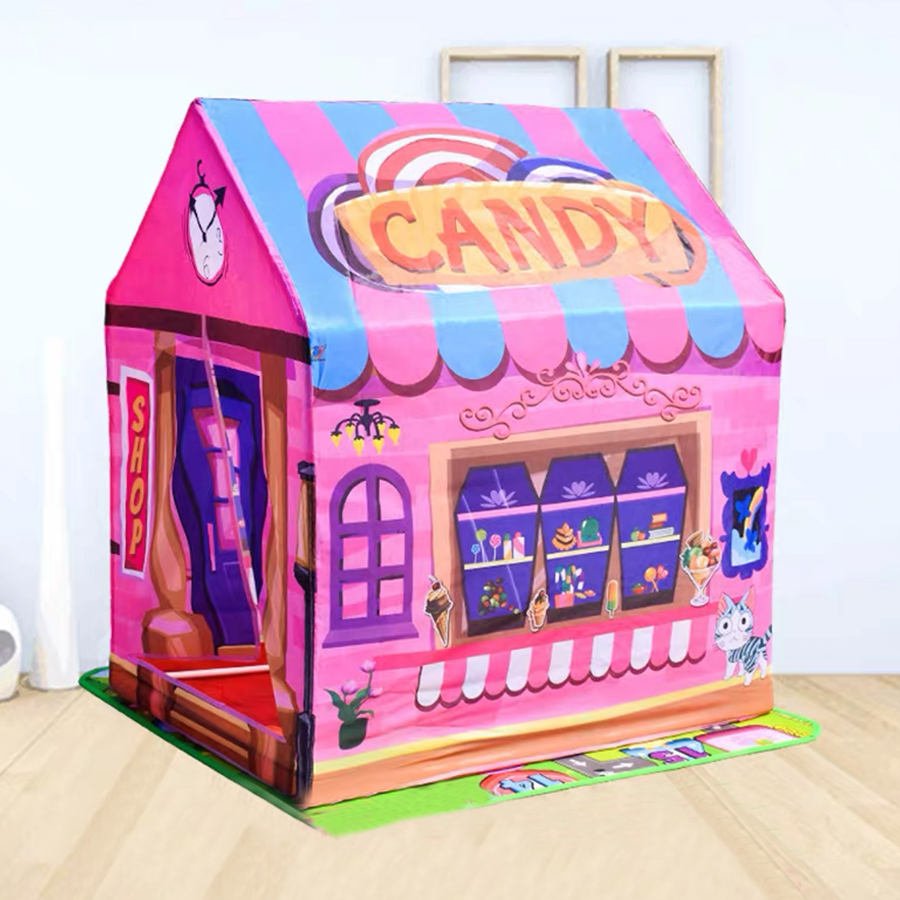
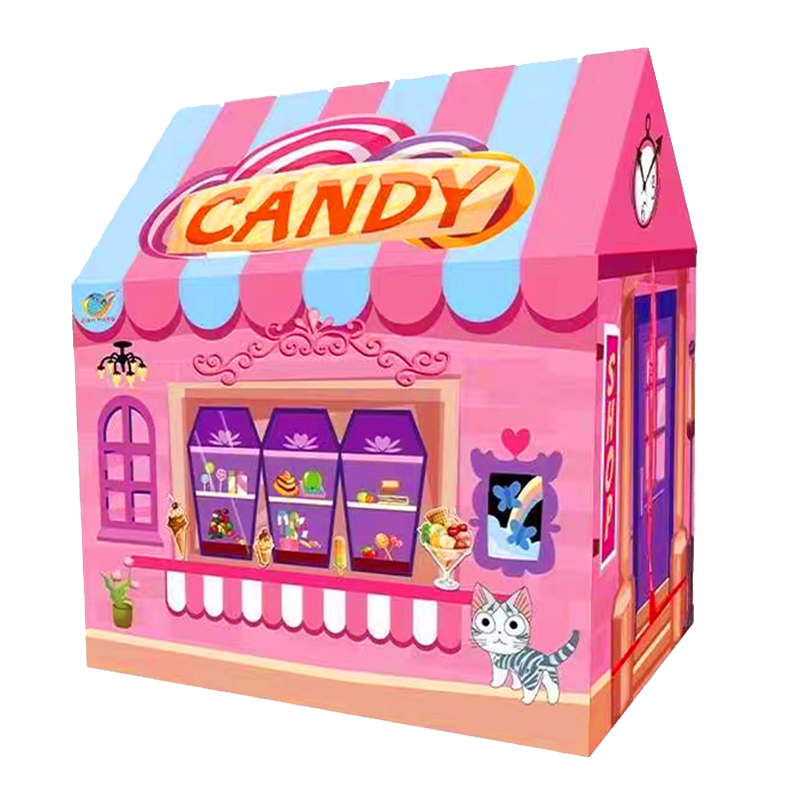
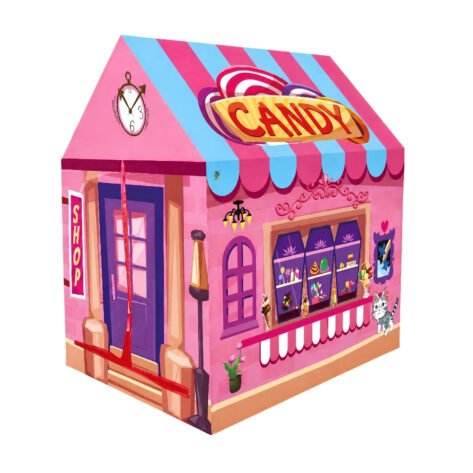
Candy Shop Tent House for Kids – Indoor Pretend Play House
₨5,950.00
🎉 You qualify for FREE delivery
Free delivery on orders above Rs. 5,000


Candy Shop Tent House for Kids – Pretend Play & Indoor Fun
- Sweet Candy Shop Theme: Designed like a colourful little candy store to make pretend shopping, serving and role-playing more exciting.
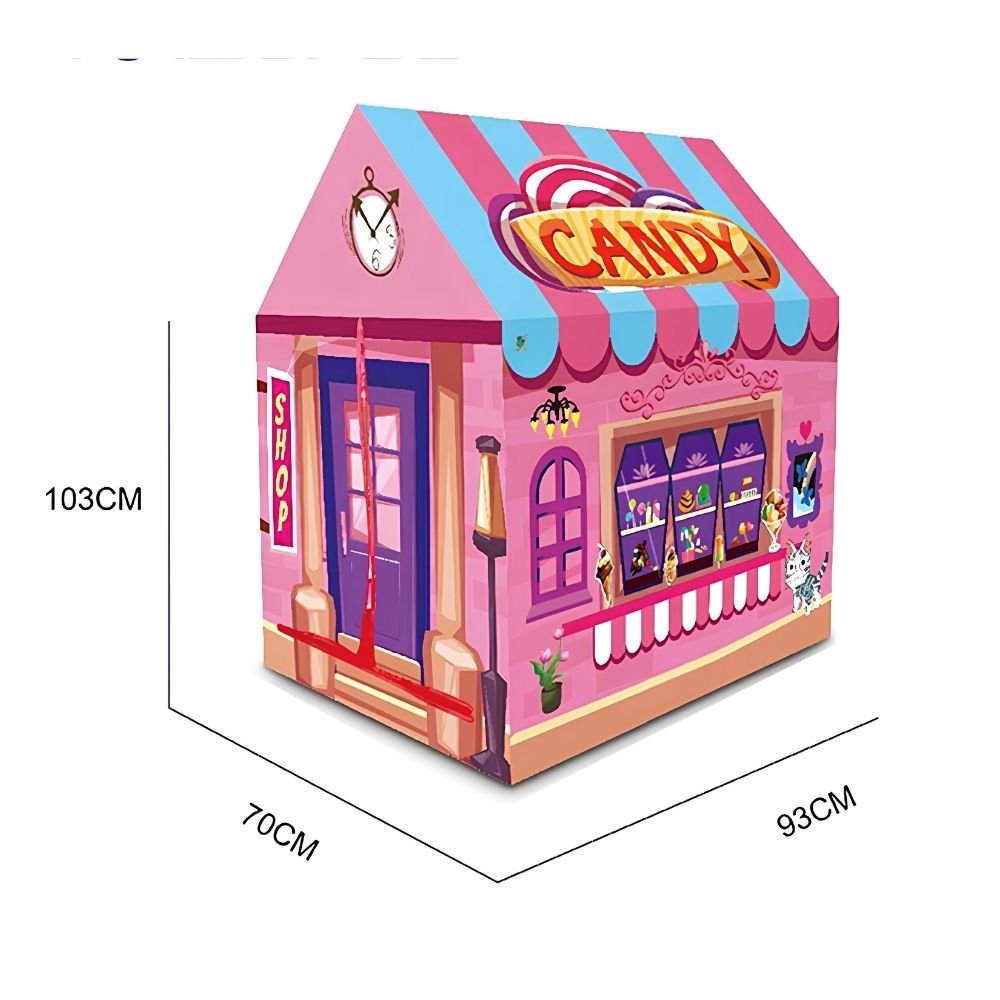
- Private Play Space: Gives children their own cosy corner for imaginative games, reading, toy play or quiet time.
- Easy to Set Up: Lightweight tent construction makes it practical to assemble, move and store when playtime is over.
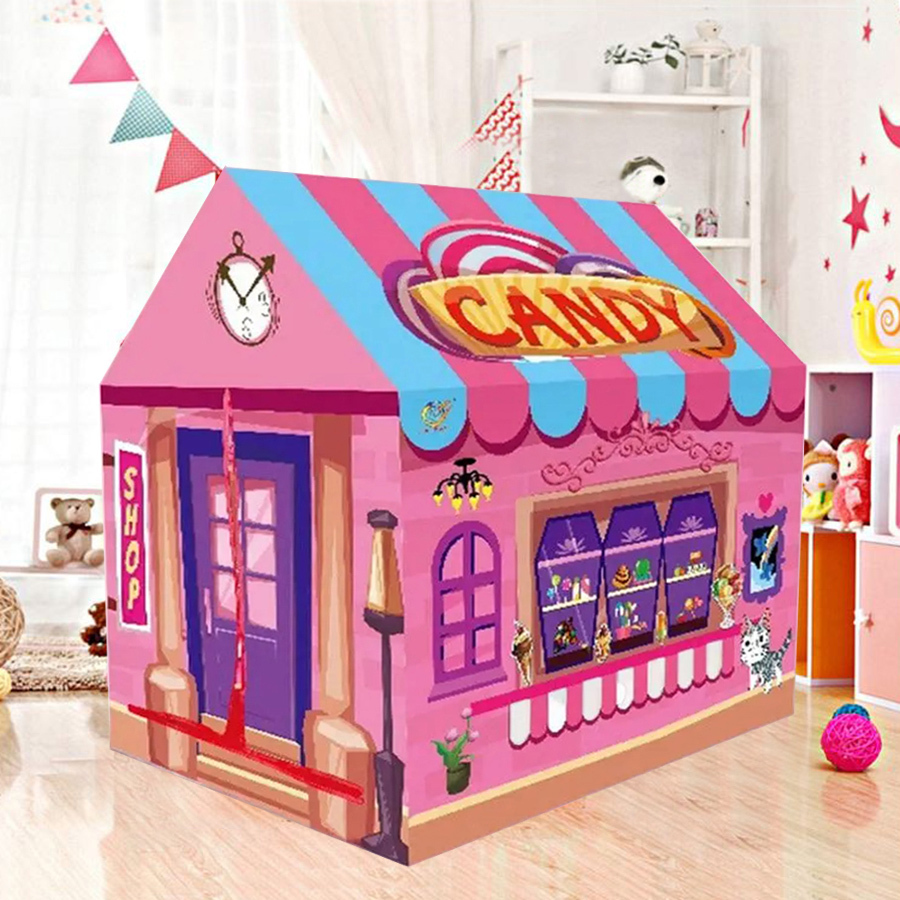
- Airy & Comfortable Design: Window-style openings help keep the inside feeling open while also making pretend shop play more interactive.
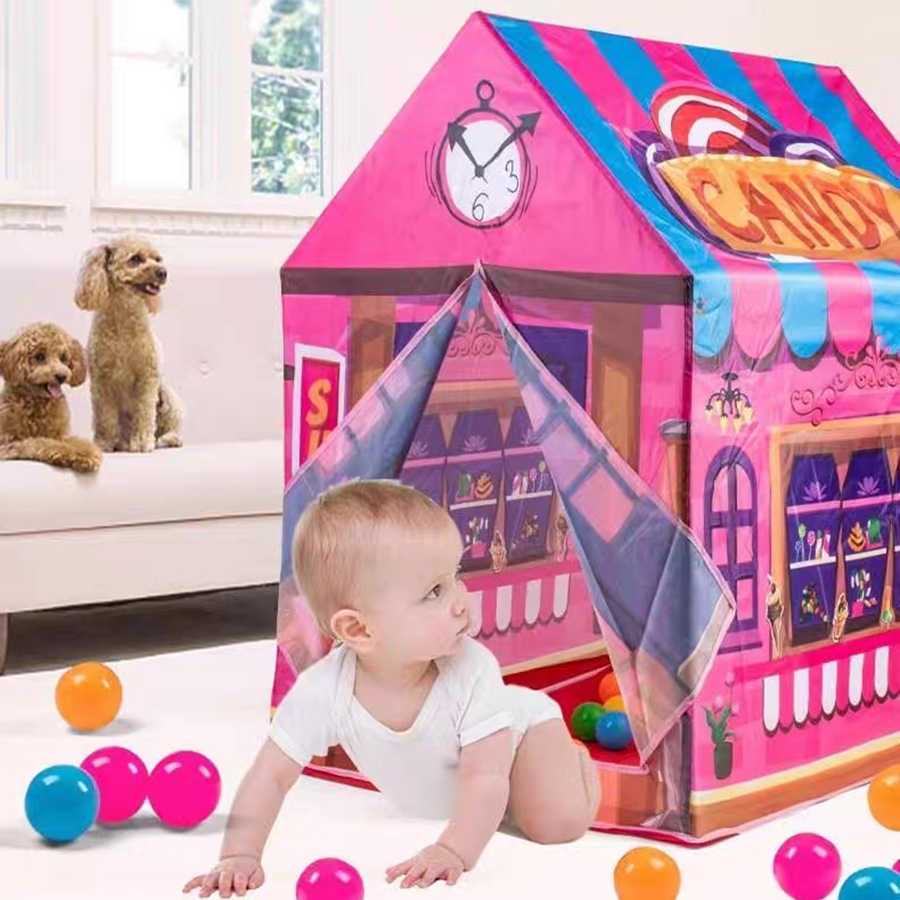
- Indoor & Outdoor Fun: A playful addition to bedrooms, playrooms and other suitable supervised play areas.
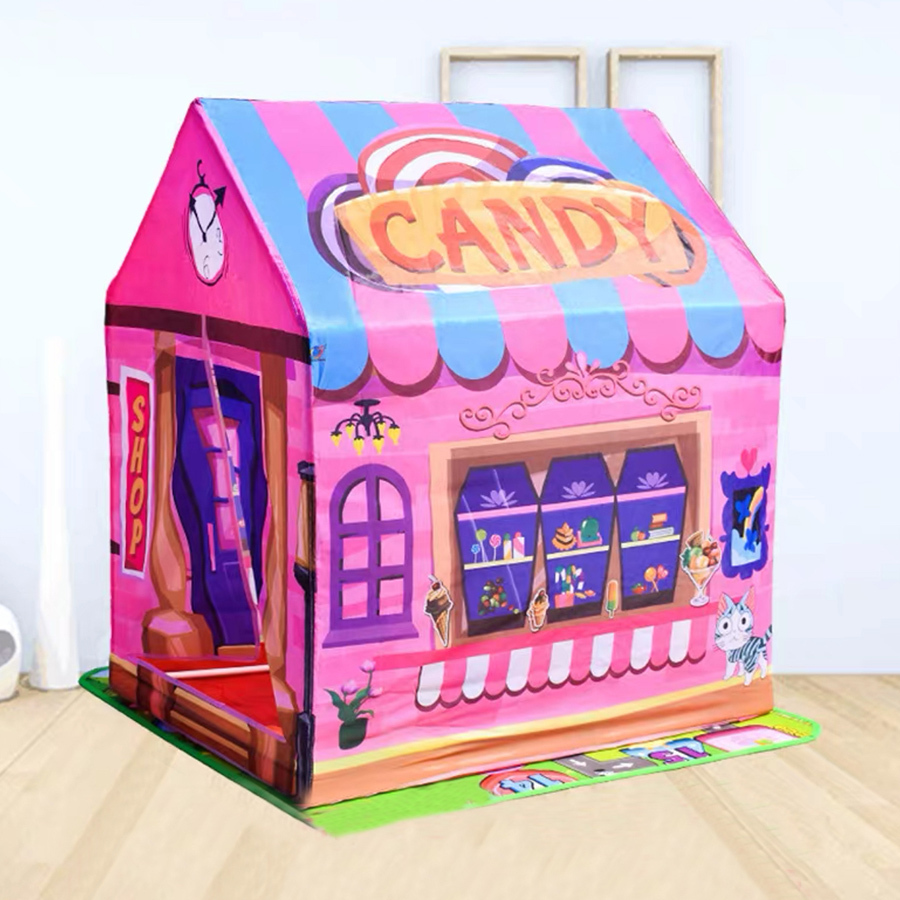
Candy Shop Tent House for Kids – A Little Shop Full of Big Imaginations
Some toys come with instructions.
Others come with batteries.
And then there are toys that simply give children a space and let their imagination decide what happens next.
The Candy Shop Tent House for Kids belongs to that third group.
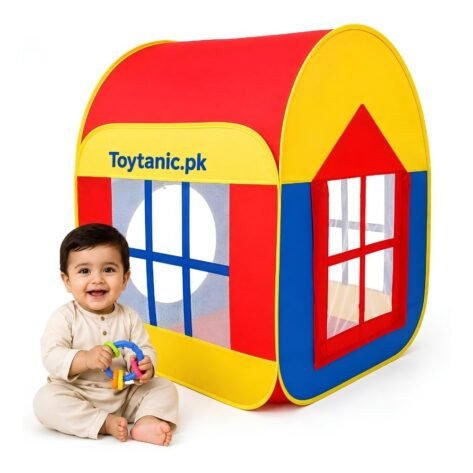
At first glance, it looks like a cheerful little candy store. There is a colourful striped shop-style roof, illustrated windows, a doorway and playful details that make the tent feel more like a miniature storefront than an ordinary play tent.
But once a child steps inside, it can become almost anything.
Today it might be a candy shop.
Tomorrow it could be an ice cream café.
The next afternoon, it might become a bakery, toy store, ticket booth or secret clubhouse.
That flexibility is exactly what makes a pretend play tent so enjoyable.
Instead of telling children how to play, it gives them a setting where they can invent their own stories.
Welcome to the Little Candy Shop
Pretend shops have a special place in childhood.
Children see adults buying groceries, paying at counters, choosing snacks and talking to shopkeepers almost every day. Naturally, they enjoy recreating those familiar moments during play.
With this Candy Shop Tent House for Kids, one child can stand behind the pretend counter while another becomes the customer.
Someone chooses the sweets.
Someone takes the order.
Someone decides the price.
And very quickly, a simple game starts developing into conversation, storytelling and social interaction.
The tent’s candy-shop appearance supports this type of role-play without requiring a complicated setup.
Add a few toy foods, pretend coins, small baskets or favourite soft toys, and the shop is ready for business.
A Tent That Changes with the Story
The best thing about imaginative play is that children rarely follow the same story twice.
One morning the tent may become a busy sweet shop.
A few hours later, the same space becomes a café serving imaginary cupcakes and juice.
By evening, all the shop games may be forgotten and the tent becomes a quiet reading corner with cushions and books.
That makes the tent useful beyond one specific type of play.
Children can use it for:
- pretend shopping
- tea parties
- role-play games
- reading time
- toy storage during play
- quiet relaxation
- storytelling
- hide-and-seek style games
- playing with siblings or friends
The verified Toys4You listing similarly positions this type of candy tent for pretend play, reading and quiet time, with indoor or outdoor use.
A Small Space That Feels Like Their Own
Children often enjoy having a little area that feels separate from the rest of the room.
It doesn’t need to be large or complicated.
Even a simple play tent can feel like a miniature world where children decide the rules.
Inside the Candy Shop Tent House, they can arrange toys, invite favourite dolls inside, bring books, prepare imaginary meals or simply sit quietly.
For parents, it can also help define a dedicated play area without permanently changing the room.
When playtime ends, lightweight children’s tents of this style are designed to be easier to move and store than rigid playhouses. The comparable product listing also describes quick setup and flat storage.
Pretend Shopping Can Become a Learning Game
Children don’t usually think of role-play as learning.
They just think they’re having fun.
But a pretend shop naturally introduces many everyday concepts.
A child may count pretend candies.
They may ask, “How many do you want?”
They may arrange products by colour.
They might pretend to exchange money.
They may tell a customer what is available.
They could even create opening and closing times for their little store.
These simple games can encourage communication, organisation, counting and decision-making without turning playtime into a lesson.
The Customer Has Arrived
One of the easiest ways to make the tent more engaging is to let children take turns playing different roles.
One child becomes the shopkeeper.
Another becomes the customer.
A parent can join as someone looking for a birthday cake.
A teddy bear might arrive to buy sweets.
A doll may need ice cream.
Soon, the conversation begins naturally:
“What would you like?”
“Chocolate please.”
“Would you like anything else?”
“That will be five coins.”
This kind of pretend conversation encourages children to practise language and social interaction in a relaxed way.
The same playhouse can produce dozens of different stories without needing new toys every time.
Make Your Own Candy Store at Home
You don’t need many accessories to create a complete pretend shop experience.
Start with the tent.
Then use toys already available around the house.
Small baskets can become shopping baskets.
Building blocks can become pretend candy boxes.
Plastic plates can hold imaginary cupcakes.
Toy money can create a checkout counter.
Paper can be used to make simple menus or price signs.
Children can even draw their own candy wrappers and place them around the shop.
The goal isn’t to make the store look perfect.
The fun comes from allowing children to decide how their shop works.
Shopkeeper Challenge
Try giving children small pretend missions.
Morning Mission: Arrange five pretend products before the shop opens.
Customer Mission: Take an order from a parent or sibling.
Counting Mission: Give the customer three candies.
Colour Mission: Organise pretend sweets by colour.
Delivery Mission: Prepare an imaginary order for a teddy bear.
Closing Mission: Put everything back before the shop closes.
These tiny challenges turn ordinary role-play into a longer and more interactive activity.
Indoor Play for Everyday Adventures
A play tent is especially useful when children want an activity at home that doesn’t involve a screen.
Set it up in a bedroom, playroom or suitable living area.
A small mat or cushion inside can make it more comfortable.
Place a few favourite toys nearby.
Then let the child decide what today’s adventure will be.
Because the tent creates a defined play area, children can often stay focused on their pretend world for longer than they would with scattered toys alone.
Outdoor Play When the Weather Allows
Comparable listings for candy-shop style tents describe them as suitable for both indoor and outdoor play.
For supervised outdoor use, a garden or other suitable play area can give children even more room to expand the game.
The candy shop can suddenly become part of a whole imaginary town.
A bicycle becomes the delivery vehicle.
A nearby table becomes another shop.
Children can create roads, customers and neighbourhood stories around the tent.
Because lightweight play tents are not permanent outdoor structures, they should generally be brought back indoors after play and used in appropriate weather rather than treated like camping tents.
A Fun Reading Corner Too
Not every moment inside the tent needs to be energetic.
Sometimes children simply enjoy sitting somewhere cosy with a book.
Add a cushion, a favourite story and a soft toy, and the candy shop becomes a small reading nook.
This can be particularly useful when a child wants quiet time but still enjoys having a special place of their own.
A toy that works for both active role-play and calmer activities often stays interesting for longer.
Easy Pretend Play Without a Complicated Setup
One advantage of this style of tent is simplicity.
You don’t need to build a large wooden playhouse or dedicate a permanent section of the room to it.
Comparable candy play tents are marketed as lightweight, easy to set up and suitable for storage after use.
That makes this type of product suitable for families who want imaginative play without adding bulky permanent furniture to a child’s room.
More Than a Candy Shop
Children rarely respect product categories.
And that’s a good thing.
Give them a candy shop and they may decide it’s actually:
- an ice cream parlour
- a bakery
- a grocery store
- a café
- a restaurant
- a ticket counter
- a toy shop
- a doctor’s reception
- a puppet theatre
- a secret clubhouse
The printed theme provides inspiration, but children provide the story.
That’s what keeps open-ended play interesting.
Suitable Age
The comparable Candy Tent Play House listing recommends the product for ages 2 years and above.
For ToyTanic, I would list:
Recommended Age: 2+ Years
Adult supervision is recommended, especially for younger children and during assembly.
Why Parents May Like It
For children, it’s a shop.
For parents, it’s a relatively simple way to encourage pretend play.
The tent offers a defined activity space without requiring electronics, apps or screens.
It can work with toys the child already owns, which means parents don’t necessarily need to purchase a complete pretend-shop accessory set for the child to enjoy it.
And because the theme is familiar, children usually understand immediately what kind of stories they can create.
Create a Whole Pretend Town
The Candy Shop Tent House can become even more interesting when combined with other toys.
Use Cars and Vehicles to create delivery vans bringing sweets to the shop.
Add Blocks and Puzzles to build roads, tables or neighbouring buildings.
Combine it with Pretend Play Toys such as kitchen sets, shopping baskets or food sets to create a more detailed shop.
A nearby Tent House can even become another building in the same imaginary town.
One toy becomes the beginning of a much larger story.
Frequently Asked Questions
What age is the Candy Shop Tent House suitable for?
The comparable product listing recommends this style of tent for children aged 2 years and above.
Can children use it indoors?
Yes. It is well suited to bedrooms, playrooms and other suitable indoor play spaces.
Can it be used outside?
Comparable listings describe the tent as suitable for indoor and outdoor play. Outdoor use should be supervised and limited to appropriate conditions.
What can children do inside the tent?
They can use it for pretend shop games, reading, toy play, quiet time, tea parties, storytelling and other imaginative activities.
Does it have ventilation?
The comparable Candy Tent Play House listing specifies mesh windows and a roll-up door, which help provide airflow and interaction during play.
Is it easy to store?
Comparable models are described as lightweight and designed to fold down for easier storage after play.
A Little Shop Where Every Day Is Different
Children don’t need a real shop to understand the excitement of running one.
They only need a little space and permission to imagine.
Today they might sell candy.
Tomorrow they might serve ice cream.
Next week the same tent could become an entirely different business dreamed up by the child.
That’s the charm of the Candy Shop Tent House for Kids.
It doesn’t provide one game.
It provides a place where children can create hundreds of them.
🔗 Turn pretend shopping into a bigger adventure with our Pretend Play Toys collection for role-play and imaginative games.
🌐 Make-believe play gives children opportunities to explore everyday roles and develop communication skills. UNICEF – The Science of Play





Reviews
There are no reviews yet.