
- Empty cart.
- Continue Shopping

Best Toys for Autistic Children: A Parent’s Complete Guide
- Posted on
 azharmehmood96@gmail
- 2
- Categories: Blog

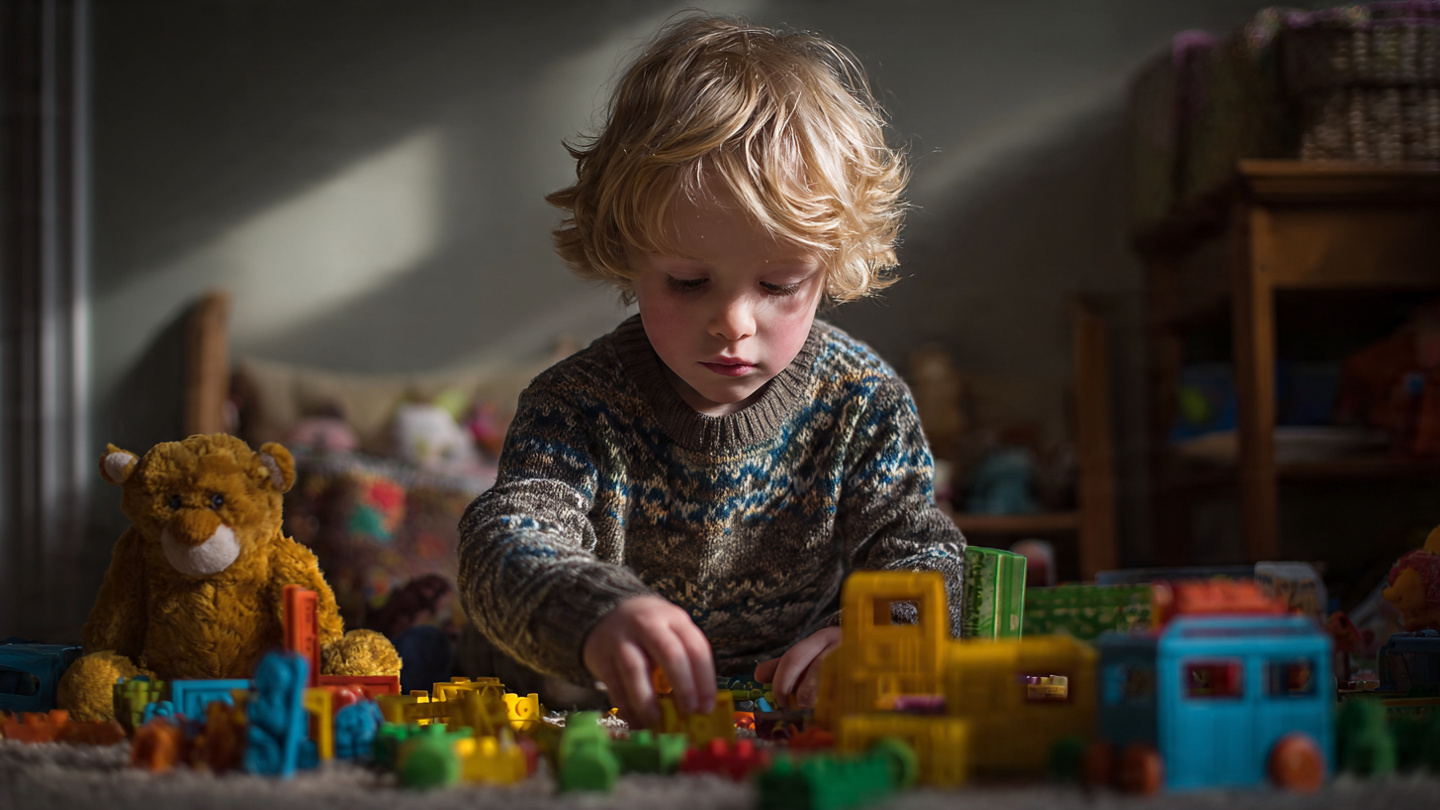
When my nephew was diagnosed with autism at age three, my sister felt overwhelmed. She wanted to support his development but didn’t know where to start. The toy aisle became a minefield of confusion—which toys would help? Which might cause meltdowns? Which were worth the investment?
After months of research, consultations with occupational therapists, and real-world testing, we discovered that the right toys made an incredible difference. Not just in keeping him occupied, but in genuinely supporting his sensory processing, communication development, and social skills.
This guide shares everything we’ve learned about selecting the best toys for autistic children, backed by expert recommendations and real parent experiences.
Understanding Autism and Play

Autism Spectrum Disorder (ASD) affects how children perceive and interact with the world. According to the Centers for Disease Control and Prevention (CDC), approximately 1 in 36 children is diagnosed with autism in the United States. Each child experiences autism differently, which means toy selection must be individualized.
Children with autism often have unique sensory needs. Some seek sensory input (sensory-seeking), while others avoid it (sensory-sensitive). Many struggle with communication, social interaction, or both. Understanding your child’s specific profile is the first step toward choosing beneficial toys.
The right toys can:
- Provide calming sensory input
- Develop fine and gross motor skills
- Encourage communication and language development
- Build social skills through structured play
- Offer predictable, comforting experiences
- Support emotional regulation
Sensory Toys: Meeting Critical Needs

Sensory toys address the unique sensory processing differences many autistic children experience. These aren’t frivolous items—they’re therapeutic tools that help children regulate their nervous systems.
Tactile Sensory Toys
Touch-based sensory toys provide the input many autistic children crave:
Fidget toys offer discreet sensory stimulation. My nephew carries a small fidget cube everywhere. During overwhelming moments, it gives his hands something to do while his brain processes information. Popular options include:
- Stress balls and squishy toys
- Fidget spinners and cubes
- Textured sensory balls
- Therapy putty and slime
Weighted items provide deep pressure input that many find calming. Weighted lap pads, stuffed animals, and blankets offer comfort during stressful situations. The gentle pressure can reduce anxiety and improve focus.
Sensory bins filled with rice, beans, sand, or water beads allow exploration in a contained environment. Children can pour, scoop, hide objects, and satisfy their tactile curiosity safely.
Visual Sensory Toys
Visual stimulation helps some autistic children focus and calm down:
- Liquid motion timers and bubble tubes provide mesmerizing visual input
- Light-up toys and fiber optic lamps create calming environments
- Visual schedules and timers help with transitions and routine understanding
My sister uses a visual timer before transitions. Her son watches the time “disappear,” which reduces anxiety about ending preferred activities.
Auditory Sensory Tools
Sound sensitivity is common in autism, but some children also seek specific auditory input:
- Noise-canceling headphones protect from overwhelming environments
- Musical instruments allow self-expression and sensory exploration
- White noise machines create predictable, soothing soundscapes
- Audiobooks and music players provide comfort and language modeling
Building Blocks and Puzzles: Foundational Learning Tools

Building blocks and puzzles deserve special mention as some of the best toys for autistic children. These classic toys offer multiple developmental benefits while accommodating various skill levels.
Why Blocks Work for Autism
Building blocks provide:
Predictable outcomes: Blocks behave consistently, which appeals to children who value routine and predictability. Stack them, they stay. Knock them down, they fall. This reliability reduces anxiety.
Open-ended play: There’s no “wrong” way to play with blocks, removing performance pressure. My nephew builds the same tower repeatedly—and that’s perfectly fine. He’s developing motor skills and finding comfort in repetition.
Visual-spatial development: Manipulating blocks builds understanding of size, shape, space, and balance—critical skills for many life activities.
Fine motor practice: Grasping, placing, and balancing blocks strengthens hand muscles needed for writing and self-care tasks.
Cause-and-effect learning: Children see immediate results from their actions, supporting cognitive development.
Puzzle Benefits for Autistic Children
Puzzles offer similar advantages:
- Pattern recognition: Many autistic children excel at seeing patterns, making puzzles naturally engaging
- Problem-solving skills: Completing puzzles builds logical thinking without social demands
- Focus and concentration: The absorbing nature of puzzles helps develop attention span
- Sense of accomplishment: Finishing a puzzle provides clear success and boosts confidence
Start with simple wooden puzzles featuring favorite topics (vehicles, animals, characters). Gradually increase complexity as skills develop. Avoid puzzles with too many pieces initially, as frustration undermines learning.
Communication and Language Development Toys

Many autistic children struggle with verbal communication. Toys supporting language development can make tremendous differences.
Picture-Based Communication Tools
Picture cards and communication boards help non-verbal or minimally verbal children express needs. These tools reduce frustration by providing alternative communication methods.
Interactive books with sound buttons encourage language development. Children associate words with images and sounds, building vocabulary at their own pace.
Pretend Play Items
While some assume autistic children don’t enjoy pretend play, many do when properly supported:
- Simple play sets with few pieces (toy kitchen, doctor kit, farm animals)
- Dollhouses with structured scenarios
- Toy phones and play food for practicing social scripts
My nephew didn’t naturally engage in pretend play, but with modeling and structure, he now “feeds” his toy animals and “cooks” in his play kitchen. Each session practices sequencing, vocabulary, and social concepts.
Social Skills Games
Turn-taking games teach fundamental social concepts. Simple board games with clear rules help children practice waiting, following instructions, and managing winning/losing emotions.
Matching games work well for autistic children who enjoy patterns and sameness while introducing social interaction in manageable doses.
Movement and Gross Motor Toys

Physical activity helps many autistic children regulate their sensory systems and burn excess energy.
Indoor Movement Equipment
Mini trampolines provide proprioceptive input (body awareness) that many autistic children seek. Jumping is organizing for the nervous system and often has a calming effect.
Swing sets or therapy swings offer vestibular input (balance and spatial orientation). The rhythmic motion soothes many children while building core strength.
Balance boards and stepping stones develop coordination and body awareness through play.
Crash pads and ball pits allow safe sensory-seeking behavior. Children who need to “crash” can do so without injury risk.
Outdoor Play Items
Bikes and scooters build gross motor skills, balance, and confidence. Look for models with training wheels or extra stability for children still developing coordination.
Sandbox toys and water tables combine sensory exploration with outdoor play, perfect for children who find indoor environments overwhelming.
STEM and Learning Toys

Many autistic children have strong interests in specific topics. STEM toys can channel these interests into learning opportunities.
Pattern and Sequence Toys
Color and shape sorters teach categorization and pattern recognition—areas where many autistic children naturally excel.
Bead sequencing sets develop fine motor skills while satisfying love of patterns and order.
Magnetic building tiles combine engineering concepts with satisfying clicks and visual appeal.
Cause-and-Effect Toys
Marble runs and ball tracks provide clear cause-and-effect relationships. Children see exactly how their actions create outcomes.
Simple machines and gear sets appeal to children interested in how things work while building problem-solving skills.
Technology-Based Learning
Educational tablets with structured apps can be beneficial when screen time is monitored. Look for apps teaching specific skills with clear objectives and minimal distractions.
Programmable robots introduce coding concepts through hands-on play, perfect for detail-oriented children who enjoy logical sequences.
Calming and Self-Regulation Tools

Teaching self-regulation is crucial for autistic children. Certain toys specifically support emotional management.
Calming Sensory Items
Sensory bottles filled with glitter, water, and oil provide visual calm during meltdowns. Children shake them and watch contents settle, which often helps them settle too.
Breathing balls expand and contract, teaching deep breathing techniques in a visual, tactile way.
Compression vests or pressure shirts provide all-over deep pressure that calms the nervous system.
Comfort Items
Weighted stuffed animals combine the comfort of a lovey with therapeutic deep pressure.
Textured blankets in favorite materials become portable safe spaces during overwhelming situations.
Common Questions Parents Ask
Q: How do I know which sensory profile my child has?
Observe patterns. Does your child seek movement, textures, and sounds? They’re likely sensory-seeking. Do they cover ears, avoid certain clothing textures, or dislike being touched? They may be sensory-sensitive. An occupational therapist can provide a formal sensory evaluation, but parent observation is incredibly valuable.
Q: Should I force my child to play with toys they avoid?
Never force. If a toy causes distress, respect that. You can gently reintroduce it later or find alternatives meeting the same developmental goals. Forcing creates negative associations and increases anxiety.
Q: Are expensive specialized autism toys necessary?
Not always. Many effective toys are simple and affordable. However, some specialized sensory items (weighted blankets, quality noise-canceling headphones) are worth the investment for daily use. Focus spending on items addressing your child’s specific needs.
Q: How many toys should my autistic child have accessible?
Less is often more. Too many choices create overwhelm. Rotate toys to maintain interest while keeping the environment manageable. My sister keeps about 5-7 toys accessible, rotating weekly from stored options.
Q: Can toys help with meltdowns?
Certain toys help prevent meltdowns by addressing sensory needs before overwhelm occurs. Fidget toys during difficult transitions, weighted items during anxiety, and calming visual toys all serve preventative roles. However, toys aren’t magic solutions—they’re tools supporting overall regulation strategies.
Choosing the Best Toys for Autistic Children: A Decision Framework

Selecting appropriate toys becomes easier with a systematic approach:
1. Assess Your Child’s Needs
Consider:
- Sensory preferences (seeking or avoiding)
- Communication level
- Motor skill development
- Special interests
- Emotional regulation challenges
2. Prioritize Safety
Durability matters: Autistic children often use toys intensely. Choose well-constructed options that withstand rough play.
Check for choking hazards: Even older children who mouth objects need age-appropriate safety considerations.
Avoid overwhelming features: Toys with excessive lights, sounds, and movements might overstimulate rather than engage.
3. Start Simple
Begin with basic versions before moving to complex toys. Success builds confidence. A simple 4-piece puzzle teaches the concept before attempting 24-piece versions.
4. Follow Your Child’s Interests
Special interests aren’t distractions—they’re motivation. A child obsessed with trains will engage more with train-themed learning toys than generic options. Use interests as bridges to new skills.
5. Consult Professionals
Occupational therapists, speech therapists, and autism specialists provide personalized recommendations based on your child’s evaluation. Their expertise saves time and money by directing you toward effective options.
Real-World Success Stories
The breakthrough moment for my nephew came from a simple sensory bin filled with dried beans and small cars. He’d spend 45 minutes driving cars through “roads” he created, completely calm and engaged. That bin helped him through difficult transitions and taught him cause-and-effect as he watched beans scatter.
Another parent I know discovered that weighted lap pads transformed her daughter’s ability to sit during meals. Previously, mealtime involved constant movement. The lap pad provided the sensory input she needed, allowing her to focus on eating and family conversation.
These aren’t miracle cures—they’re tools supporting children’s unique needs. The right toy won’t “fix” autism (nor should it), but it can help children feel more comfortable, learn effectively, and engage with their world.
Building Your Toy Collection Gradually

You don’t need everything immediately. Building an effective toy collection takes time and observation:
Month 1: Focus on one category matching your child’s primary need (sensory, communication, or motor skills)
Month 2-3: Add toys supporting secondary developmental areas
Month 4+: Refine based on what works, donate what doesn’t, and gradually increase complexity
My sister wishes she’d known this initially. She bought dozens of “autism toys” immediately after diagnosis, overwhelming both her son and her budget. Slow, intentional selection proved far more effective.
The Role of Play in Autism Therapy
While toys support development, they’re most effective within comprehensive intervention. According to Autism Speaks, evidence-based approaches including Applied Behavior Analysis (ABA), speech therapy, and occupational therapy provide structure for using toys therapeutically.
Toys become therapeutic tools when:
- Used consistently with clear objectives
- Integrated into structured routines
- Paired with adult interaction and modeling
- Matched to current developmental levels
- Gradually increased in complexity
Conclusion: Empowering Development Through Thoughtful Play
Finding the best toys for autistic children requires understanding your child’s unique profile, consulting with professionals, and paying attention to what truly engages and benefits them. There’s no universal “best toy”—only toys that work best for your specific child.
The best toys for autistic children share common traits: they meet sensory needs, respect individual preferences, support skill development without pressure, and create opportunities for successful, joyful experiences. Whether it’s building blocks that provide predictable satisfaction, sensory fidgets that ease anxiety, or communication tools that give voice to thoughts and needs, the right toys make meaningful differences.
Start where your child is, follow their lead, and celebrate small victories. That tower built repeatedly teaches persistence. That fidget toy preventing a meltdown demonstrates self-regulation. Those puzzle pieces matched correctly build confidence one success at a time.
You’re not looking for toys that change your child—you’re seeking tools that support them in becoming their best selves. That’s the true power of thoughtfully chosen play items for autistic children.
References:
- Centers for Disease Control and Prevention (CDC).[1]
- Autism Speaks. “Applied Behavior Analysis (ABA).[2]
- American Occupational Therapy Association (AOTA).[3]
- National Autism Association. [4]





Bet83, eh? Never heard of them, but willing to give anyone a fair shot. Might check out their odds on the races this weekend. Investigate for yourself, bet83
Phspinviplogin access granted! Here’s hoping to those lucky spins! Fingers crossed for some VIP wins indeed! Check out phspinviplogin!