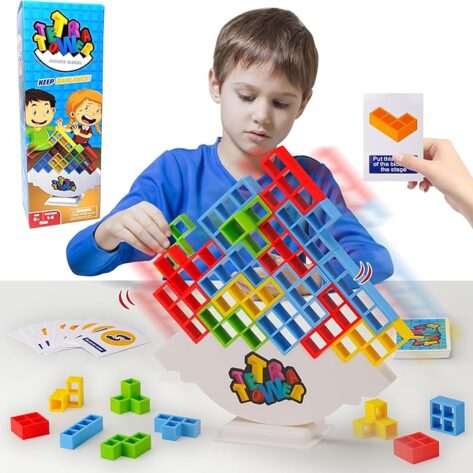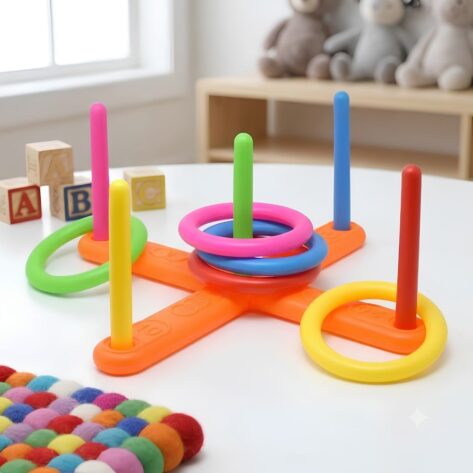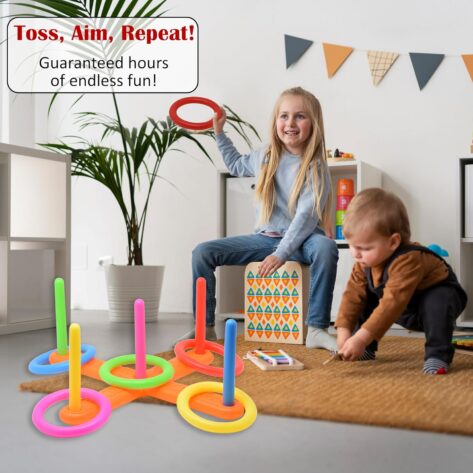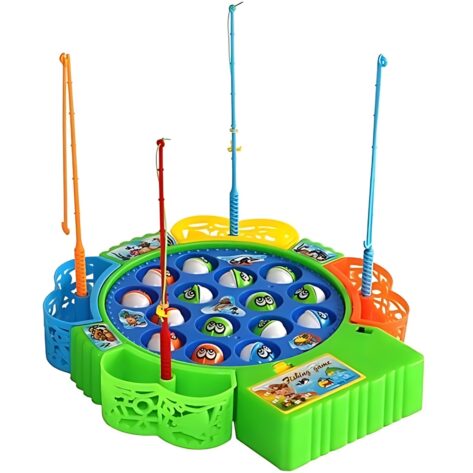
Blocks & Puzzles
- Home
- Blocks & Puzzles
Showing all 28 results
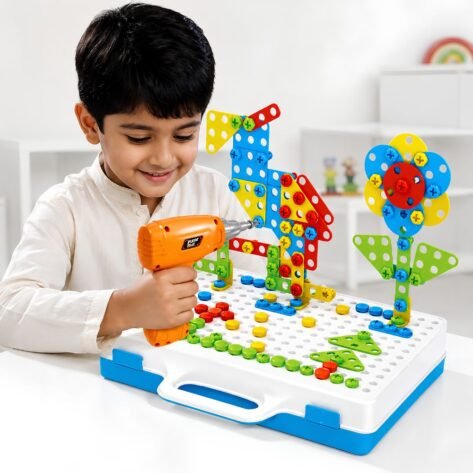
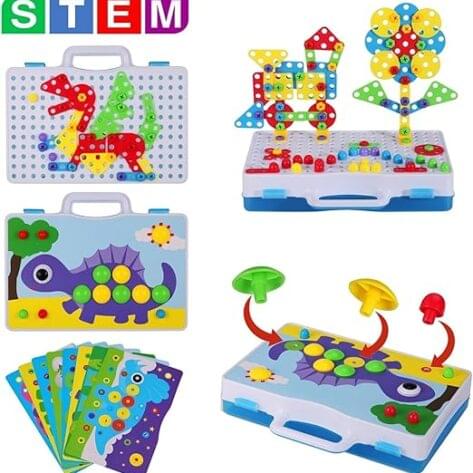
149 Pcs STEM Building Tool Set for Kids – Educational Engineering Construction Toy
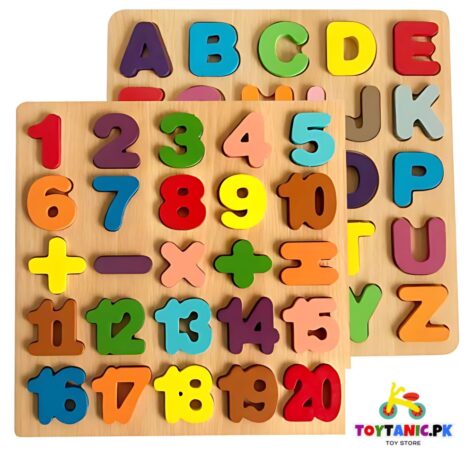
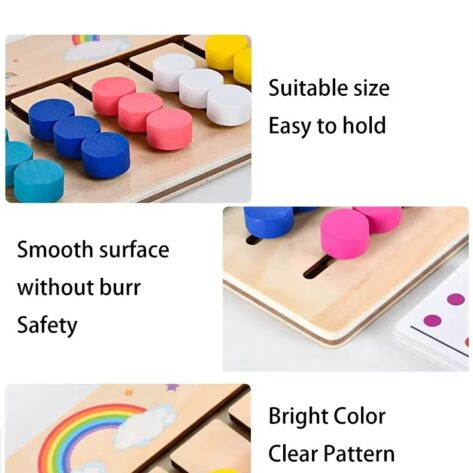
2 Pcs Learning Wooden Puzzle Boards Set for Kids – Alphabets and Numbers
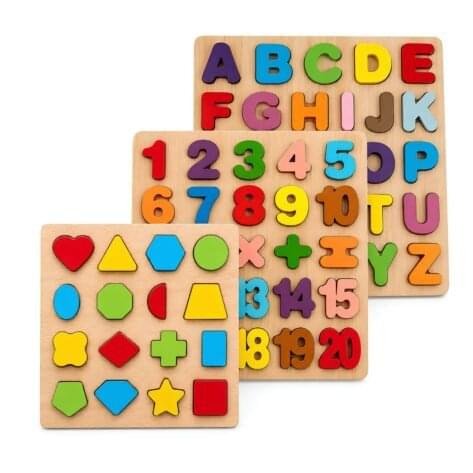
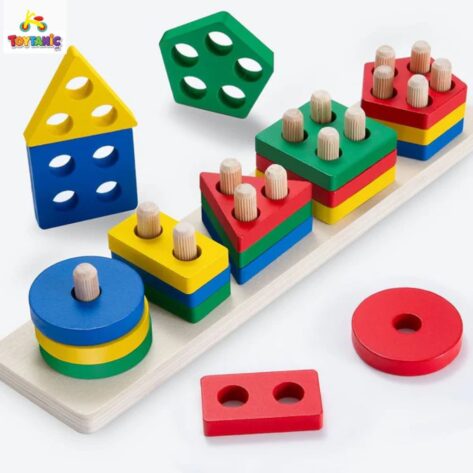
3 Puzzle Wooden Boards Numbers Alphabets and Shapes – Educational Wooden Learning Toy


Hot
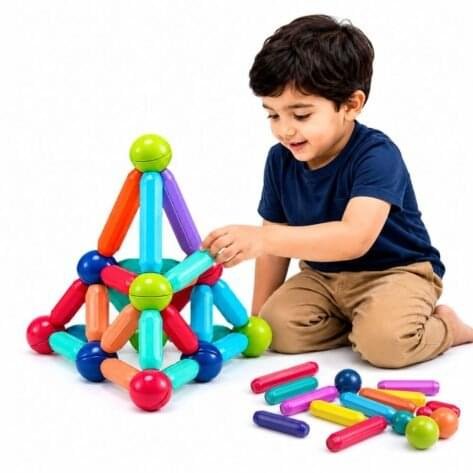
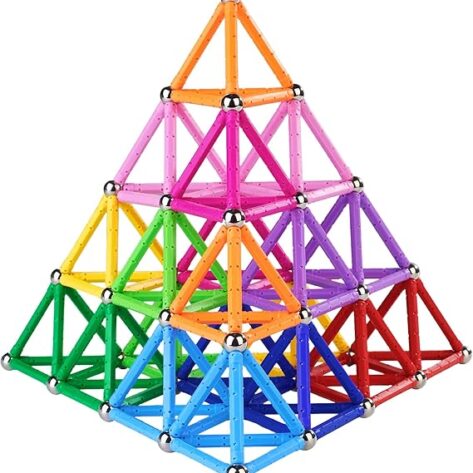
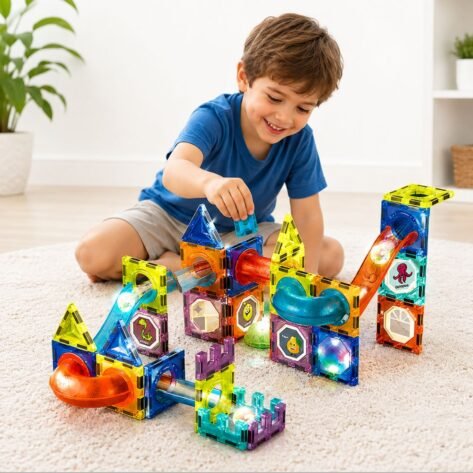
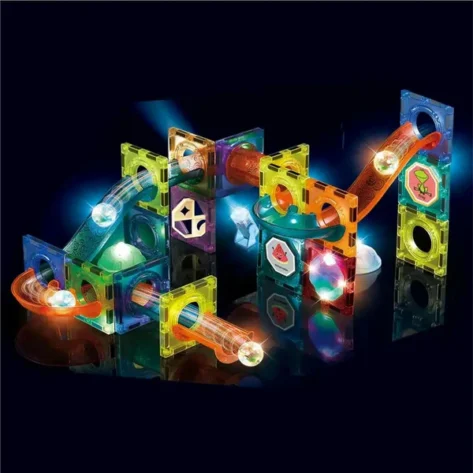
Best Educational Magnetic Blocks for Kids – STEM Magnetic Building Set (36, 42 & 64 PCS)

Hot
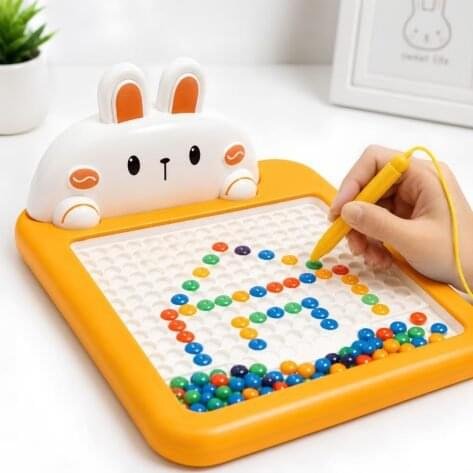
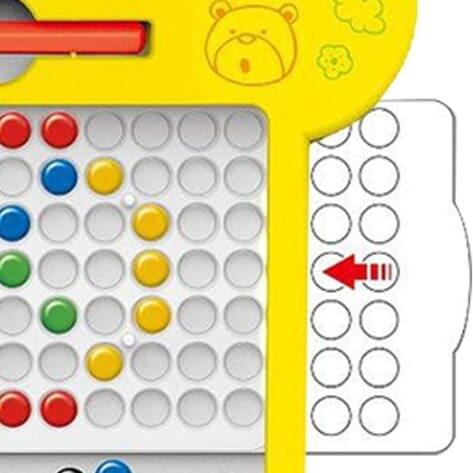
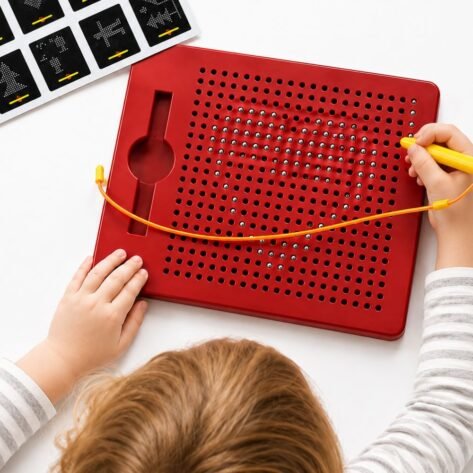
Best Kids Magnetic Drawing Board with Beads – Montessori Magnetic Bead Drawing Board
Building Blocks Table for Kids with Chair – Educational Activity Table

Hot
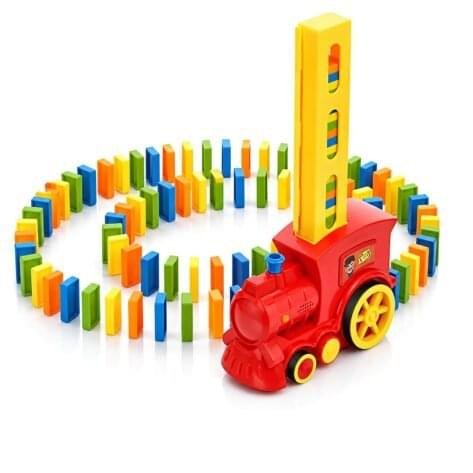
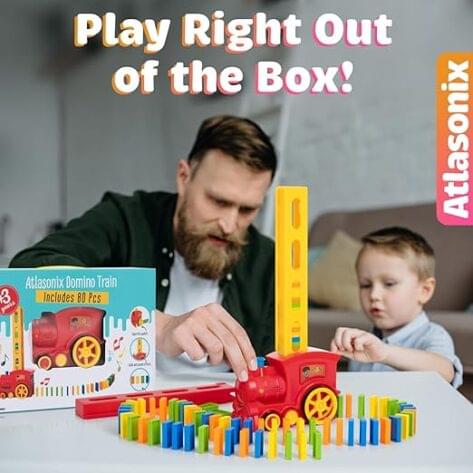
Creative Domino Train for Kids – 60 PCS / 80 PCS Electric Domino Laying Train
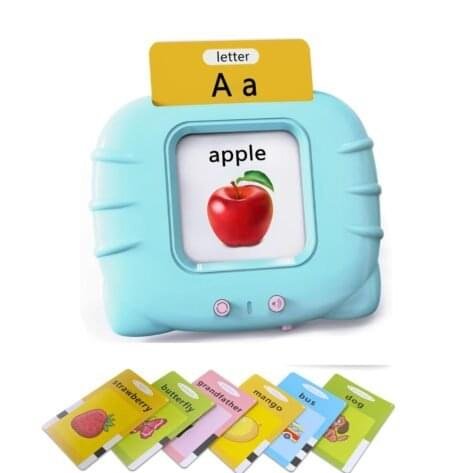
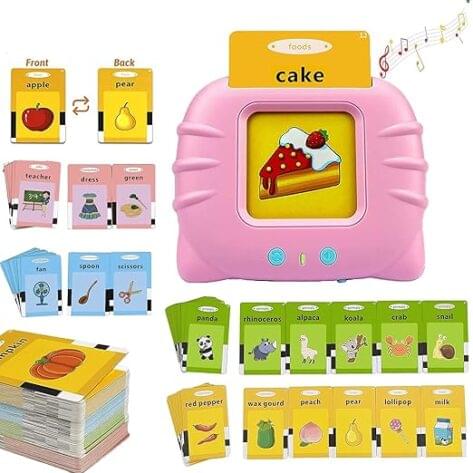
Educational Flash Cards Device for Kids – 112 Talking Flash Cards Learning Toy
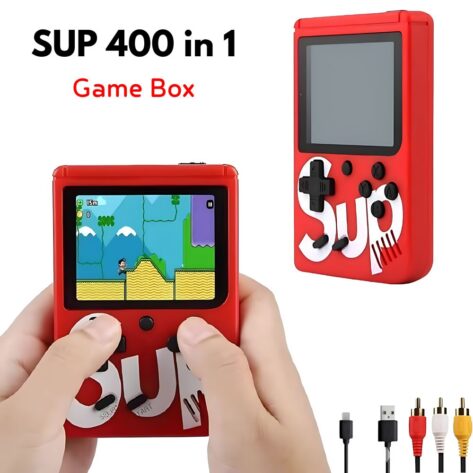
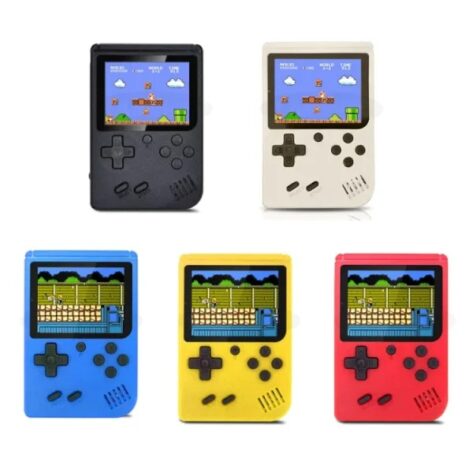
Kids SUP Game Box Plus Console 400 in 1 – Portable Retro Handheld Gaming Console
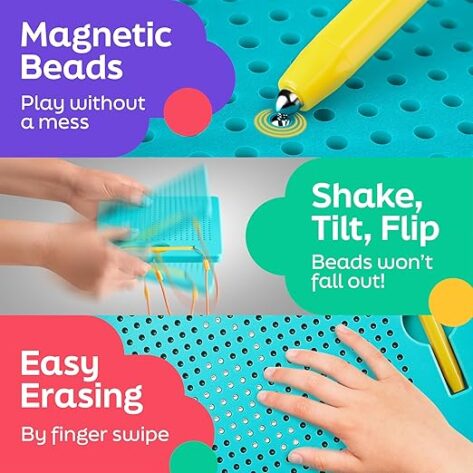
Magnetic Drawing Board for Kids – Reusable Erasable Learning Doodle Board
Blocks & Puzzles for Kids in Pakistan – Where Great Thinkers Begin
Every Great Builder Starts with One Block
It usually begins with just one block.
A toddler carefully places it on the floor. Then another goes on top. For a brief moment, everything seems perfect. But before they can celebrate, the tiny tower leans to one side and tumbles over.
There is a short pause.
The child looks at the scattered blocks, thinks for a second, and quietly begins again.
No one asks them to try another way. No one explains what went wrong. They simply experiment, adjust, and keep building until, eventually, the tower stays standing.
To adults, it may look like ordinary play.
To a child, it’s the first lesson in perseverance.
Every fallen tower teaches patience. Every successful build rewards effort. Every puzzle piece that doesn’t fit encourages another attempt. Long before children learn these ideas in school, they discover them naturally through play.
That is why Blocks & Puzzles for Kids in Pakistan have remained favourites for generations. They don’t simply keep children busy—they encourage young minds to observe, question, experiment, and solve problems one small challenge at a time.
Unlike activities where every step is already decided, building blocks and puzzles invite children to think for themselves. There is no single “correct” way to build a city, design a bridge, or create an imaginary world. Each decision belongs to the child, and every new idea becomes another opportunity to learn.
At ToyTanic, we believe these quiet moments of discovery deserve just as much attention as academic achievements. When children stack blocks, complete puzzles, or invent new structures from their imagination, they are developing habits that will benefit them throughout life—curiosity, resilience, creativity, and confidence.
Every Great Builder Starts with One Block
Children are naturally curious. Give them a handful of blocks and they immediately begin asking silent questions.
“Can I build it higher?”
“What happens if I use a different shape?”
“Why did it fall?”
“Can I make it stronger?”
These questions are far more valuable than simply finishing a tower because they encourage children to think independently instead of waiting for answers.
This process of trial and error is how real builders, designers, engineers, and inventors solve problems every day. Children don’t realise it while they’re playing, but each small challenge strengthens their ability to observe carefully, test new ideas, and improve their solutions.
Puzzles create the same experience in a different way. Finding the correct piece isn’t about guessing—it’s about comparing shapes, recognising patterns, noticing tiny details, and patiently trying again when something doesn’t fit.
Little by little, children begin to understand that mistakes aren’t failures. They’re simply clues that help them discover a better solution.
That mindset often becomes one of the most valuable lessons childhood can offer.
Which Activity Matches Your Child’s Thinking Style?
| If Your Child Enjoys… | Try… | Skills They Naturally Strengthen |
|---|---|---|
| Solving mysteries and finding answers | Logic puzzles | Critical thinking and reasoning |
| Building without instructions | Magnetic building blocks | Creativity, engineering thinking and innovation |
| Matching colours and shapes | Wooden puzzles | Observation, memory and visual recognition |
| Designing imaginative structures | Construction blocks | Spatial awareness and planning |
| Taking time to solve challenges | Jigsaw puzzles | Focus, patience and perseverance |
Every child thinks differently, and that’s exactly what makes Blocks & Puzzles for Kids in Pakistan so rewarding. Some children dream up towering castles, others patiently solve intricate puzzles, and some do a little of both. The goal isn’t to build the tallest tower or finish the fastest puzzle. It’s to give children the confidence to ask questions, explore new ideas, and discover that every challenge solved today becomes the foundation for even bigger ideas tomorrow.
Building Beyond the Toy
There comes a moment when parents realise their child is no longer simply stacking blocks.
They’re designing.
Planning.
Testing ideas.
Telling stories.
What begins as a handful of colourful pieces slowly becomes something much bigger than play. A few blocks become a busy city where tiny cars travel between buildings. A puzzle inspires questions about animals and places. A bridge connects two imaginary worlds, and suddenly an ordinary afternoon becomes an adventure powered entirely by creativity.
This is why Blocks & Puzzles for Kids in Pakistan remain timeless. They don’t tell children what to create—they simply hand them the tools to imagine what could exist.
Unlike toys with fixed characters or predetermined outcomes, building toys grow alongside a child’s ideas. Every completed project becomes the starting point for the next one.
A City Built One Block at a Time
Ask a child to build a city, and you’ll rarely get the same answer twice.
One child carefully places roads between colourful houses. Another builds a towering skyscraper that reaches as high as their little hands can manage. Someone else creates a school, a park, and even a tiny hospital where toy figures begin their daily adventures.
Without realising it, children are learning how different spaces connect, how structures support one another, and how planning ahead often makes building easier. More importantly, they’re discovering that their imagination has no blueprint.
Castles, Bridges and Incredible Ideas
Some children don’t dream about cities at all.
They dream about castles protected by brave knights, bridges stretching across wide rivers, or mysterious forts hidden deep inside imaginary forests.
Building these creations teaches more than creativity. Every bridge must balance. Every tower needs a strong base. Every castle wall requires thoughtful planning if it’s going to stay standing.
Children naturally begin asking themselves questions that real architects and engineers ask every day:
“Will this hold?”
“Can I make it taller?”
“What should I change?”
Finding those answers through play makes learning feel exciting instead of difficult.
Where Rockets Launch and Animals Find New Homes
Not every construction project belongs on Earth.
One afternoon, blocks become a rocket station preparing for a mission to distant planets. The next day, they transform into a zoo where every animal has its own carefully designed habitat.
These imaginary worlds encourage children to combine creativity with organisation. They begin grouping similar objects, creating spaces with different purposes, and thinking about how everything fits together.
What looks like pretend play is quietly strengthening observation, planning, and flexible thinking.
Every Puzzle Teaches a Different Way of Thinking
Puzzles challenge the brain in a completely different way.
Instead of creating something from imagination, children learn to recognise patterns, compare details, and patiently search for the missing piece that completes the picture.
Some puzzles encourage visual memory.
Others develop logical thinking.
Some require careful observation, while others improve concentration by asking children to focus on one small task at a time.
There is no single “best” puzzle because every challenge exercises a different part of a child’s thinking process. Together, blocks and puzzles create a balanced learning experience—one encourages invention, while the other encourages careful analysis.
One Child, Many Ways to Think
Every child approaches challenges differently. Understanding how your child naturally thinks can help you choose activities that keep them curious while encouraging new skills.
| Child’s Thinking Style | Activities They May Enjoy | Skills That Naturally Grow |
|---|---|---|
| The Curious Explorer | Open-ended building blocks | Experimentation, confidence and creative thinking |
| The Careful Thinker | Wooden and picture puzzles | Observation, patience and attention to detail |
| The Young Inventor | Magnetic construction sets | Engineering ideas, planning and innovation |
| The Creative Dreamer | Building castles, villages and imaginative worlds | Storytelling, imagination and flexible thinking |
| The Strategic Problem Solver | Logic games and advanced puzzles | Critical thinking, reasoning and perseverance |
The true value of Blocks & Puzzles for Kids in Pakistan isn’t measured by how quickly a puzzle is completed or how tall a tower becomes. It lies in the questions children ask, the ideas they test, and the confidence they gain every time they discover a solution on their own. Today’s miniature city, bridge, or rocket station may disappear before bedtime—but the curiosity and problem-solving habits developed while building them often last a lifetime.
Creating a Home That Inspires Big Thinkers
Children don’t need a large playroom to become creative thinkers. In many homes, the most meaningful ideas begin in a quiet corner with a few carefully chosen building blocks, a puzzle waiting to be solved, and enough space for imagination to grow.
The goal isn’t to create a picture-perfect play area. It’s to create an environment that quietly encourages children to ask questions, experiment, make mistakes, and discover solutions on their own. When play feels inviting rather than overwhelming, children naturally spend more time exploring their ideas.
Choosing the Right Challenge
One of the biggest mistakes adults make is believing that a more difficult toy automatically creates a better learning experience. In reality, children grow most when a challenge feels achievable but still requires a little effort.
If every puzzle is completed in seconds, curiosity quickly fades. If every activity feels impossible, frustration replaces confidence.
The best challenges sit somewhere in between. They encourage children to pause, think, experiment, and celebrate small victories along the way.
Some days your child may enjoy quietly solving a puzzle alone. On other days, they may want to build an enormous city with siblings or parents. Offering different types of challenges keeps play fresh while supporting different ways of thinking.
Open-Ended Play or Structured Play?
Both have an important place in childhood.
Open-ended play gives children complete creative freedom. A box of magnetic blocks can become a castle today, a racing track tomorrow, and a futuristic space station next week. There are no instructions to follow and no single correct answer. Children become the designers, inventors, and storytellers of their own creations.
Structured play offers a different kind of reward. Completing a jigsaw puzzle, matching shapes, or solving a logic activity teaches children how to observe carefully, recognise patterns, and work patiently towards a clear goal.
The healthiest play environment includes both. One develops imagination, while the other strengthens concentration and problem-solving. Together, they create a balanced learning experience that grows with your child.
Magnetic Blocks or Wooden Puzzles?
Parents often ask which option is better, but the answer depends more on the child than the toy.
Magnetic construction toys encourage children who enjoy experimenting, designing, and constantly changing their ideas. They can easily rebuild, improve, and expand their creations, making these activities ideal for imaginative thinkers.
Wooden puzzles provide a calmer, more focused experience. They encourage observation, patience, and careful thinking as children search for the correct shape or picture piece.
Rather than choosing one over the other, many families discover that combining both creates a wonderful balance between creativity and logical thinking.
Creating a Thinking Corner at Home
You don’t need an expensive playroom to inspire curiosity.
A small table placed near natural light can become a favourite place for building, drawing, and solving puzzles. A low shelf keeps puzzles organised and allows children to choose activities independently. A simple building tray prevents blocks from spreading throughout the house while giving children a dedicated workspace for larger creations.
Good lighting makes detailed activities more comfortable, while comfortable seating encourages children to stay focused for longer periods.
Perhaps the most powerful idea is displaying finished creations instead of immediately packing them away. A completed bridge, castle, or puzzle deserves admiration. Displaying these achievements—even for a few days—shows children that their effort matters far more than perfection.
Another helpful habit is rotating toys instead of displaying everything at once. Returning a favourite puzzle or construction set after a short break often makes it feel exciting all over again while reducing unnecessary clutter.
Why Mistakes Build Stronger Thinkers
Every collapsed tower, misplaced puzzle piece, and unfinished design teaches something valuable.
Children who are given the freedom to make mistakes begin understanding that success rarely happens on the first attempt. They learn to adjust their ideas, try different approaches, and celebrate progress instead of perfection.
That confidence doesn’t only help while building with Blocks & Puzzles for Kids in Pakistan. It follows them into school, friendships, hobbies, and everyday life.
Sometimes the most important lesson isn’t finishing the puzzle.
It’s believing that, with one more try, they probably can.
Today’s Tiny Tower, Tomorrow’s Big Ideas
Every child begins somewhere.
Not with complicated machines or impressive inventions, but with a single block balanced on another. A simple puzzle spread across the floor. A bridge that collapses three times before finally standing. These quiet childhood moments rarely make headlines, yet they often become the first chapters in a lifetime of curiosity.
When children are given the freedom to build, experiment, and solve problems without worrying about being perfect, they develop something far more valuable than a finished model. They develop confidence in their own thinking.
The wonderful thing about Blocks & Puzzles for Kids in Pakistan is that there is always another challenge waiting. Every completed puzzle inspires a harder one. Every finished tower encourages children to build even higher next time. Growth happens naturally because curiosity never stands still.
⭐ Builder’s Challenge Book
Looking for fresh ideas that encourage children to think differently? Try introducing one new challenge every week. The goal isn’t to build the biggest structure—it’s to encourage creativity, teamwork, and problem-solving.
Here are twenty fun challenges families can enjoy together:
- Build the tallest tower using the fewest blocks.
- Design a bridge that can support a toy car.
- Create your dream house with different rooms.
- Build an animal zoo with separate habitats.
- Design a rocket launch station ready for take-off.
- Construct a castle with towers and a drawbridge.
- Create a busy mini village with roads and parks.
- Build the longest race track for toy cars.
- Make a treehouse for your favourite toy animal.
- Design a school with classrooms and a playground.
- Build a hospital for stuffed animals.
- Create a railway station connecting two towns.
- Complete a puzzle without looking at the picture.
- Sort puzzle pieces by colour before starting.
- Build a structure using only one hand.
- Rebuild yesterday’s creation from memory.
- Work as a team to create an imaginary city.
- Design a bridge that crosses an imaginary river.
- Invent a robot that helps people every day.
- Create something completely new that has never existed before.
Every challenge reminds children that there is never only one right answer. Sometimes the most creative ideas appear when they stop following instructions and start trusting their imagination.
Continue Building New Adventures
Building activities become even more meaningful when they connect with other types of play.
After constructing castles, cities, or animal homes, children can bring their creations into Pretend Play Toys, where those buildings become restaurants, hospitals, or magical kingdoms filled with storytelling. A completed block village placed inside a Kids Tent House instantly transforms into a miniature world where imagination continues long after the building is finished.
As children grow curious about science and engineering, Educational Toys naturally extend these problem-solving skills into new learning experiences. On days when they need to balance focused thinking with physical movement, Active Play Toys encourage running, climbing, and outdoor adventures before returning to their next creative project.
Together, these categories create a balanced childhood where imagination, thinking, movement, and learning support one another naturally.
Frequently Asked Questions
At what age should children start playing with blocks and puzzles?
Children can begin exploring simple, age-appropriate blocks and large-piece puzzles during their early years, gradually progressing to more challenging construction sets and logic puzzles as their thinking skills develop.
Are blocks better than puzzles?
Neither is better—they develop different abilities. Building blocks encourage creativity, engineering thinking, and open-ended exploration, while puzzles strengthen observation, concentration, memory, and logical reasoning. A healthy balance of both provides the richest learning experience.
Should parents help children complete puzzles?
A little encouragement is helpful, but avoid solving every problem for them. Giving children time to think independently allows them to experience the satisfaction of discovering solutions on their own, which builds lasting confidence.
Every Great Builder Starts Somewhere
Years from now, your child probably won’t remember exactly how many blocks were in the box or how many puzzle pieces they completed before dinner.
But they may remember proudly calling you to see the tallest tower they had ever built. They may remember rebuilding a bridge after it collapsed, smiling when the final puzzle piece clicked into place, or spending rainy afternoons creating entire worlds from nothing more than imagination and determination.
Those quiet moments are never just about blocks.
They are moments of persistence, creativity, patience, and belief in themselves.
At ToyTanic, we believe childhood isn’t measured by the number of toys a child owns, but by the confidence they gain while exploring them. Every challenge solved, every structure imagined, and every tower rebuilt after falling teaches children that progress comes from curiosity and perseverance.
Perhaps that’s the greatest lesson of all.
Because today’s tiny tower may seem small to the world—but to a child, it could be the first step towards becoming tomorrow’s architect, engineer, inventor, designer, or problem-solver. And maybe, just maybe, every tower they build today is quietly helping shape the person they’ll become tomorrow.
Help your child continue learning through play with our Educational Toys, Toys for Babies, Active Play Toys, Pretend Play Toys, and Toys for Girls collections.