
- Empty cart.
- Continue Shopping

Dental Care for Kids: When to Start Brushing and How to Make It Fun
- Posted on
 azharmehmood96@gmail
- 1
- Categories: Blog

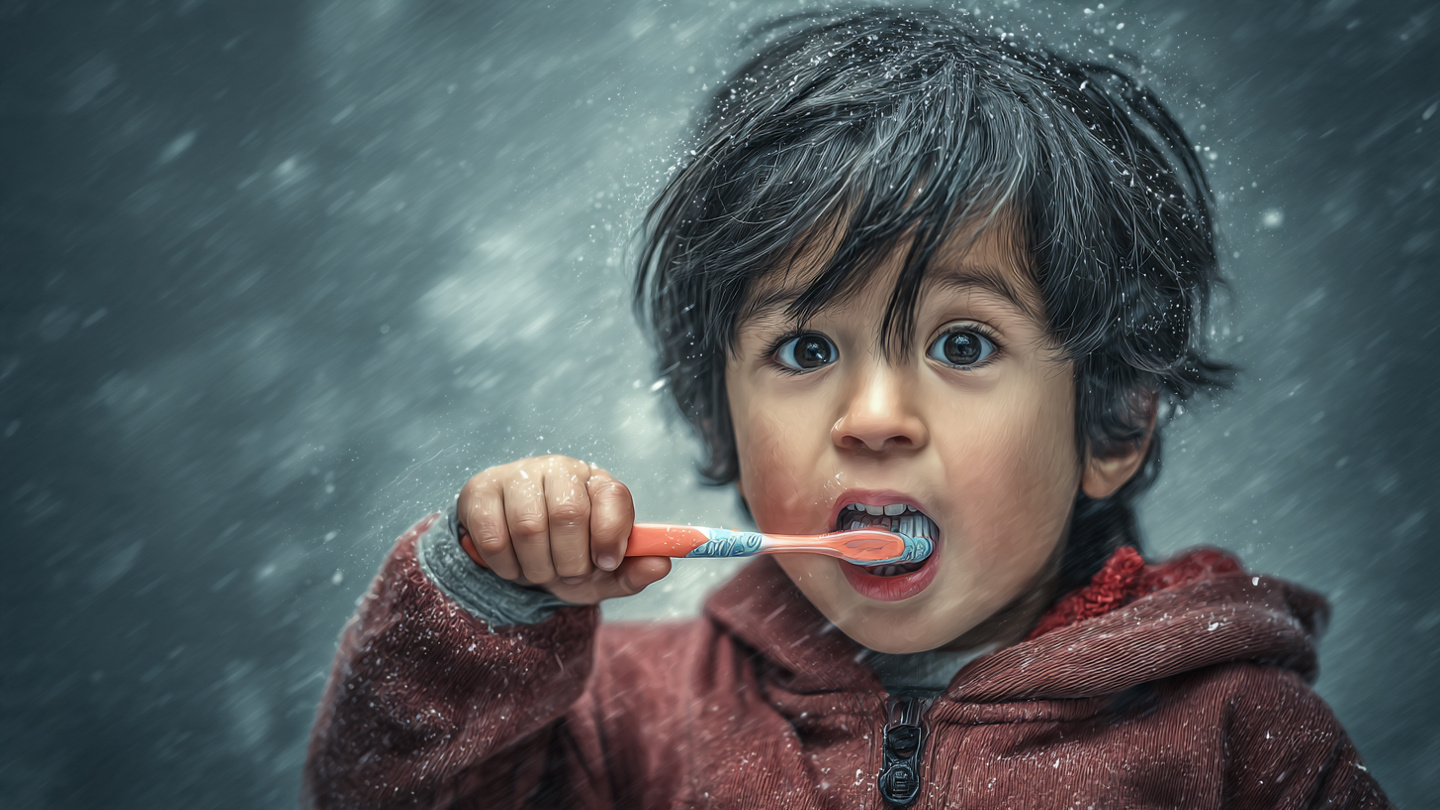
My daughter’s first tooth appeared when she was six months old. I was so excited—until I realized I had no idea when or how to start brushing it. One tiny tooth seemed too small to worry about, right? Wrong. By her first birthday, our pediatric dentist gently informed me that I should have started cleaning her mouth months earlier.
That visit was a wake-up call. I learned that dental care for kids starts way earlier than most parents realize, and those baby teeth matter more than I’d thought. Now, with two kids and years of trial and error behind me, I’ve figured out what actually works. The key? Start early, make it fun, and invest in the right tools like a U-shaped toothbrush for babies that makes the whole process easier for both parent and child.
Let me share everything I wish someone had told me when that first tooth peeked through my baby’s gums.
When to Actually Start Dental Care
Here’s what surprises most parents: dental care for kids begins before teeth even appear.
Before the first tooth (0-6 months): Clean your baby’s gums with a soft, damp cloth after feedings. I know, it seems excessive. But it removes milk residue and gets babies accustomed to mouth cleaning. I skipped this step with my first child and regretted it later when she fought tooth brushing like it was torture.
First tooth appearance (usually 4-7 months): Start brushing immediately. Don’t wait until more teeth come in. That single tooth needs care just as much as a full set. Use a tiny smear of fluoride toothpaste—about the size of a grain of rice.
By age one: Your child should have their first dental checkup. Not when they’re three or when something hurts. At one year old. I missed this with my son and ended up dealing with early cavities that could have been prevented.
Ages 1-3: Continue twice-daily brushing with rice-sized fluoride toothpaste. Around age two, you can increase to a pea-sized amount once they can spit reliably.
Ages 3+: Establish a solid routine of brushing twice daily for two minutes each time, with proper technique and supervision until they’re at least 7-8 years old.
The American Academy of Pediatric Dentistry is clear on this: start early, be consistent, and don’t assume baby teeth don’t matter. They do.
Why Baby Teeth Actually Matter
I used to think baby teeth were basically placeholders. They fall out anyway, so why stress about them? Turns out, I was completely wrong.
Baby teeth serve critical functions. They hold space for permanent teeth. If baby teeth decay and fall out prematurely, permanent teeth can grow in crooked, requiring expensive orthodontic work later. My neighbor’s daughter lost a baby molar to decay at age four. The permanent tooth came in sideways, requiring braces for three years. All preventable with proper dental care.
They’re essential for eating and nutrition. Kids with tooth pain avoid crunchy fruits and vegetables, leading to poor nutrition. My nephew had cavities that made chewing painful, so he only wanted soft, processed foods. His diet suffered, and so did his overall health.
Baby teeth affect speech development. Try saying “th” or “s” sounds without front teeth. Kids learning to talk need their teeth in place to form sounds correctly.
And here’s something I never considered: dental pain affects everything. Sleep, behavior, school performance, mood—all suffer when kids have toothaches. Prevention is infinitely easier than treatment.
Age-Appropriate Brushing Techniques
Different ages require different approaches. What works for a one-year-old fails miserably with a five-year-old.
Babies (6 months – 2 years):
Keep it simple and quick. Babies won’t tolerate long brushing sessions, and that’s okay. Focus on wiping all visible tooth surfaces, front and back. Don’t worry about perfection—consistency matters more.
Lay baby on your lap, head tilted back. This position gives you better visibility and control. I used to try brushing my daughter standing up. Disaster. The lap method changed everything.
Use an ultra-soft brush designed for babies. Regular toothbrushes are too harsh for delicate gums. Gentle circular motions on teeth, soft strokes on gums. The whole process takes maybe 30 seconds at this age.
Make it a calm, pleasant experience. Sing a song, make silly faces, whatever keeps them relaxed. Forcing it creates lifelong negative associations with brushing.
Toddlers (2-4 years):
Let them “help” while you do the real work. Hand them a toothbrush to hold while you use another one to actually clean their teeth. They feel involved, you maintain control. This trick saved my sanity during the terrible twos.
Brush in front of a mirror. Kids this age love watching themselves. My son would make faces at himself while I brushed, completely distracted from any discomfort.
Use the “Elmo voice” technique—narrate what you’re doing in a character voice. “Elmo is cleaning your top teeth! Now Elmo is getting the bottom teeth!” Ridiculous? Yes. Effective? Absolutely.
Count to ten while brushing each section. It gives structure and helps you ensure adequate coverage. Plus, kids this age are learning numbers anyway.
Preschoolers (4-6 years):
Start teaching proper technique while still supervising closely. Show them the circular motions, explain reaching all surfaces, demonstrate on yourself first.
Introduce the timer concept. Two minutes feels eternal to kids. Use a sand timer, phone timer, or even a two-minute song. We used the “Baby Shark” song until I couldn’t stand it anymore, then switched to a brushing app with a timer.
Let them brush first, then you “check” and finish. This builds independence while ensuring teeth actually get clean. My daughter thinks she’s doing all the work. I know I’m fixing the spots she missed.
Create a chart with stickers for successful brushing sessions. Tangible rewards motivate this age group effectively. Twenty stickers earned a small toy from our “treasure box.”
School-age (6+ years):
Gradually transition to independence, but keep supervising. Most kids can’t brush adequately on their own until age 7 or 8. I made the mistake of letting my son brush unsupervised at six. His next dental checkup revealed multiple cavities. Lesson learned.
Teach them to brush their tongue. Bacteria accumulate there, causing bad breath. This becomes more important as kids get older and become socially aware.
Explain the “why” behind dental care. Kids this age understand consequences. I showed my kids pictures of cavities online (mild ones, not nightmare fuel). They’ve been more diligent ever since.
Making Brushing Actually Fun
Let’s be honest—kids don’t naturally love brushing teeth. You’ve got to make it enjoyable, or every session becomes a battle.
Choose fun toothbrushes together. Let kids pick their own toothbrushes featuring favorite characters. My daughter’s Frozen toothbrush made her excited to brush. My son needed three different Batman brushes before finding “the right one.” Whatever works.
Create a brushing playlist. Dedicate two minutes of their favorite songs to brushing time. We have a “Tooth Time Playlist” on Spotify. The music makes it feel less like a chore and more like a dance party.
Brush together as a family. Kids imitate. When they see you brushing alongside them, it normalizes the routine. We all brush together before bed. It’s become genuine bonding time.
Use apps with games and rewards. Several free apps turn brushing into a game. Characters guide kids through proper technique while earning points. My kids actually ask to brush when they want more game points.
Tell stories about “sugar bugs.” Make dental care adventurous. “We’re fighting the sugar bugs! Quick, brush them away before they build houses on your teeth!” Simple narratives engage young imaginations.
Flavored toothpaste can help. If mint is too strong, try bubblegum, strawberry, or orange flavors. My daughter gagged on mint until we switched to strawberry. Problem solved.
Offer choices within boundaries. “Do you want to brush top teeth or bottom teeth first?” They feel control, you maintain the requirement. Win-win.
Common Dental Care Mistakes Parents Make
I’ve made most of these errors myself. Learn from my mistakes.
Waiting too long to start. By the time parents think about dental care, kids have already developed resistance to mouth cleaning. Start early, before they can protest.
Using too much toothpaste. More isn’t better. Excess fluoride can cause fluorosis, creating white spots on permanent teeth. Stick to recommended amounts: rice grain-sized for babies, pea-sized for older kids.
Letting kids brush alone too soon. Kids lack the dexterity and attention span for thorough brushing until at least age 7-8. They’ll claim they can do it themselves. They’re wrong. Supervise.
Ignoring flossing. Once teeth touch, floss between them. Most parents skip this. I did too. Then my son got cavities between his teeth that brushing couldn’t have prevented. Now we floss daily.
Inconsistent routines. Skipping bedtime brushing when you’re tired or traveling creates gaps in protection. Consistency matters more than perfection. Even when we’re exhausted, we brush.
Using brushing as punishment. “If you don’t behave, you’re going straight to brush teeth!” Now brushing is the bad thing. Never do this.
Sharing toothbrushes. Bacteria transfer happens. Each child needs their own brush, and siblings shouldn’t share. Seems obvious, but I’ve seen it happen.
Dealing With Brushing Resistance
Even with all the tricks, some kids still fight tooth brushing. Here’s what actually works when they resist.
Stay calm and consistent. Getting frustrated escalates the situation. Breathe deeply, remain patient, and maintain the expectation. We brush teeth. Non-negotiable.
Offer empathy while maintaining boundaries. “I know you don’t want to brush right now. Brushing isn’t always fun. But we do it anyway to keep your teeth healthy and strong.”
Use distraction strategically. Give them something to hold—a small toy, a book, even your phone to look at (I’m not proud, but it works). While they’re occupied, quickly brush their teeth.
Make it quick when necessary. Some nights, you’ll get 30 seconds instead of two minutes. That’s okay. Imperfect brushing beats no brushing.
Never force violently. Holding kids down creates trauma and makes future brushing worse. If they’re genuinely hysterical, wait five minutes and try again with a different approach.
Identify and address fears. Sometimes kids resist because something hurts. Check for sores, loose teeth, or sensitivity. Address the root cause rather than powering through.
What About Dentist Visits?
Regular dental checkups are essential dental care for kids, but they can be intimidating.
Start at age one. Early visits prevent problems and normalize dental offices. My son’s first cavity could have been caught earlier with regular checkups.
Choose a pediatric dentist. They specialize in kids, have child-friendly offices, and understand developmental stages. The difference in approach compared to general dentists is night and day.
Prepare but don’t over-explain. “We’re going to have the dentist count your teeth and make them sparkle!” Simple, positive explanation. Don’t mention pain, shots, or drilling unless necessary.
Stay calm yourself. Kids sense parental anxiety. If you’re nervous about the dentist, they will be too. Act like it’s a fun, normal outing.
Bring comfort items. Favorite stuffed animal, blanket, or toy can help during appointments. My daughter brings her teddy to every visit.
Reward after, not before. “If you’re good, you’ll get ice cream” sets up failure. Instead: “After the dentist, we’ll go to the park!” Activity rewards beat food rewards.
The Bottom Line on Kids’ Dental Care
Dental care for kids doesn’t have to be a daily battle. Start early—even before teeth appear. Be consistent with twice-daily brushing. Make it fun with songs, games, characters, and family participation. Supervise longer than you think necessary.
Those baby teeth matter more than you’d expect. They’re placeholders for permanent teeth, essential for eating and speech, and important for your child’s overall health and wellbeing.
I’ve learned through mistakes, countless brushing battles, and too many dental bills that prevention is infinitely easier than treatment. The few minutes daily spent on proper dental care saves hours in the dentist’s chair and thousands of rupees in dental work.
My kids still don’t love brushing. But they do it without major protest, understand why it matters, and have healthy teeth because we started early and stayed consistent.
Start tonight. Even if your child is older and you feel like you’ve missed the window—you haven’t. Better late than never. Their future smile will thank you.
References:
- American Academy of Pediatric Dentistry (AAPD). “Policy on Early Childhood Caries.”
- American Dental Association (ADA). “Oral Health Topics: Toothbrushes.”
- Centers for Disease Control and Prevention (CDC). “Children’s Oral Health.”







Yo, PH333PHCasino is my go-to spot! Always a good time and the games are fire. Check it out ph333phcasino.