
- Empty cart.
- Continue Shopping

Best Camera Drone for Kids in Pakistan: A Parent’s Guide to Safe and Fun Flying
- Posted on
 azharmehmood96@gmail
- 1
- Categories: Blog

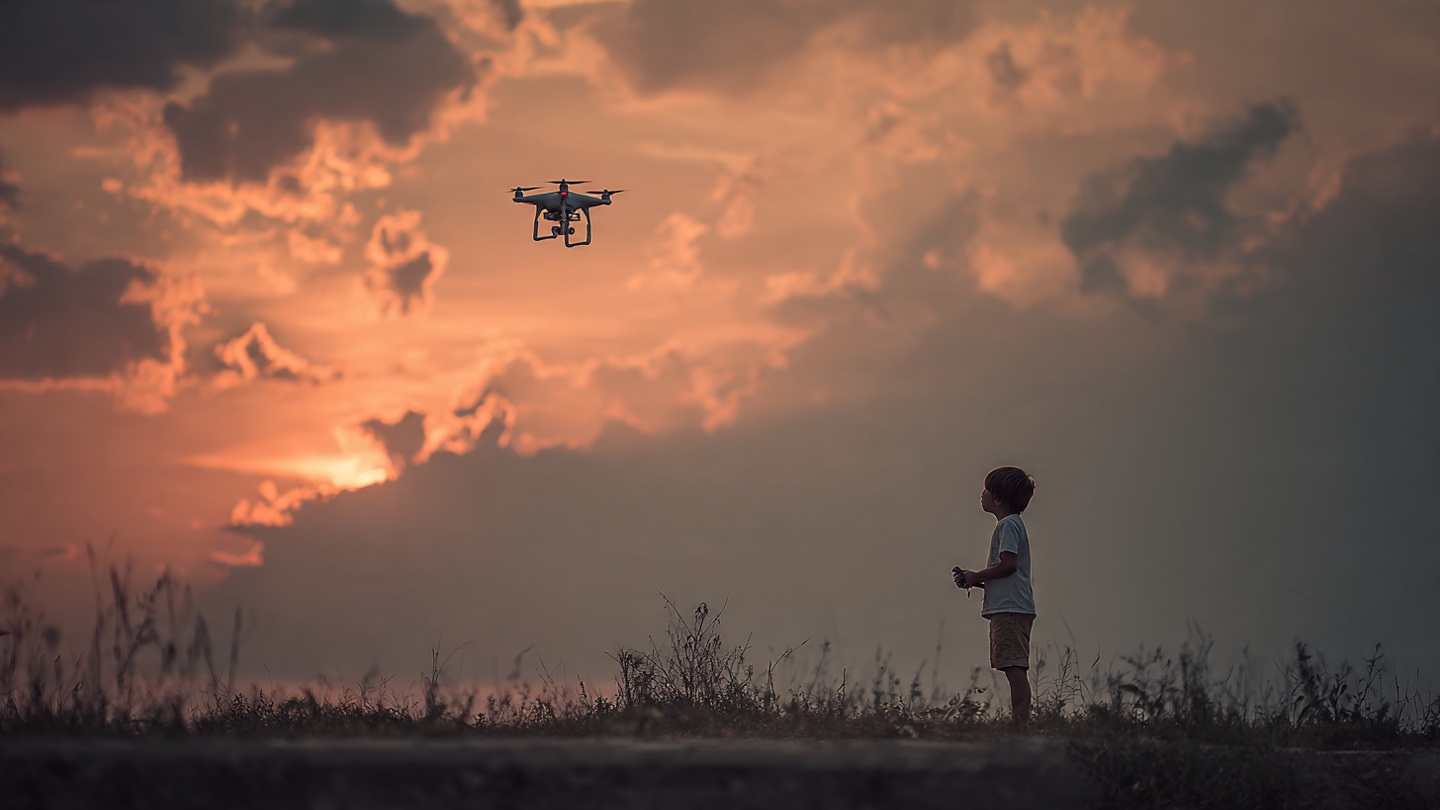
My son begged me for a drone for six months straight. Every birthday wish, every Eid request, every random Tuesday afternoon—”Baba, can I please get a drone?” I hesitated because, honestly, I pictured broken windows, lost drones on rooftops, and expensive crashes within the first week.
Then I did my research and discovered that drones designed specifically for kids are actually amazing learning tools. They teach hand-eye coordination, spatial awareness, and basic physics. Plus, the pure joy on my son’s face when he finally flew his P23 Pro Drone with Camera for the first time? Absolutely worth it.
If you’re considering getting a drone for kids in Pakistan, this guide will help you make a smart choice without the expensive mistakes I almost made.
Why Drones Are Actually Great for Kids
Before we dive into which drone to buy, let’s talk about why you should consider one in the first place.
Drones aren’t just toys—they’re educational gadgets disguised as fun. When kids learn to fly drones, they’re actually developing serious skills. Hand-eye coordination improves dramatically as they learn to control movement in three-dimensional space. My son went from crashing into walls every thirty seconds to smoothly maneuvering around obstacles within a week.
They also teach responsibility. A drone requires care, charging, proper storage, and respect for safety rules. Kids learn quickly that careless flying means broken propellers and grounded drones.
The photography aspect adds another layer. Kids with camera drones discover composition, angles, and perspective. My nephew started taking aerial photos of our neighborhood and became genuinely interested in photography. Now he wants a proper camera for his next birthday.
And in Pakistan’s outdoor-loving culture, drones give kids another reason to play outside instead of being glued to screens indoors. Ironic, I know—using technology to reduce screen time—but it works.
Understanding Drone for Kids in Pakistan: What Makes Them Different
Not all drones are created equal, and adult drones are definitely not suitable for children. Here’s what sets kids’ drones apart.
Size and weight matter. Drones for kids are smaller and lighter, which makes them less intimidating and easier to control. They’re also less likely to cause injury if they accidentally bump into someone. My friend bought his son a heavy adult drone as a first drone—big mistake. The kid couldn’t control it properly, crashed it into their car, and put a small dent in the hood. Expensive lesson learned.
Durability is key. Kids crash drones. A lot. Especially when learning. Quality kids’ drones have protective propeller guards and durable materials that survive multiple crashes. We’ve crashed our drone at least twenty times, and it still flies perfectly.
Simple controls designed for smaller hands and developing motor skills make learning less frustrating. Complex professional drones with dozens of buttons overwhelm young pilots. Kid-friendly models keep controls intuitive.
Safety features like auto-hover, one-key takeoff and landing, and altitude hold help prevent accidents. These features let kids focus on learning directional control without worrying about keeping the drone airborne.
Price point reflects that kids will probably crash, lose, or break their first drone. Spending 50,000 rupees on a beginner’s drone makes no sense. Quality kids’ drones cost 5,000-15,000 rupees—affordable enough that a crash won’t break the bank.
Age-Appropriate Drone Selection
Choosing the right drone for kids in Pakistan starts with considering your child’s age and maturity level.
Ages 6-8: Simple, Durable
Young kids need basic drones focused on learning flight controls. Complex features distract from mastering the fundamentals. Look for:
- Lightweight, fully protected propellers
- Simple two or three-button controls
- Short flight times (5-7 minutes is fine for short attention spans)
- Bright colors for easy visibility
- Indoor/outdoor capability
At this age, cameras add unnecessary cost. They’ll crash too much to make photography worthwhile anyway.
Ages 9-12: Entry-Level Camera Drones
This age group has better coordination and longer attention spans. They’re ready for camera drones that add creativity to flying. Features to prioritize:
- 720p or 1080p camera (4K is overkill for beginners)
- 10-15 minute flight time
- FPV capability (seeing what the drone sees)
- Headless mode (easier directional control)
- Basic obstacle avoidance
The S26 Pro Drone with Camera hits this sweet spot perfectly. It’s got enough features to keep kids engaged but isn’t so complex that they’ll struggle with controls.
Ages 13+: Advanced Features
Teenagers can handle more sophisticated drones with better cameras and advanced features:
- 4K camera capability
- Longer flight times (20+ minutes)
- GPS positioning
- Follow-me modes
- Programmable flight paths
- Better range
At this age, they’re often genuinely interested in aerial photography or videography as hobbies, making the investment in better equipment worthwhile.
Essential Safety Rules for Flying Drones in Pakistan
Safety isn’t optional. Before your kid’s first flight, establish clear rules.
Never fly near people. This is non-negotiable. Drones can cause injuries, especially to eyes. We have a rule: if people are within 10 meters, the drone stays grounded.
Respect privacy. Don’t fly over neighbors’ houses or yards. This is basic courtesy and also prevents angry neighbors from calling the police. Pakistan doesn’t have extensive drone regulations yet, but privacy laws still apply.
Avoid airports and restricted areas. Obviously don’t fly near airports, but also stay away from government buildings, military installations, and mosques during prayer times. Common sense goes a long way.
Check weather conditions. Wind is a drone’s enemy. We learned this the hard way when a gust carried our drone two houses away. Luckily, our neighbor was understanding and returned it. Now we only fly on calm days.
Maintain visual contact. Kids want to fly their drones as far as possible. Don’t let them. If you can’t see the drone clearly, you can’t control it safely. We’ve set a 50-meter maximum distance rule.
Charge batteries properly. Overcharged or damaged batteries can be dangerous. Always supervise charging, never leave batteries charging overnight, and replace damaged ones immediately.
Create a designated flying zone. We use a local park with open space. Having a familiar flying area helps kids learn in a controlled environment before venturing to new locations.
What to Look for in a Kids’ Camera Drone
When shopping for drones, certain features separate good options from great ones.
Camera quality doesn’t need to be professional-grade. 720p works fine for beginners. 1080p is better for kids serious about photography. 4K is nice but not necessary unless they’re teenagers passionate about videography.
Flight time typically ranges from 10-20 minutes per battery. Shorter times frustrate kids, so aim for at least 12 minutes. Pro tip: buy extra batteries. Nothing’s worse than a 15-minute flight time followed by a 90-minute charging wait.
Control range should be at least 50-80 meters for outdoor fun. Less than that feels limiting. More than 100 meters is unnecessary for kids and increases the chance of losing the drone.
FPV capability lets kids see what the camera sees in real-time on the controller or phone app. This feature massively increases engagement and helps with photography composition.
One-key return is a lifesaver when kids lose orientation or the drone flies too far. Press one button, and it automatically returns to the takeoff point. This feature has saved our drone multiple times.
Propeller guards protect both the drone and whatever it crashes into. Non-negotiable for beginners.
App connectivity allows phone-based control and access to photos/videos. Most modern kids’ drones offer this. It’s fun and adds functionality, but ensure the app actually works well—read reviews mentioning this specifically.
Common Mistakes Parents Make
Let me save you from errors I’ve witnessed or experienced firsthand.
Buying too advanced too soon. I know a parent who bought an expensive DJI drone for his 10-year-old’s first drone. The kid crashed it within two days, causing significant damage. Start simple. Upgrade later when they’ve proven responsibility.
Skipping the instruction manual. Kids want to fly immediately. Parents let them. Then they wonder why the drone won’t calibrate or behaves erratically. Spend 20 minutes reading instructions together. It saves hours of frustration.
Flying indoors first-time. Outdoor spaces are more forgiving. Indoor crashes mean broken vases and angry spouses. Start outside in open areas.
Not practicing hovering. Kids want to zoom around immediately. Make them master hovering in place first. Once they can hover steadily for 30 seconds, directional movement becomes much easier.
Forgetting spare parts. Propellers break. It’s inevitable. Order spare propellers and batteries when you buy the drone. Nothing’s worse than a grounded drone waiting two weeks for replacement parts to arrive.
Ignoring wind warnings. If tree branches are swaying, it’s too windy for beginner pilots. Period.
Making the Most of Your Drone Investment
A drone is more than just a toy if you approach it right.
Create challenges and goals. We set up obstacle courses using hula hoops and cones. My son has to fly through specific paths without crashing. It’s amazing practice and genuinely fun.
Join online communities. Facebook groups for Pakistani drone enthusiasts provide tips, tricks, and local flying spot recommendations. The community is surprisingly helpful and welcoming to beginners.
Start a photo project. Challenge kids to photograph specific things from above—your house, local parks, interesting patterns. It transforms random flying into purposeful creativity.
Learn together. Don’t just hand them the drone and walk away. Fly together. My son and I take turns, and it’s become genuine bonding time.
Document progression. Save early videos of crashes and wobbly flights. Months later, watching improvement is incredibly satisfying for kids and builds confidence.
Set up a maintenance routine. Clean the drone after each use. Check propellers. Organize batteries. This teaches responsibility and extends the drone’s lifespan.
The Weather Factor in Pakistan
Pakistan’s weather significantly impacts when and how you can fly drones.
Summer heat drains batteries faster. Early morning or late evening flights work better during May-August. We avoid afternoon flights when temperatures exceed 40°C.
Monsoon season means unpredictable winds and rain. July-August drone flying is minimal for us. We don’t risk it.
Winter months (November-February) are actually ideal for flying. Calm winds, comfortable temperatures, clear skies—perfect conditions for learning.
Spring winds in March-April can be challenging. Check conditions before each flight.
Where to Fly in Pakistan
Finding good flying spots takes some exploration.
Local parks with open spaces are ideal. We use a nearby neighborhood park early Saturday mornings when it’s less crowded.
School playgrounds (with permission during off-hours) offer controlled environments.
Rooftops work if you have access to safe, large rooftops away from obstacles and other buildings.
Beaches in coastal cities provide excellent open spaces, though watch for wind.
Avoid: Crowded areas, near power lines, residential neighborhoods (privacy concerns), and anywhere with lots of trees (drone-eating monsters).
The Bottom Line
Getting a drone for kids in Pakistan can be an incredibly rewarding decision. It’s not just about the fun (though there’s plenty of that). It’s about developing skills, encouraging outdoor play, teaching responsibility, and creating opportunities for creative expression.
Start with an age-appropriate model, establish clear safety rules, and be patient through the learning curve. Those first few flights will be wobbly and crash-prone. That’s completely normal.
My son has been flying his drone for eight months now. He’s crashed it, lost it temporarily (found it in a tree), broken propellers, and drained countless batteries. But he’s also taken stunning photos, made friends with other young pilots at the park, and developed a genuine interest in both aviation and photography.
The confidence he’s gained from mastering a complex skill is worth far more than what we paid for the drone. And watching him successfully land after a tricky flight path brings that same proud parent feeling as watching him score a goal or ace a test.
So yes, get your kid a drone. Just do your research, set boundaries, and prepare for the crashes. They’re part of the learning process, and honestly, sometimes they’re pretty funny.
Happy flying!
References:
- Civil Aviation Authority Pakistan. “Drone Regulations and Guidelines.“
- Pakistan Telecommunication Authority. “Drone Usage Policies.“
- International Drone Association. “Best Practices for Young Pilots.“







Heard good things about Juegabet and finally gave it a shot. Not disappointed! Simple to use and the bonuses are actually useful. Worth a look for sure. juegabet