- Empty cart.
- Continue Shopping

Educational Toys for Kids Development: How the Right Playthings Boost Growth
- Posted on
 azharmehmood96@gmail
- 0
- Categories: Blog

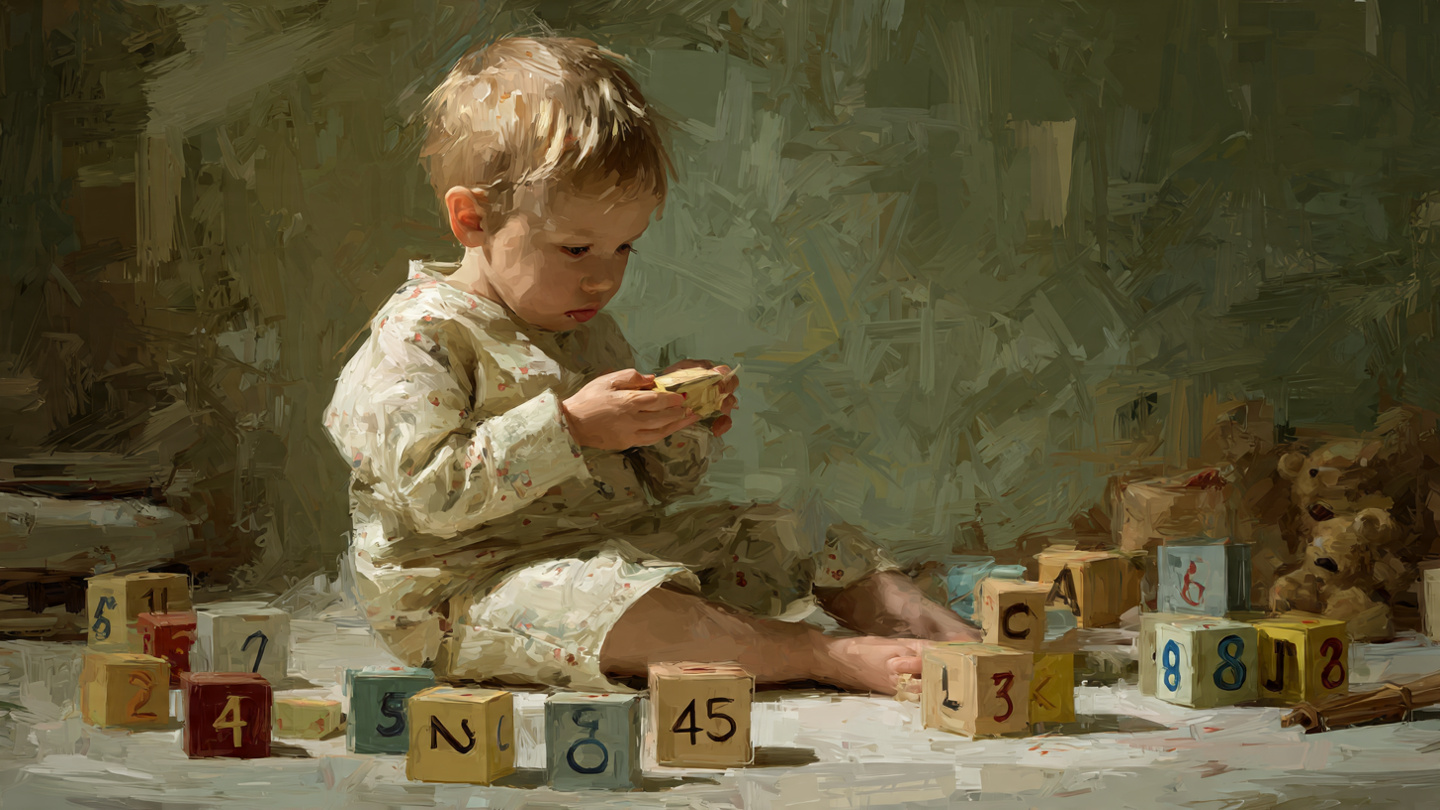
I’ll never forget the moment my daughter built her first tower with wooden blocks. She was eighteen months old, tongue poking out in concentration, carefully stacking each piece. When it toppled, instead of crying, she laughed and started again. That simple toy taught her persistence, spatial awareness, and problem-solving—all before she could speak in full sentences.
This experience opened my eyes to the powerful impact of educational toys for kids development. They’re not just playthings; they’re tools that shape young minds during the most critical learning years. Research from the American Academy of Pediatrics confirms that play-based learning significantly impacts early childhood development, building neural pathways that last a lifetime.
But here’s the challenge: walk into any toy store, and you’re bombarded with products claiming to make your child smarter. How do you know which learning toys actually deliver? Let’s explore how the right educational toys genuinely boost your child’s development.
Understanding Educational Toys for Kids Development
Not every toy marketed as educational actually promotes learning. Real educational toys for kids development share specific characteristics that set them apart from mere entertainment.
True learning toys:
- Encourage active participation rather than passive watching
- Grow with your child across developmental stages
- Promote open-ended play without a single “right” way to use them
- Engage multiple senses simultaneously
- Challenge children just beyond their current skill level
My son’s set of magnetic tiles perfectly demonstrates this. At two, he sorted them by color. At three, he built simple structures. Now at five, he creates elaborate 3D buildings and understands basic geometry concepts. That’s the mark of quality educational toys—they evolve with your child.
The Science Behind Educational Toys and Brain Development

During early childhood development, a child’s brain forms over one million neural connections every second. The experiences they have during these formative years literally shape their brain architecture.
Educational toys stimulate this growth by:
Cognitive Skills Enhancement: Puzzles, sorting games, and memory matching toys strengthen problem-solving abilities and logical thinking. When my nephew struggled with a shape sorter at 18 months, he was learning spatial reasoning and cause-and-effect relationships.
Motor Skills Development: Building blocks, threading beads, and play-dough develop fine motor skills essential for writing. Large ride-on toys and balance boards build gross motor skills and coordination.
Language and Communication: Storytelling toys, picture books, and pretend play sets expand vocabulary and narrative skills. Children learn to express ideas and understand others’ perspectives.
Social-Emotional Growth: Cooperative board games and role-play toys teach sharing, patience, and empathy. These soft skills prove just as important as academic abilities.
STEM Toys: Building Tomorrow’s Innovators

STEM toys (Science, Technology, Engineering, and Mathematics) have exploded in popularity—and for good reason. Early exposure to STEM concepts through play creates confidence in subjects many children later fear.
Quality STEM toys for different ages include:
Ages 2-4:
- Simple building sets that introduce engineering basics
- Magnetic construction toys
- Water and sand play stations for early physics exploration
Ages 5-7:
- Beginner robotics kits
- Basic coding toys
- Science experiment sets designed for young learners
Ages 8+:
- Advanced building systems
- Electronic circuit kits
- Programming robots
What I love about STEM toys is they disguise learning as fun. My daughter doesn’t know she’s learning engineering principles when she builds a marble run—she just knows it’s exciting to make the marble zoom through her creation.
Montessori Toys: The Power of Purposeful Play

Montessori toys follow specific principles developed by Dr. Maria Montessori over a century ago. These principles remain remarkably relevant for early childhood development today.
Authentic Montessori toys are:
- Made from natural materials like wood, metal, and fabric
- Self-correcting, allowing children to recognize mistakes independently
- Focused on real-life skills
- Beautiful and aesthetically pleasing
- Free from batteries and electronic distractions
I converted part of our playroom to Montessori-inspired learning after watching my friend’s children. The difference was striking. With fewer but higher-quality toys, my kids played longer, deeper, and more creatively. A simple wooden sorting board kept my toddler engaged for 45 minutes—longer than any flashy electronic toy ever managed.
Classic Montessori materials like practical life activities, sensory bins, and real tools scaled to child size teach independence and build confidence. When children master real skills—pouring water, buttoning clothes, hammering nails—they develop self-esteem that no cartoon character can provide.
How Learning Toys Develop Specific Skills

Cognitive Skills and Problem-Solving
Educational toys for kids development shine brightest in building cognitive abilities. Puzzles are perfect examples. Starting with simple 4-piece wooden puzzles, children progress to 100+ piece challenges. Each step strengthens:
- Visual discrimination (seeing differences)
- Memory recall
- Strategic thinking
- Patience and focus
Board games like checkers, memory matching, and simple strategy games add social elements to cognitive development. Children learn to plan ahead, consider consequences, and think from another person’s perspective.
Fine and Gross Motor Skills
Motor skills development happens through play that exercises both large and small muscle groups.
Fine Motor Development:
- Threading beads (hand-eye coordination)
- Play-dough manipulation (finger strength for writing)
- Building with blocks (precision and control)
- Drawing and coloring (pencil grip and control)
Gross Motor Development:
- Balance boards and bikes (coordination)
- Climbing structures (strength and spatial awareness)
- Ball games (hand-eye coordination)
- Dance and movement toys (rhythm and body awareness)
I noticed my daughter’s handwriting improved significantly after months of playing with lacing cards and small building sets. Her occupational therapist confirmed that these learning toys were doing exactly what expensive therapy tools would do.
Language and Communication Skills
Language development happens naturally through the right educational toys. Interactive books with textures, flaps, and sounds build vocabulary while making reading enjoyable.
Storytelling toys—puppets, dollhouses, action figures—encourage children to create narratives. When my son plays with his toy farm, I hear him developing complex storylines, practicing conversation, and experimenting with new words he’s learned.
Musical instruments deserve special mention. Beyond obvious benefits to rhythm and creativity, music toys enhance language development. Singing songs, clapping rhythms, and playing instruments strengthen the same neural pathways used for speech and reading.
Age-Specific Educational Toys for Kids Development
Infants (0-12 months)
During this stage, babies explore everything through their senses. The best educational toys for kids development at this age include:
- High-contrast books for visual development
- Soft textured balls and blocks
- Simple rattles and shakers
- Mirrors (babies love seeing themselves!)
- Stacking cups
Toddlers (1-3 years)
Toddlers are active learners who need toys supporting their drive for independence:
- Shape sorters and simple puzzles
- Stacking and nesting toys
- Push and pull toys for walking confidence
- Large crayons and washable markers
- Pretend play items (toy food, dishes, dolls)
Preschoolers (3-5 years)
Preschool years are perfect for introducing more complex learning toys:
- Building sets with 20-50 pieces
- Basic board games
- Art supplies variety
- Early STEM toys like simple machines
- Dress-up clothes and role-play sets
School-Age (6+ years)
Older children benefit from challenges that stretch their growing abilities:
- Advanced building systems
- Strategy board games
- Science kits and experiment sets
- Craft projects requiring multiple steps
- Educational activity books that combine fun with learning
Common Questions Parents Ask
Q: How many educational toys does my child need?
Quality trumps quantity every time. Research shows children play more creatively with fewer, well-chosen toys. I rotate our toy selection monthly, keeping about 10-15 toys accessible while storing others. This keeps play fresh without overwhelming my kids.
Q: Are expensive educational toys worth it?
Not always. Price doesn’t guarantee educational value. Some of the best learning toys are simple and affordable—wooden blocks, crayons, play-dough, and balls provide tremendous developmental benefits. Invest in durable, open-ended toys that grow with your child rather than trendy items they’ll outgrow quickly.
Q: Can screen-based educational toys be beneficial?
The American Academy of Pediatrics recommends limiting screen time, even for “educational” apps. Hands-on learning toys develop motor skills and real-world problem-solving that screens cannot replicate. Save tablets for occasional use, prioritizing physical toys for primary play.
Q: When should I introduce STEM toys?
Earlier than you think! Basic STEM concepts start with cause-and-effect toys for babies. By age two, children can handle simple building sets. The key is matching complexity to developmental stage, gradually introducing more challenging STEM toys as skills grow.
Making the Most of Educational Toys
Having the right toys is only half the battle. How you use them matters just as much for early childhood development.
Follow Your Child’s Lead: Don’t force play sessions. When children choose their activities, they engage more deeply and learn more effectively. My biggest mistake as a new parent was directing playtime too much. Once I stepped back, real learning happened.
Play Together: Co-playing doesn’t mean controlling. Sit nearby, show interest, ask open-ended questions. “What are you building? How did you figure that out?” This engagement multiplies learning benefits without stifling creativity.
Rotate Regularly: Too many toys creates overwhelm. Keep selections manageable and rotate every few weeks. Old toys feel new again, and you’ll notice your children playing more intentionally.
Create Learning-Rich Spaces: Organize toys by type in accessible containers. When children can independently choose and clean up their learning toys, you’re teaching organization and responsibility alongside specific skills.
The Long-Term Impact of Educational Toys for Kids Development

Research published in developmental psychology journals consistently shows that children who engage with quality educational toys for kids development during early years perform better academically later. But benefits extend beyond test scores.
These children typically demonstrate:
- Greater curiosity and love of learning
- Better problem-solving skills
- Improved social interactions
- Higher self-confidence
- Stronger creativity
I’ve watched this play out in my own home. My older son, who grew up surrounded by thoughtfully chosen learning toys, approaches new challenges with excitement rather than anxiety. He sees problems as puzzles to solve. That mindset—built through years of play with educational toys—serves him in every area of life.
Creating Your Educational Toy Strategy
You don’t need to overhaul your entire toy collection overnight. Start small:
- Audit current toys: Which ones genuinely engage your child? Which sit unused? Quality open-ended toys that encourage creativity and problem-solving deserve prime position.
- Fill developmental gaps: Notice which skills your child needs to strengthen. Struggling with fine motor skills? Add threading beads or building sets. Need language development? Invest in storytelling props and books.
- Choose multi-purpose options: The best Montessori toys and STEM toys serve multiple functions. Wooden blocks teach math, engineering, creativity, and spatial awareness simultaneously.
- Prioritize natural materials: When possible, select toys made from wood, metal, and fabric over plastic. They’re often more durable and provide richer sensory experiences for cognitive skills development.
- Think long-term: Will this toy work at different developmental stages? Open-ended learning toys like building sets, art supplies, and pretend play items offer years of value.
Conclusion: The Power of Educational Toys for Kids Development
Educational toys for kids development aren’t luxury items—they’re investments in your child’s future. The right learning toys transform playtime into powerful learning experiences that build cognitive skills, motor skills, and social-emotional abilities essential for lifelong success.
You don’t need a playroom filled with expensive gadgets. Simple, well-chosen Montessori toys, thoughtful STEM toys, and classic building materials provide everything children need for rich early childhood development. The blocks my daughter played with as a toddler now help my son understand fractions. That’s the beauty of quality educational toys—they keep giving.
Remember, the goal isn’t creating tiny geniuses. It’s nurturing curious, confident, capable children who love learning. When you choose toys intentionally, every play session becomes an opportunity for growth. And isn’t that exactly what childhood should be—joyful learning that doesn’t feel like work?
Start small, choose wisely, and watch your children flourish through the power of purposeful play.
References:
- American Academy of Pediatrics. (2018). “The Power of Play: A Pediatric Role in Enhancing Development in Young Children.” [1]
- National Association for the Education of Young Children (NAEYC). “Developmentally Appropriate Practice in Early Childhood Programs.” [2]