
Safe Toys for Kids in Pakistan: A Parent’s Complete Toy Safety Guide
- Posted on
 azharmehmood96@gmail
- 4
- Categories: Blog

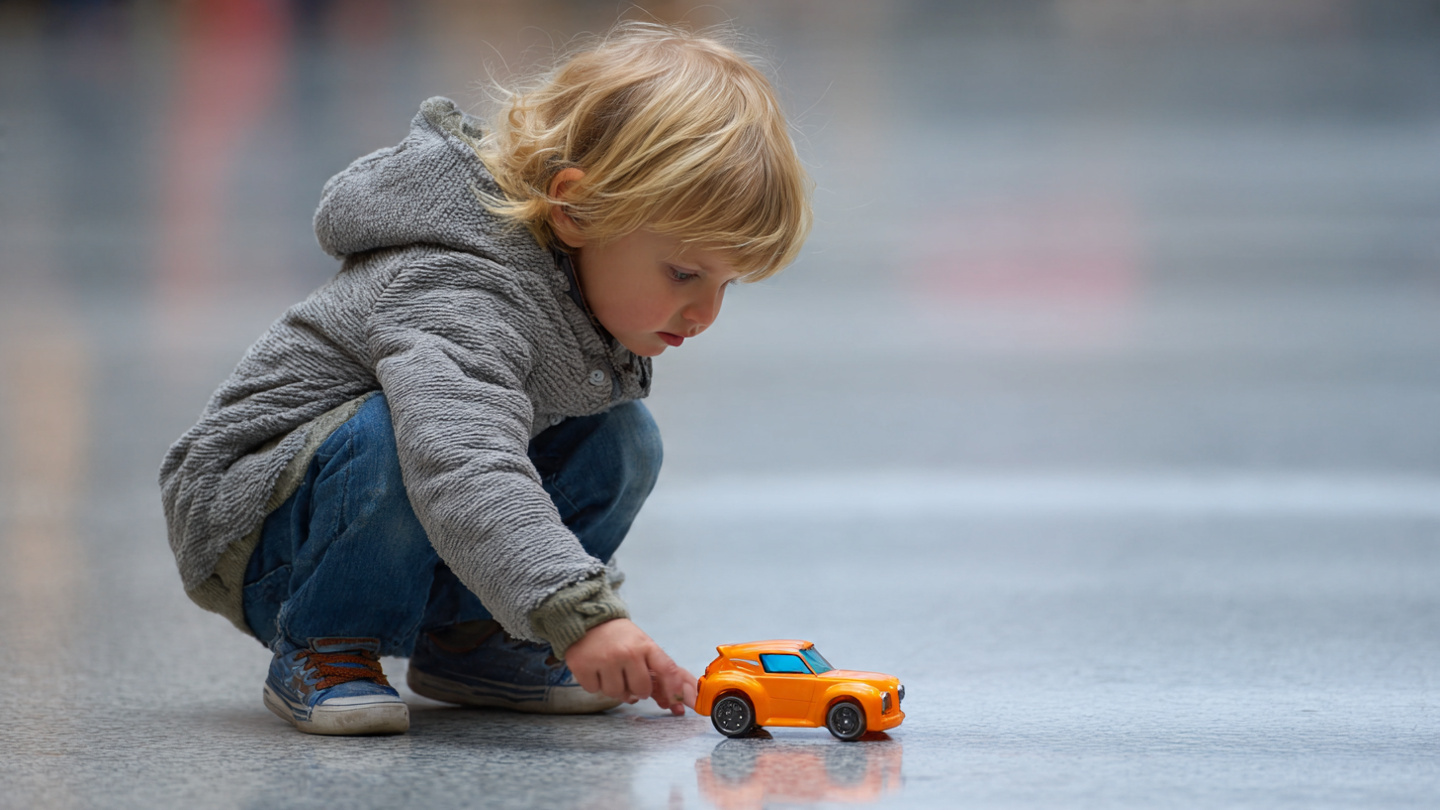
Last Eid, my neighbor rushed her three-year-old son to the emergency room. A small plastic piece from a cheap toy had lodged in his throat. The toy, purchased from a local market, had no safety labels, no age recommendations, and broke within hours of unwrapping.
This terrifying incident—thankfully with a good outcome—reflects a harsh reality for parents across Pakistan. While we want to give our children the best, navigating toy safety in Pakistan’s diverse marketplace feels overwhelming. Imported toys flood our markets, local manufacturers operate with varying standards, and counterfeit products mix freely with genuine items.
As a parent in Lahore raising two young children, I’ve spent years learning to identify safe toys for kids in Pakistan. This guide shares everything I’ve discovered about protecting our children while still bringing joy into their lives.
The Toy Safety Challenge in Pakistan
Pakistan’s toy market presents unique challenges that parents in regulated Western markets rarely face. Understanding these challenges is the first step toward making safer choices.
The Regulatory Landscape
Unlike countries with strict toy safety enforcement, Pakistan’s regulatory framework remains developing. The Pakistan Standards and Quality Control Authority (PSQCA) sets standards, but enforcement across the country’s vast informal markets proves difficult.
This means responsibility falls heavily on parents. We must become educated consumers who can:
- Identify quality products independently
- Recognize dangerous toys before purchase
- Understand international safety standards
- Navigate both formal and informal retail channels
The Import Reality
According to industry estimates, the majority of toys sold in Pakistan are imported, primarily from China. While many Chinese manufacturers produce excellent, safe products, others cut corners to reduce costs. Without proper vetting, dangerous toys enter Pakistani homes daily.
The challenge intensifies because:
- Counterfeit versions of popular brands flood markets
- Safety certifications can be faked
- Local importers may not verify quality
- Price pressure drives demand for cheapest options
Understanding Toy Safety Standards
Before we can identify safe toys for kids in Pakistan, we need to understand what “safe” actually means.
International Safety Certifications
When shopping for toys, look for these certification marks:
ASTM (American Society for Testing and Materials): The gold standard for toy safety, testing for choking hazards, toxic materials, and structural integrity.
CE (Conformité Européenne): European safety certification indicating compliance with EU toy safety directives. However, be aware that CE marks can be faked, so purchase from reputable retailers.
ISO 8124: International standard specifically for toy safety, covering mechanical, flammability, and chemical properties.
CPSC Approval: U.S. Consumer Product Safety Commission standards, among the world’s strictest.
I’ve made it my rule: if a toy lacks any recognizable safety certification, I don’t buy it, regardless of price. The few hundred rupees saved aren’t worth the risk to my children.
Pakistani Standards
PSQCA has adopted many international toy safety standards, including:
- PS 2061: General safety requirements
- PS 2062: Flammability standards
- PS 2063: Chemical safety requirements
Toys bearing the PSQCA mark have theoretically met these standards, though verification varies. When possible, combine PSQCA approval with international certifications for maximum confidence.
The Most Common Safety Hazards

Understanding specific dangers helps you spot problems before they reach your home.
Choking Hazards: The Primary Risk
Choking is the leading cause of toy-related injuries and deaths worldwide. In Pakistan, where small, cheap toys proliferate, this risk multiplies.
The toilet paper roll test: If a toy or toy part fits completely inside a standard toilet paper tube (approximately 1.75 inches diameter), it’s too small for children under three years old. I keep an empty roll in my purse for shopping trips—it’s saved us from dangerous purchases multiple times.
Particular concern items in Pakistani markets:
- Small balls and marbles
- Toy jewelry and accessories
- Cheap plastic toys that break into small pieces
- Button batteries in electronic toys
- Small magnets in building sets
My friend’s daughter once swallowed a small magnetic piece from an uncertified building toy. The magnets attracted each other through her intestinal walls, requiring emergency surgery. This happened because the toy had no age warning and broke easily.
Toxic Materials and Chemicals
Chemical safety represents perhaps the most invisible danger in Pakistan’s toy market.
Lead paint: Despite global bans, lead paint still appears on toys sold in Pakistan. Lead exposure damages developing brains permanently, causing learning disabilities and behavioral problems.
Phthalates and BPA: These hormone-disrupting chemicals appear in many plastics. They’re particularly concerning in toys babies mouth frequently.
Cadmium and other heavy metals: Used in some paints and plastics as cheap alternatives to safer materials.
The Pakistan Environmental Protection Agency (Pak-EPA) has raised concerns about chemical contamination in locally available toys, but testing and enforcement remain limited.
Sharp Edges and Points
Poorly manufactured toys often have:
- Sharp edges from crude molding
- Points that can puncture or cut
- Rough seams and burrs
- Broken pieces that create hazards
Run your fingers over every toy before purchasing. If you feel anything sharp or rough, reject it. Quality control varies dramatically, so physical inspection matters more than brand names.
Strangulation and Entanglement
Long cords, strings, and ribbons on toys pose strangulation risks, especially for infants and toddlers. Pakistan’s markets often sell:
- Pull toys with excessively long cords
- Costume jewelry with dangerous chains
- Toys with loose ribbons or decorative strings
The international safety standard limits cord length on toys to 30 centimeters. Measure before buying, and cut down any excessive lengths on toys you already own.
Age-Appropriate Toy Selection
Safe toys for kids in Pakistan start with matching toys to developmental stages.
Infants (0-12 months)
Babies explore everything with their mouths, making safety critical:
Safe choices:
- Large, soft fabric toys
- Wooden teething rings with non-toxic finish
- Rubber bath toys (single-piece, no holes where mold grows)
- Board books with rounded corners
- Large, lightweight balls
Avoid:
- Any toy smaller than 1.75 inches in any dimension
- Stuffed toys with button eyes or small parts
- Toys with ribbons, strings, or cords
- Plastic toys with strong chemical smells
- Battery-operated toys (battery compartments rarely secure in cheap versions)
Toddlers (1-3 years)
Toddlers are mobile, curious, and still mouth objects:
Safe choices:
- Large building blocks (wooden or quality plastic)
- Push and pull toys with short cords
- Simple musical instruments
- Large crayons and washable markers
- Chunky puzzles with large pieces
Avoid:
- Toys with small detachable parts
- Balloons (choking hazard when deflated or broken)
- Toys marketed for older children
- Riding toys without stable bases
- Art supplies with toxic warnings
Preschoolers (3-5 years)
Preschoolers handle more complex toys but still need supervision:
Safe choices:
- Age-appropriate building sets
- Play-dough and modeling clay
- Dress-up clothes without small buttons
- Sports equipment sized for children
- Simple board games
Avoid:
- Toys with projectiles
- Chemistry sets or science kits
- Toys requiring adult supervision without it
- Powered riding toys without proper safety features
School-Age Children (6+ years)
Older children can handle more sophisticated toys:
Safe choices:
- Advanced building systems
- Sports equipment with protective gear
- Art and craft supplies
- Educational learning toys
- Age-appropriate electronics
Avoid:
- Toys with magnets that can detach
- Chemistry sets with dangerous chemicals
- Projectile toys without eye protection
- Toys beyond their maturity level
Where to Buy Safe Toys in Pakistan
Location matters when purchasing safe toys for kids in Pakistan.
Reputable Retail Chains
Large, established retailers typically offer:
- Better quality control
- Verified suppliers
- Return policies
- Some level of accountability
Major shopping malls in Lahore, Karachi, Islamabad, and other cities house toy stores that generally stock certified products. While more expensive, the safety premium is worth it.
Online Marketplaces
Pakistan’s growing e-commerce sector offers advantages:
- Customer reviews revealing quality issues
- Easier price comparison
- Return policies
- Direct import from verified international sellers
However, exercise caution:
- Read reviews carefully, especially mentioning safety
- Check seller ratings and history
- Verify product images show safety certifications
- Understand return policies before purchasing
- Be suspicious of prices far below market rates
Local Markets and Bazaars
Traditional markets offer affordability but require extreme vigilance:
Red flags in local markets:
- No safety labels or certifications
- Strong chemical odors
- Very cheap prices suggesting compromised quality
- No packaging or product information
- Obvious counterfeits of branded toys
- Vendor unwilling to discuss safety
I’ve learned to avoid certain product categories entirely in local markets—anything with electronics, small parts, or for children under three. The risk simply outweighs the savings.
Imported Toys Through Personal Channels
Many Pakistani families have relatives abroad who send toys. While well-intentioned, ensure:
- Toys meet current safety standards (old toys may contain now-banned materials)
- Age appropriateness is verified
- Small parts haven’t detached during shipping
- Batteries are properly installed (not loose)
Material Safety: What to Choose, What to Avoid
Different materials present different safety profiles in Pakistan’s market.
Wood: Generally Safe Choice
Quality wooden toys offer excellent safety:
- Natural material without chemical additives
- Durability preventing breakage hazards
- Weight that prevents easy swallowing
- Biodegradable and environmentally friendly
Look for:
- Smooth, well-sanded surfaces
- Non-toxic, water-based finishes
- Solid construction
- Certification marks
Avoid:
- Splintered or rough wood
- Strong varnish or paint odors
- Loosely attached parts
- Uncertified imported wooden toys
Plastic: Proceed with Caution
Plastic dominates Pakistan’s toy market, making material knowledge essential:
Safer plastics:
- Hard polypropylene (PP) and polyethylene (PE)
- BPA-free labels clearly marked
- Phthalate-free certifications
- Products from recognized brands
Dangerous plastics:
- Soft, flexible plastics (often contain phthalates)
- Plastics with strong chemical smells
- Very cheap plastic that feels oily
- Unlabeled plastic products
The smell test works remarkably well. If a plastic toy has a strong odor, it’s off-gassing chemicals. Don’t buy it.
Fabric and Plush Toys
Stuffed animals and fabric toys need special consideration:
Safety checklist:
- Flame-resistant fabric (required by international standards)
- Secure seams that don’t open easily
- Eyes and noses stitched on, not glued or buttoned
- Machine washable
- No small parts that detach
In Pakistan’s markets, many plush toys fail these criteria. Import quality brands or purchase from verified retailers.
Metal Toys
Metal toys can be safe if properly manufactured:
- Avoid sharp edges
- Check for paint (lead concerns)
- Ensure rust-free materials
- Verify no small detachable parts
Traditional Pakistani metal toys (like decorative miniatures) often aren’t designed with child safety standards and should be display items only.
Recognizing Counterfeit and Dangerous Toys
Pakistan’s markets feature many counterfeit versions of popular brands. These fakes often look convincing but lack safety features.
Spotting Counterfeits
Warning signs:
- Price significantly below retail (if it seems too good to be true…)
- Spelling errors on packaging
- Poor quality printing on boxes
- Missing or poorly reproduced safety certifications
- Packaging that doesn’t match official brand packaging
- Vendor cannot provide authenticity documentation
I once nearly bought “Lego” blocks at a fraction of retail price. Closer inspection revealed “Legos” spelling, inferior plastic, and pieces that fit loosely. My children’s safety isn’t worth the discount.
The Smell and Feel Test
Trust your senses:
- Strong chemical odors indicate harmful materials
- Oily residue suggests toxic plasticizers
- Rough textures reveal poor manufacturing
- Flimsy construction means breakage hazards
Seasonal Safety Considerations
Pakistan’s seasons and festivals bring specific toy safety considerations.
Eid and Celebration Times
Eid shopping pressure often compromises judgment:
- Avoid impulse purchases from street vendors
- Don’t buy toys just because children beg
- Reject toys without safety labels
- Consider quality over quantity
One thoughtful, safe toy beats five dangerous ones. Your children deserve celebration gifts that won’t harm them.
Basant and Kite Season
While kite flying represents cultural tradition, safety concerns are real:
- Sharp metal-coated strings (dor) cause severe injuries
- Enforce rooftop safety rules
- Supervise younger children completely
- Consider safer alternative activities
Summer Toys
Water toys and outdoor equipment require special attention:
- Check inflatable toys for secure seams and safety valves
- Ensure water toys are properly sealed (mold growth inside is common)
- Verify outdoor equipment stability and weather resistance
- Always supervise water play regardless of toy type
Common Questions Pakistani Parents Ask
Q: Are imported toys always safer than local ones?
Not automatically. While some local manufacturers cut corners, others meet international standards. Similarly, cheap imported toys from unverified sources can be extremely dangerous. Focus on certifications and reputable retailers rather than origin alone.
Q: How can I afford safe toys on a limited budget?
Safety doesn’t always cost more. Simple, safe options include:
- Homemade toys from household items (supervised)
- Quality secondhand toys from trusted sources
- Few expensive toys rather than many cheap ones
- Educational materials like books and art supplies
- Natural items like rocks, shells, and sticks for creative play
Q: What should I do if I’ve already bought dangerous toys?
Remove them from children’s access immediately. Don’t pass them to other families—dispose of them safely. Consider reporting dangerous toys to PSQCA to help protect other families.
Q: Are all Chinese toys dangerous?
Absolutely not. Many world-leading toy manufacturers operate in China under strict quality control. The issue isn’t origin but quality verification. Certified Chinese toys from reputable brands are perfectly safe.
Q: How often should I inspect toys for safety?
Weekly for young children, monthly for older ones. Look for:
- Broken parts creating new hazards
- Wear revealing sharp edges
- Detaching pieces becoming choking risks
- Battery compartment integrity
- General structural soundness
Creating a Safe Play Environment
Safe toys are only part of the equation. Environment matters too.
Organization and Storage
Safety storage principles:
- Keep small-part toys separated from toddler-accessible areas
- Store toys at appropriate heights (heavy items low, light items high)
- Use clear containers to prevent injury from diving into toy boxes
- Regularly purge broken or outgrown toys
- Maintain separate storage for different age children in families
Supervision Strategies
Even safe toys require appropriate supervision:
- Infants and toddlers: Constant direct supervision
- Preschoolers: Regular check-ins and room sharing
- School-age: Periodic monitoring and clear safety rules
- All ages: Know what they’re playing with and where
Teaching Children About Safety
Empower children to protect themselves:
- Explain why certain toys are for older children
- Teach them to report broken toys immediately
- Create rules about sharing toys with younger siblings
- Model safe play behaviors
- Praise safe choices
My five-year-old now tells his younger sister “That’s for big kids” when she reaches for his small building pieces. Children understand more than we think when we explain clearly.
What to Do When Accidents Happen
Despite best efforts, accidents occur. Preparedness saves lives.
For Choking Emergencies
Know infant/child CPR and choking rescue:
- Learn proper techniques through certified training
- Keep emergency numbers easily accessible
- Don’t try to remove objects you can’t see
- Seek immediate medical attention
For Toxic Exposure
If you suspect toxic material exposure:
- Remove toy immediately
- Wash child’s hands and mouth
- Contact poison control (1203 in Pakistan)
- Bring toy packaging/photos to hospital
- Document everything for medical providers
Reporting Dangerous Toys
Help protect other families:
- Report to PSQCA
- Share information in parent groups
- Leave online reviews warning others
- Consider media notification for serious hazards
The Path Forward: Advocating for Change
Individual parent vigilance matters, but systemic change protects all Pakistani children.
Supporting Better Regulation
As consumers, we can:
- Choose certified retailers
- Demand safety documentation
- Report violations
- Support advocacy organizations
- Educate other parents
Building Community Knowledge
Share information within your circles:
- Parent WhatsApp groups
- School communities
- Family gatherings
- Social media platforms
- Neighborhood networks
When my neighbor’s child had that choking incident, she shared her experience widely. Her story has prevented similar accidents in dozens of families.
Conclusion: Protecting Pakistan’s Children Through Informed Choices
Finding safe toys for kids in Pakistan requires more effort than in countries with strict enforcement, but it’s absolutely achievable. By understanding safety standards, recognizing hazards, choosing reputable retailers, and remaining vigilant, we protect our children while still providing joyful play experiences.
The key lessons for Pakistani parents:
- Never compromise on safety certifications
- Trust your instincts about quality
- Prioritize fewer, better toys over quantity
- Educate yourself continuously
- Share knowledge with other parents
- Advocate for better standards
Our children deserve safe toys for kids in Pakistan that meet the same standards as anywhere else in the world. Until regulations catch up, parent education and careful selection remain our best defense. Every safe toy choice protects not just our own children but contributes to building a culture that values child safety above cheap convenience.
Start today. Check your children’s toys against this guide. Remove questionable items. Make your next purchase from a verified retailer. Share this information with one other parent. Small actions by many families create the change our children need.
Their safety, development, and future depend on the choices we make today.
References:
- Pakistan Standards and Quality Control Authority (PSQCA). [1]”Toy Safety Standards.”
- Consumer Product Safety Commission (CPSC). [2]”International Toy Safety Standards.”
- World Health Organization (WHO). [3]”Child Safety and Injury Prevention.”
- Pakistan Environmental Protection Agency (Pak-EPA). [4] “Chemical Safety Guidelines.”
- American Academy of Pediatrics (AAP). [5] “Toy Safety Guidelines.”



Wow, phplus is something else! I really find so many opportunities to win at this page. Check it now. There are so many options for your amusement. phplus
Pessoal, andei pesquisando sobre ‘plataforma ojwin é confiável’ e parece que sim! Dei uma olhada e não encontrei nada de estranho. Vale a pena conferir: plataforma ojwin é confiável
Okay, 02gameapk is on my radar now. Easy to download and install, plus there are loads of games. Worth trying if you need a quick gaming fix: 02gameapk
Alright gamers, 7f777gameapk is where it’s at for mobile fun. Downloaded the app and have been hooked since. Easy to use and the games are pretty dope. Check out 7f777gameapk if you’re bored, you won’t regret it.