
- Empty cart.
- Continue Shopping

Winter Health Tips for Kids: Prevent Cold and Flu This Season
- Posted on
 azharmehmood96@gmail
- 1
- Categories: Blog

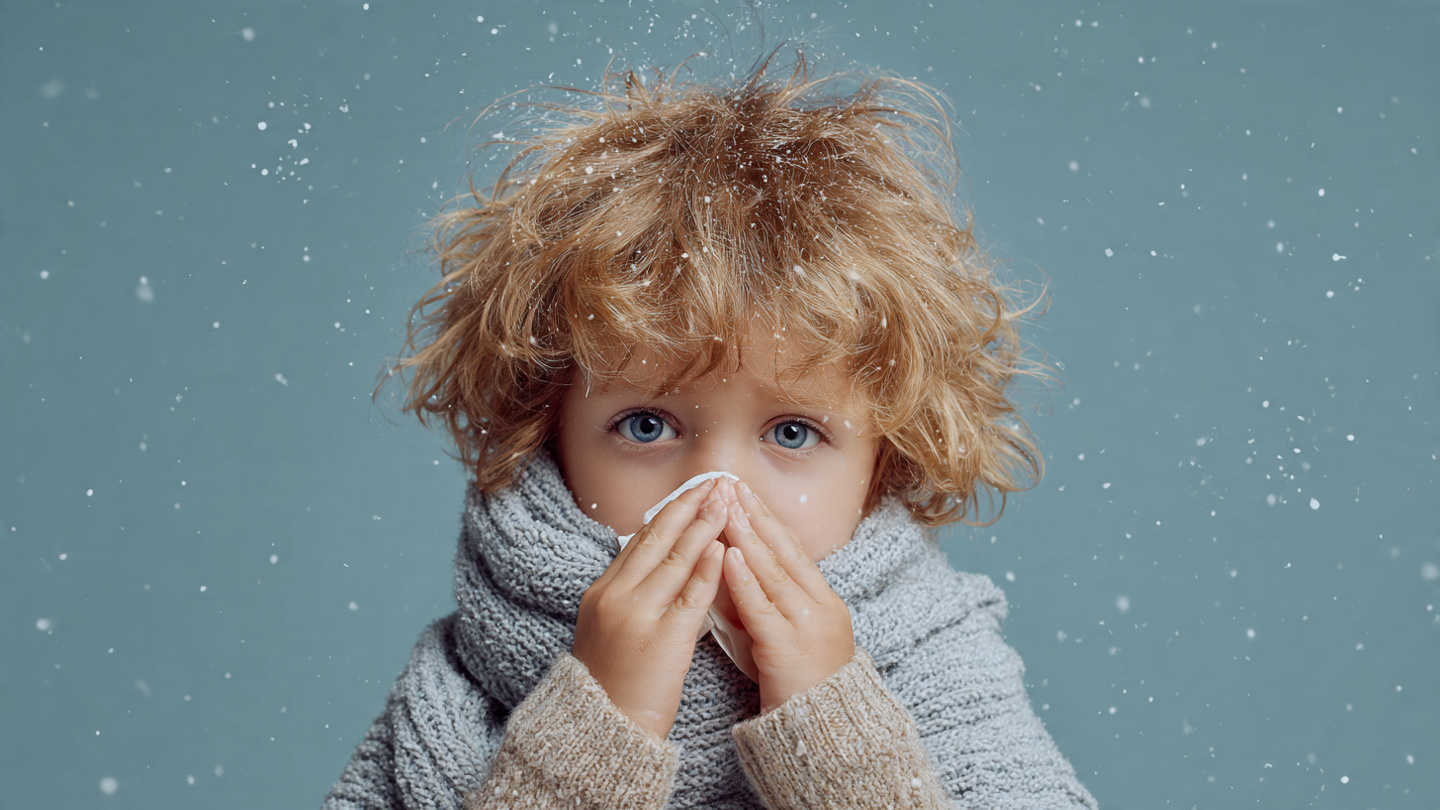
Last winter, my daughter caught three colds in two months. Three! Each time meant missed school days, sleepless nights, and that helpless feeling every parent knows when their child is miserable and there’s not much you can do about it.
This year, I decided enough was enough. I researched everything I could find about winter health tips for kids, talked to our pediatrician, and learned from other parents who seemed to magically keep their children healthy all season. The difference has been night and day.
We’re halfway through winter now, and my kids have been remarkably healthy. No major illnesses. Just minor sniffles that cleared up quickly. It’s not luck—it’s strategy. And I’m going to share every single thing that’s worked for us.
Understanding Winter Illness in Kids
Here’s what most parents don’t realize: kids don’t get sick because it’s cold outside. They get sick because winter creates perfect conditions for viruses to spread like wildfire.
Think about it. School classrooms with closed windows. Kids huddled together indoors instead of spread out in parks. Dry air that dries out protective mucus membranes in noses and throats. Less sunlight means less vitamin D production. Add in the fact that kids touch everything and then touch their faces approximately 847 times per hour, and you’ve got a viral paradise.
The common cold alone has over 200 different virus strains. The flu adds several more. Your child’s immune system is still learning to recognize and fight these invaders. That’s why young kids can get sick six to eight times per winter—and that’s actually normal, though absolutely exhausting for parents.
But normal doesn’t mean inevitable. With the right winter health tips for kids, you can significantly reduce how often and how severely your children get sick.
The Handwashing Game-Changer
I know, I know. Everyone says wash your hands. But here’s the thing—most kids don’t actually wash their hands properly. They run water over them for three seconds and call it done.
Last year, I watched my son “wash” his hands before dinner. Water on, water off, total time maybe four seconds. No soap. No scrubbing. Basically just wetting his hands and drying them. When I realized this was his standard procedure, I understood why he kept getting sick.
We completely revamped our handwashing approach. Now it’s a proper 20-second scrub with soap, singing the alphabet song while they wash. I teach them to scrub between fingers, under nails, and around wrists. Game changer.
The key times for handwashing:
- Immediately after coming home from school
- Before every meal and snack
- After using the bathroom
- After coughing, sneezing, or blowing their nose
- After playing with shared toys
- After touching pets
I installed a fun soap dispenser that makes bubbles and plays music. Sounds silly, but it transformed handwashing from a chore into something my kids actually remember to do. Whatever works, right?
Nutrition That Actually Boosts Immunity
Let’s talk food. Not the “eat your vegetables” lecture kids tune out, but actual immune-supporting nutrition that makes a difference.
Vitamin C isn’t magic, but it helps. I upped our citrus fruit game—oranges, kinnos, and grapefruits became daily snacks instead of occasional treats. Fresh squeezed orange juice for breakfast. Kinnos in their lunch boxes. The vitamin C won’t prevent colds, but it might shorten their duration and severity.
Protein builds immune cells. Kids need protein to manufacture antibodies and immune cells. We added eggs at breakfast most days, chicken or lentils at dinner, yogurt as snacks. My pediatrician said consistent protein intake matters more than most parents realize.
Zinc is underrated. Foods rich in zinc—like nuts, seeds, beans, and whole grains—support immune function. I started making homemade trail mix with almonds, cashews, and pumpkin seeds. My kids devour it.
Probiotics for gut health. About 70% of immune function happens in the gut. I didn’t know this until our doctor explained it. Now we do yogurt or lassi daily. The good bacteria help fight off bad bacteria and viruses.
Hydration matters more in winter. Dry winter air dehydrates kids without them realizing it. Dehydration dries out mucus membranes that trap viruses. I keep water bottles accessible everywhere and add warm soups to our meal rotation.
Here’s my secret weapon: a daily smoothie packed with immune-supporting foods. Banana for sweetness, yogurt for probiotics, a handful of spinach (they can’t taste it, I promise), some berries for vitamin C, and a spoonful of honey. My kids think it’s a treat. I know it’s health insurance.
Sleep: The Most Underrated Winter Health Tip
This one’s huge. Kids who don’t get enough sleep get sick more often and stay sick longer. Their immune systems literally can’t function properly without adequate rest.
Last winter, my son was staying up past 10 PM regularly, thanks to homework and screen time. He was constantly sick. This year, we implemented a strict 8:30 PM bedtime for both kids (they’re 6 and 9). The difference in their health has been dramatic.
Most kids need 9-12 hours of sleep depending on age. Not want—need. Their bodies produce infection-fighting cytokines during sleep. Without enough sleep, they can’t make enough of these protective proteins.
Our bedtime routine now includes:
- Screens off by 7:30 PM (blue light interferes with melatonin)
- Warm bath to relax muscles and lower body temperature for better sleep
- Quiet reading time together
- Consistent bedtime regardless of day of the week
The first week was rough. My kids protested. But after two weeks, they adjusted. Now they actually sleep better and wake up more refreshed. Bonus: fewer tantrums and better behavior overall.
Dress Smart, Not Just Warm
My mother-in-law insists kids need heavy sweaters the moment temperature drops below 25°C. I used to listen. Then I noticed my kids were sweating under all those layers, getting chilled when the sweat cooled, and ending up sick anyway.
The trick isn’t bundling them like Arctic explorers. It’s layering smartly so they can adjust as needed.
The three-layer system works:
- Base layer: breathable cotton or thermal underwear
- Middle layer: fleece or wool for insulation
- Outer layer: windproof jacket
This lets kids remove layers when active (preventing sweat) and add them back when stationary. We teach them to pay attention to their bodies—if you’re sweating, take off a layer.
Don’t forget extremities. Heat escapes through heads, hands, and feet. Good hats, gloves, and warm socks make a bigger difference than an extra sweater.
Keep heads and necks covered. Not because cold air makes you sick (it doesn’t), but because exposed skin loses heat quickly, forcing the body to divert energy from immune function to temperature regulation.
Indoor Air Quality Matters
Here’s something I never considered until our doctor brought it up: indoor air quality during winter significantly affects respiratory health.
In Pakistan’s winter, we seal up houses against cold, turn on heaters, and basically trap stale air inside. This creates perfect conditions for viruses to circulate and dry air to irritate airways.
Humidity is key. Dry air dries out mucus membranes in noses and throats that normally trap viruses and bacteria. We bought a humidifier for the kids’ bedroom. Target humidity: 40-50%. Too low and airways dry out. Too high and you risk mold growth.
Ventilation even when it’s cold. I open windows for 10-15 minutes twice daily, even in winter. Fresh air circulation dilutes any virus particles floating around and brings in oxygen. Yes, it’s cold for a few minutes. But the health benefits outweigh the temporary discomfort.
Air purifiers help in cities. Lahore’s winter pollution is notorious. We use a HEPA air purifier in the main living area. It filters out pollutants and airborne viruses. Not essential for everyone, but worth considering if you live in heavily polluted areas.
The Vitamin D Factor
This one surprised me. Our pediatrician tested my kids’ vitamin D levels last winter and found them deficient despite living in a sunny country. Turns out, during winter months, even in Pakistan, kids don’t get enough sun exposure to produce adequate vitamin D—especially when they’re in school all day.
Low vitamin D directly correlates with increased respiratory infections. It’s not coincidence that flu season peaks when vitamin D levels are lowest.
We now do daily vitamin D supplements (doctor-prescribed dose for their age and weight). But we also prioritize outdoor time during sunny hours. Even 20-30 minutes of sun exposure on arms and legs helps their bodies manufacture vitamin D naturally.
Outdoor play serves double duty: physical activity strengthens immune systems while sun exposure boosts vitamin D. Weather permitting, we do outdoor playtime daily. Parks, yard games, walking to nearby shops—anything to get them outside.
Teaching Kids Not to Share Everything
This is tough because we spend years teaching kids to share. Then we have to explain that some things shouldn’t be shared.
Never share:
- Drinking bottles or cups
- Food that’s been bitten
- Straws
- Utensils
- Towels or handkerchiefs
- Lip balm or cosmetics
Kids naturally share everything, especially with close friends. I’ve seen my daughter take a bite of her friend’s sandwich and drink from her juice box without thinking twice. Each instance is a potential virus transmission.
We practice the “your germs stay with you” rule. My son now automatically says “no thanks” when friends offer shared food. It feels antisocial at first, but it’s basic hygiene that significantly reduces illness transmission.
Managing School Germs
Schools are basically germ factories. You can’t prevent exposure, but you can minimize it and strengthen your child’s ability to fight off what they encounter.
The after-school routine:
- Strip off school clothes immediately (they’re covered in germs)
- Wash hands thoroughly—scrub for 20 seconds minimum
- Rinse face and nose with water
- Change into clean home clothes
- School clothes go straight to laundry
Prepare their defenses:
- Pack sanitizing wipes for desk cleaning
- Include hand sanitizer for use before lunch
- Send tissues so they’re not using shared ones
- Teach them to use elbow when coughing/sneezing, not hands
Communication with teachers helps. I let our teacher know to please send my kids home at first signs of illness. Better one day of missed school than a week later when they’re really sick and have infected other kids.
When Illness Strikes Despite Everything
Even with perfect winter health tips for kids, illness sometimes happens. Young immune systems are still learning. The goal isn’t zero sickness—it’s less frequent, less severe, and faster recovery.
Early intervention matters. At first signs—scratchy throat, runny nose, unusual tiredness—I go into support mode immediately:
- Extra sleep, including earlier bedtime and possible naps
- Increased fluids—warm soups, herbal teas, water
- Honey for coughs (works as well as cough syrup, studies show)
- Saline nose drops to keep nasal passages clear
- Vitamin C boost through citrus fruits
- Light, nutritious meals even if appetite is reduced
Rest truly is medicine. I used to push through, keeping sick kids active if they weren’t too bad. Now I enforce rest at first symptoms. Often, a day or two of extra rest prevents full-blown illness.
Know when to see the doctor. High fever lasting more than 3 days, difficulty breathing, severe headache, persistent vomiting, unusual lethargy—these need professional evaluation. Trust your parental instincts. You know your child best.
For children with asthma or chronic respiratory conditions, winter requires extra vigilance. Cold air can trigger breathing difficulties, and respiratory infections can worsen symptoms. Having the right equipment at home, like a reliable nebulizer machine for children, ensures you can provide immediate relief when breathing issues arise. Consult your pediatrician about preventive measures and emergency action plans specific to your child’s condition.
Creating Healthy Habits That Stick
Here’s the truth: winter health tips for kids only work if they become habits, not occasional efforts. Consistency beats perfection.
We created a simple checklist my kids can follow:
- Did I wash my hands properly today?
- Did I eat fruits and vegetables?
- Did I drink enough water?
- Did I play outside?
- Am I going to bed on time?
It’s not about perfect scores daily. It’s about building awareness and making healthy choices more often than not.
I also model these behaviors myself. Kids do what we do, not what we say. If I’m constantly sick, skipping sleep, eating poorly, they’ll follow that example regardless of my lectures.
The Bottom Line
Last winter taught me that constant childhood illness isn’t just bad luck—it’s often preventable with consistent, practical strategies.
This winter has proven that the right winter health tips for kids actually work. My children are healthier, happier, and missing less school. When they do get minor colds, they recover faster. The entire family dynamic is better when everyone feels well.
It takes effort. Daily handwashing enforcement gets tedious. Preparing nutritious meals takes time. Maintaining bedtime routines requires consistency. But seeing my kids healthy and energetic instead of miserable and sick makes every single effort worthwhile.
Your children’s immune systems are developing and learning. Give them the tools they need—proper nutrition, adequate sleep, good hygiene, outdoor time, stress management—and watch them become healthier and more resilient.
Winter doesn’t have to mean constant illness. With these strategies, your family can enjoy the season instead of just surviving it.
References:
- American Academy of Pediatrics (AAP). “Common Childhood Illnesses and Prevention.”
- Centers for Disease Control and Prevention (CDC). “Cold and Flu Prevention.”
- World Health Organization (WHO). “Child Health and Nutrition.”
- National Institutes of Health (NIH). “Vitamin D and Immune Function.”







Heard some buzz about mr88bet. The odds look pretty competitive. Definitely worth comparing them to your usual haunts. Take a shot: mr88bet