

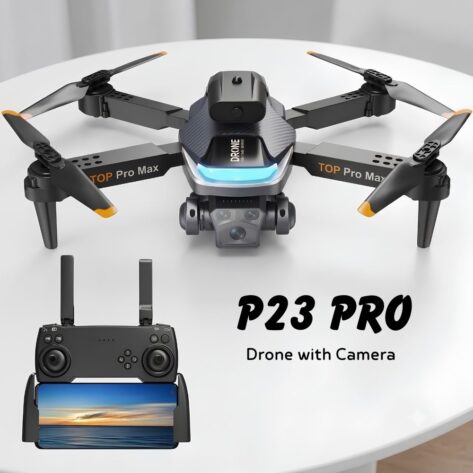
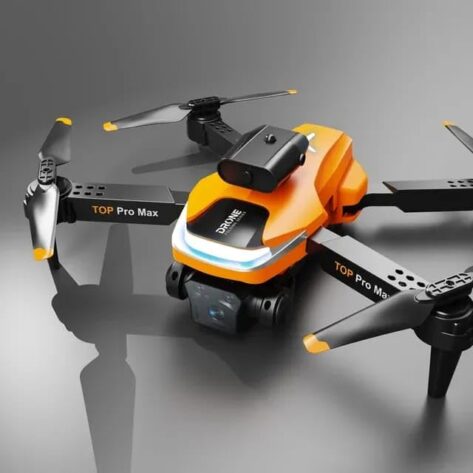


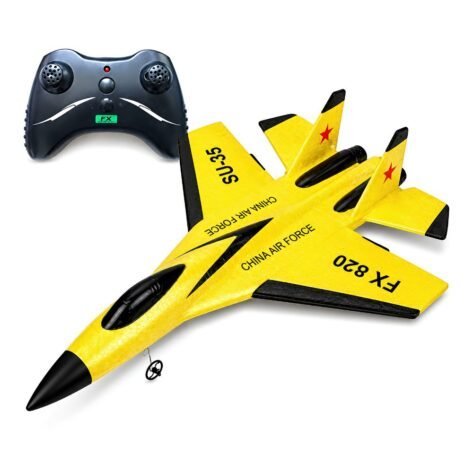
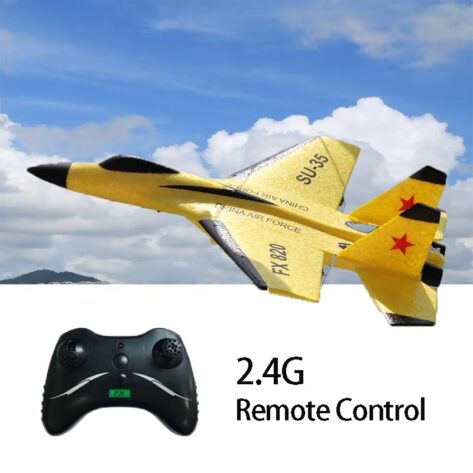
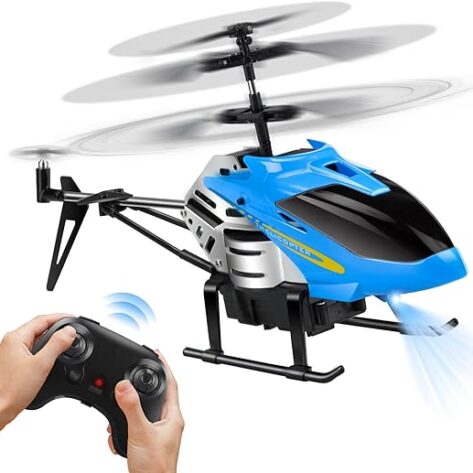
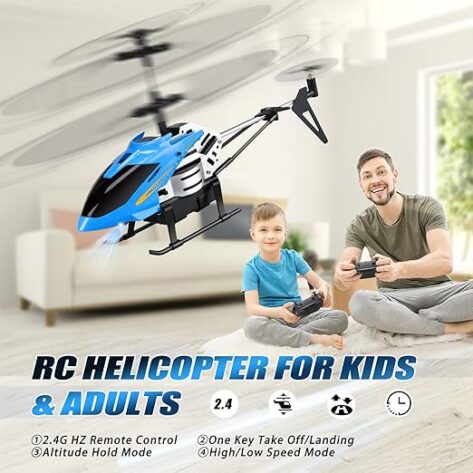
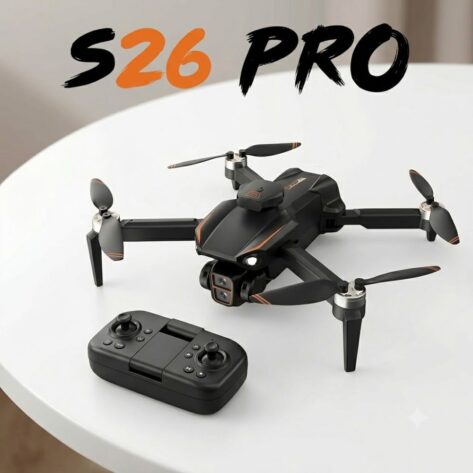

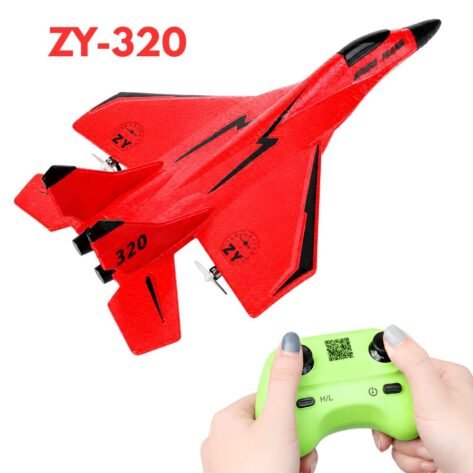

Drones and planes for Kids in Pakistan – Where Big Dreams Often Begin
The Day They Looked Up
It often starts with a simple moment.
A child hears a distant rumble, stops what they’re doing, and looks up.
High above, an aeroplane glides across the blue sky, leaving a white trail behind the clouds. Tiny fingers point upward, eyes grow wide with wonder, and questions begin almost immediately.
“How does it stay in the air?”
“Where is it going?”
“Who gets to fly it?”
“Can I fly one someday?”
For adults, it may be just another aircraft passing overhead.
For a child, it’s the beginning of a thousand possibilities.
Those first questions are often where curiosity takes flight. They encourage children to imagine places they’ve never visited, adventures they’ve never experienced, and inventions they don’t yet understand. Before they know anything about engines, wings, or aerodynamics, they already know one thing—they want to learn more.
That sense of wonder is one of childhood’s greatest gifts.
It’s also one of the reasons drones and planes continue to capture children’s imaginations generation after generation. Unlike many toys that stay on the ground, flying toys invite children to think differently. They encourage them to look beyond what’s directly in front of them and become curious about how things move, how they work, and what might be possible if they kept exploring.
Every Great Adventure Begins by Looking Up
Children are naturally curious explorers.
Long before they learn scientific words like “lift” or “gravity,” they spend their days asking questions, testing ideas, and observing the world around them. They watch birds soaring through the sky, paper planes gliding across the classroom, and helicopters hovering in the distance, trying to understand how something so heavy can appear so effortless.
Flying captures their imagination because it feels almost magical.
When children begin exploring drones and planes, that same curiosity becomes something they can experience for themselves. A simple take-off becomes an experiment. Every gentle turn encourages observation. Every landing inspires them to think about what they could do differently next time.
Without realising it, they’re becoming young explorers rather than simply playing with a toy.
Some children dream about discovering hidden places from above. Others imagine delivering supplies on an important rescue mission or racing through imaginary skies to complete an exciting challenge. Every flight becomes a new story waiting to unfold.
These adventures don’t just entertain.
They inspire children to ask questions, solve problems, and dream bigger than they did yesterday.
Perhaps that’s why so many engineers, pilots, inventors, and scientists first became fascinated with flight as children.
Every remarkable journey begins with curiosity.
And sometimes curiosity begins by simply looking up.
Why Flying Inspires Bigger Dreams
Unlike activities that provide instant answers, flying encourages children to experiment.
They quickly realise that every decision changes what happens next. A gentle movement on the controller creates a smooth turn. A careful landing feels rewarding because it took patience to achieve. Even when things don’t go exactly as planned, children naturally begin asking themselves what they can improve on the next attempt.
These experiences build something much more valuable than flying skills.
They build confidence in learning.
Children discover that mistakes aren’t the end of an adventure—they’re simply part of discovering how something works.
That’s a lesson that extends far beyond aviation.
Which Flying Adventure Matches Your Child?
Every child is fascinated by flight for different reasons. Understanding what naturally excites them can help you choose an experience they’ll genuinely enjoy.
If Your Child Enjoys…Flying AdventureSkills That Naturally Grow
Exploring new places Flying toy drones outdoors Observation and curiosity
Friendly competitions Flying RC planes through simple courses Hand-eye coordination and focus
Building and experimenting Paper planes and flight challenges Problem-solving and creativity
Watching nature Outdoor flying while observing birds and clouds Patience and environmental awareness
Technology and gadgets Learning remote control flight STEM curiosity and logical thinking
There isn’t one perfect way to enjoy drones and planes because every young pilot approaches adventure differently. Some children love discovering how far they can fly, while others become fascinated by learning how each flight becomes smoother with practice. What matters isn’t how high a flying toy can go—it’s how much curiosity it inspires along the way.
Because sometimes the biggest dreams don’t begin in a classroom.
They begin with one child, one glance toward the sky, and one simple question:
“I wonder if I could fly that someday?”
Every Flight Tells a Different Story
The first successful take-off is exciting.
The second is a little smoother.
By the third or fourth flight, something begins to change.
Children stop thinking about simply making a flying toy leave the ground. Instead, they start inventing adventures.
The garden becomes an airport.
A quiet park transforms into unexplored territory.
An open field becomes the setting for an important rescue mission.
This is when parents begin seeing something different too.
They no longer see a remote control in their child’s hands. They see a young explorer learning to observe, plan, adapt, and solve problems with every flight.
That’s the real magic of drones and planes.
Every flight tells a different story.
The Backyard Pilot
For many children, the garden is where their aviation journey begins.
A small take-off from the grass quickly turns into an imaginary airport. Safe landings become important missions, while every successful flight builds confidence for the next challenge.
Unlike watching aircraft on television, flying RC Planes or beginner-friendly Toy Drones allows children to experience the excitement themselves. They learn that even short flights require patience, attention, and careful control.
Each successful landing becomes a small achievement worth celebrating.
The Drone Explorer
Children are naturally curious about the world around them.
Flying toys encourage them to see familiar places from a fresh perspective.
Instead of simply running through the garden, they begin noticing where birds rest, how trees move in the wind, and how open spaces make flying easier. Even a local park can become an exciting place for discovery when viewed through the eyes of a young explorer.
This kind of observation encourages children to slow down, pay attention, and appreciate details they might normally overlook.
Sometimes the greatest adventure isn’t travelling somewhere new.
It’s learning to see familiar places differently.
Rescue Missions, Air Races and Family Flying Days
One afternoon, a child may imagine delivering emergency supplies to a stranded explorer.
The next day, they’re organising an exciting air race with siblings to see who can complete a simple flying course most carefully.
Weekend afternoons can become family flying sessions where parents and children work together to practise take-offs, celebrate gentle landings, and laugh about the occasional unexpected crash.
Even simple challenges help children stay engaged.
Can you land inside the circle?
Can you fly around the tree without touching it?
Can you complete the course more smoothly than yesterday?
These activities encourage teamwork, patience, and communication while making outdoor play even more enjoyable.
Looking Beyond the Clouds
Flying isn’t always about speed.
Sometimes it’s about slowing down.
Many children enjoy lying on the grass after flying, watching clouds drift across the sky and noticing birds gliding effortlessly overhead. They begin asking why one bird soars while another flaps continuously, or why windy days change the way things fly.
These quiet moments often inspire conversations about weather, nature, and science without feeling like a lesson.
Curiosity grows naturally when children are encouraged to observe rather than simply receive answers.
What Every Flight Teaches Without a Classroom
Children often learn their most valuable lessons when they don’t realise they’re learning.
Flying drones and planes encourages a combination of physical skills and thoughtful decision-making that develops naturally through experience.
Hand-eye coordination improves as children make small, controlled movements to guide each flight.
Patience grows because successful flying rarely happens perfectly on the first attempt.
Spatial awareness develops as children learn to judge distance, direction, height, and safe landing areas.
Perhaps most importantly, curiosity about technology begins to grow. Children start wondering why wings create lift, how remote controls communicate with flying toys, or why weather conditions affect different flights. These simple questions often become the first steps towards a lasting interest in STEM subjects.
Every careful adjustment builds confidence.
Every mistake encourages problem-solving.
Every successful landing reminds children that improvement comes through practice.
Every Young Pilot Learns Differently
Every child approaches flight with their own unique interests. Choosing experiences that match their personality makes flying more enjoyable and rewarding.
Young Pilot TypeIdeal Flying ExperienceSkills That Naturally Grow
The Explorer Discovering parks and open spaces with Toy Drones Observation, curiosity and confidence
The Racer Friendly flying challenges with RC Planes Coordination, focus and quick decision-making
The Engineer Experimenting with flight techniques and simple aerodynamics STEM curiosity and problem-solving
The Observer Watching birds, clouds and changing weather during flights Patience, awareness and appreciation of nature
The Adventurer Weekend family flying sessions and outdoor missions Teamwork, resilience and communication
The greatest lesson children learn from drones and planes isn’t simply how to fly.
It’s that every journey begins with curiosity, every challenge can be improved through practice, and every successful landing is proof that patience and persistence help us reach new heights.
Turning Your Garden into a Mini Airfield
The most memorable flying adventures rarely begin at an airport.
They begin in a garden on a sunny afternoon.
A child carefully places their RC Plane on the grass, checks that the area is clear, holds the controller with both hands, and takes a deep breath before the first take-off.
There’s excitement.
A little nervousness.
And plenty of anticipation.
Parents often discover that these simple moments become family traditions. Weekend flying sessions encourage everyone to step outdoors, enjoy fresh air, and learn something new together. Whether it’s a first successful landing or an unexpected crash followed by laughter, every flight becomes another story to remember.
Creating your own little airfield at home doesn’t require a huge space. It simply requires a safe environment where children can practise, experiment, and enjoy the experience without pressure.
Choosing the Right Flying Toy
Every young pilot begins somewhere different.
Some children are fascinated by technology and enjoy learning how Toy Drones respond to careful controller movements. Others dream of flying classic RC Planes that glide smoothly across open spaces.
The best choice isn’t always the fastest or most advanced model.
It’s the one that matches your child’s confidence, patience, and current experience.
Beginners usually enjoy simple flying toys with easy controls that allow them to focus on learning basic movements. As confidence grows, children naturally become ready for more challenging flying experiences that encourage greater precision and control.
The goal isn’t to master flying in one afternoon.
It’s to enjoy learning step by step.
Indoor or Outdoor Adventures?
Both environments offer different experiences.
Indoor flying is often suitable for calm practice with lightweight beginner-friendly flying toys where children can become familiar with simple controls without worrying about wind.
Outdoor flying introduces an entirely new adventure.
Open gardens, parks, or fields give children more space to practise gentle turns, wider circles, and smoother landings. They also begin understanding how weather, open space, and surroundings influence every flight.
Experiencing both environments helps children develop confidence while appreciating that good pilots learn to adapt rather than expect perfect conditions every time.
Creating a Safe Flight Zone
One of the first lessons every young pilot should learn is that good flying always begins with preparation.
Before every flight, encourage children to look around carefully.
Choose an open area away from roads, power lines, trees, and large crowds. A flat section of grass can become a simple runway, while a clear landing area helps children practise controlled descents instead of rushed landings.
Some families enjoy placing small cones, garden markers, or chalk circles on the ground to create pretend runways and landing zones. These simple additions make practice sessions more enjoyable while encouraging children to aim for greater accuracy.
Good preparation often leads to better flying.
Weekend Flying Becomes Family Time
Flying doesn’t have to be a solo activity.
Many families enjoy setting aside an hour on Saturday or Sunday to head outdoors together. One child becomes the pilot while another watches the surroundings, parents help create simple flying challenges, and everyone celebrates successful take-offs and careful landings.
Some weekends become friendly competitions.
Others become relaxed afternoons spent watching clouds, observing birds, and enjoying time together between flights.
These shared experiences often become just as memorable as the flying itself.
Why Every Crash Is Part of the Adventure
Ask any experienced pilot, and they’ll tell you something reassuring.
Nobody enjoys a perfect first flight.
Every unexpected landing teaches something useful.
Perhaps the turn was too sharp.
Maybe the wind was stronger than expected.
Or perhaps a little more patience was needed before taking off.
Children quickly discover that mistakes aren’t signs of failure—they’re opportunities to improve. They learn to pause, think about what happened, make a small adjustment, and try again.
This simple process develops resilience, problem-solving, and confidence far beyond flying.
It’s a lesson that applies to school, sports, hobbies, and everyday life.
Safe Flying Builds Confident Pilots
The most enjoyable flying experiences are also the safest ones.
Encourage children to fly in suitable weather, keep a comfortable distance from other people, and always check that their flying area is clear before taking off. Taking regular breaks also helps younger pilots stay focused and prevents tiredness from affecting their control.
Most importantly, remind children that flying isn’t about showing off impressive tricks.
It’s about enjoying the journey, respecting the space around them, and becoming a little more confident with every flight.
Because turning your garden into a mini airfield isn’t really about creating the perfect runway.
It’s about creating a place where curiosity takes off, mistakes become valuable lessons, and every weekend brings another opportunity to explore the sky together.
Today’s Flight, Tomorrow’s Bigger Dreams
Long after children forget how high their first flight reached, they’ll often remember something far more important.
The excitement of placing a flying toy on the ground for the very first time.
The butterflies before pressing the controller.
The proud smile after a successful landing.
The laughter that followed a flight that didn’t quite go as planned.
Those moments become part of childhood.
Flying isn’t simply about controlling Toy Drones or RC Planes. It’s about learning to stay curious, think ahead, solve problems, and enjoy the journey even when everything doesn’t happen perfectly the first time.
Every take-off teaches courage.
Every landing teaches patience.
Every adventure encourages children to keep exploring.
That’s why drones and planes become much more than exciting outdoor activities—they become opportunities to build confidence that reaches far beyond the sky.
Pilot Mission Cards
The best flights aren’t always the longest ones.
Sometimes the most memorable adventures come from simple challenges that encourage children to think creatively, observe carefully, and work together. These missions transform ordinary flying sessions into exciting family adventures.
20 Flying Missions for Young Pilots
Complete three smooth take-offs in a row.
Land inside a marked landing circle.
Fly a gentle figure-eight course.
Spot three different birds during your flying session.
Observe today’s cloud shapes and describe them.
Complete a “rescue mission” by safely reaching a chosen landing zone.
Create a mini runway using cones or chalk.
Fly around two safe markers without touching them.
Time how long you can maintain a steady flight.
Practise the softest landing possible.
Watch how the wind changes your flight path.
Design your own family flying challenge.
Take turns being the pilot and the mission controller.
Create an imaginary delivery mission across the garden.
Explore a new open flying location with your family.
Build a simple obstacle course using safe markers.
Keep a “pilot log” describing today’s flight.
Learn the names of three different aircraft.
Fold and test a paper aeroplane before flying your remote-controlled aircraft.
Finish every session by sharing one new thing you learned.
These small challenges encourage observation, teamwork, patience, and creativity while making every flying day feel like a new adventure.
Growing Curiosity Beyond the Sky
Children learn best when different types of play complement one another.
After an afternoon of flying drones and planes, Active Play Toys encourage children to stay outdoors, keep moving, and continue exploring their surroundings. Educational Toys help answer the questions that naturally arise about science, engineering, and technology, while Blocks & Puzzles give young builders the opportunity to experiment with design, balance, and creative problem-solving.
The adventure doesn’t have to end when the aircraft lands. Pretend Play Toys allow children to become pilots, rescue crews, explorers, or astronauts, extending the stories they imagined during flight. Even a Kids Tent House can become an exciting air traffic control tower, a pilot headquarters, or a mission planning station where tomorrow’s adventures begin.
Together, these activities create a balanced play experience that encourages curiosity, imagination, movement, and lifelong learning.
Frequently Asked Questions
What age is suitable for flying toys?
The ideal age depends on the individual toy and the child’s confidence. Beginner-friendly Toy Drones and RC Planes with simple controls are often the best starting point, especially when parents can supervise early flights.
Should beginners fly indoors or outdoors?
Indoor flying can be useful for practising basic controls with lightweight models in a safe space. As children gain confidence, open outdoor areas provide more room to develop flying skills and understand how weather affects each flight.
Can flying toys help reduce screen time?
Yes. Flying toys encourage children to spend more time outdoors, moving, observing nature, and engaging in hands-on activities that stimulate both body and mind.
What weather is best for beginner flights?
Calm, dry weather with very little wind usually provides the safest and most enjoyable conditions for children who are learning to fly.
Today’s Flight, Tomorrow’s Bigger Dreams
Children may never remember every flight they completed.
But they’ll remember the afternoons spent outside with family.
They’ll remember watching an aircraft climb into the sky while everyone held their breath.
They’ll remember celebrating careful landings, laughing after unexpected crashes, and trying again with even greater determination.
Those moments quietly shape the way children approach new challenges.
They learn that success rarely happens on the first attempt.
They discover that curiosity leads to learning, patience leads to improvement, and confidence grows through practice rather than perfection.
At ToyTanic, we believe the greatest value of drones and planes isn’t measured by how high they fly or how fast they travel. It’s measured by the questions they inspire, the adventures they create, and the confidence they help children build with every new experience.
Because maybe every careful take-off, every imperfect landing, and every moment your child spends looking up at the sky is helping them become more curious, more patient, and more confident to explore a world full of possibilities.
And perhaps that’s where the greatest journeys have always begun—not in the sky itself, but in the imagination of a child who simply looked up and wondered what might be waiting beyond the horizon.
- Expand your child’s adventures by exploring our Cars & Vehicles, Active Play Toys, Educational Toys, Blocks & Puzzles, and Tent House collections.