

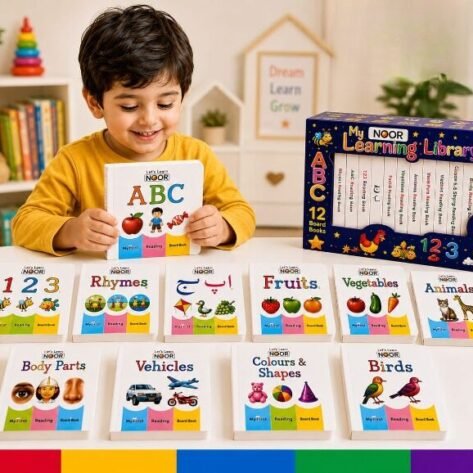
12-in-1 Learning Library Books for Kids
₨1,749.00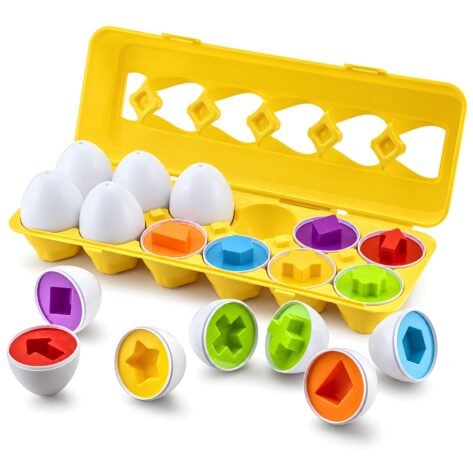
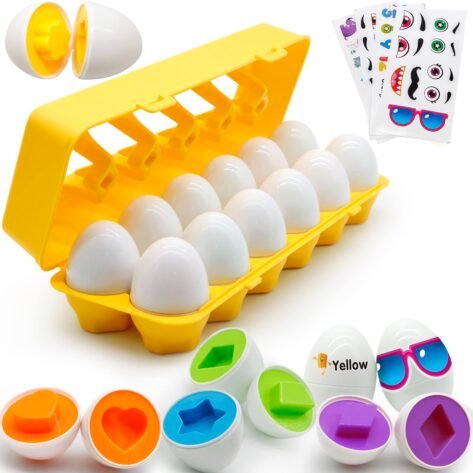
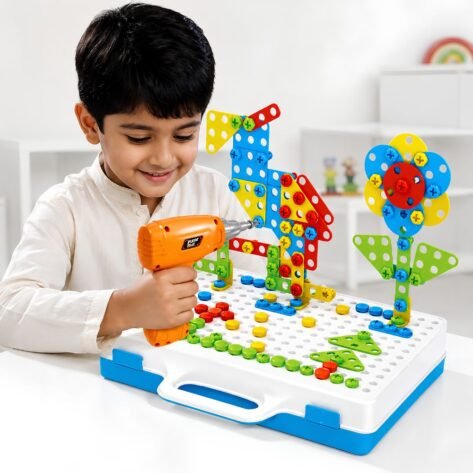

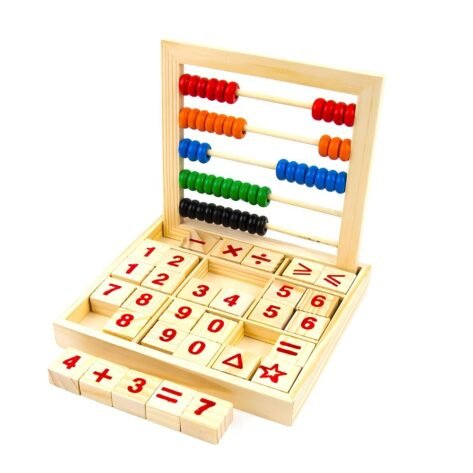
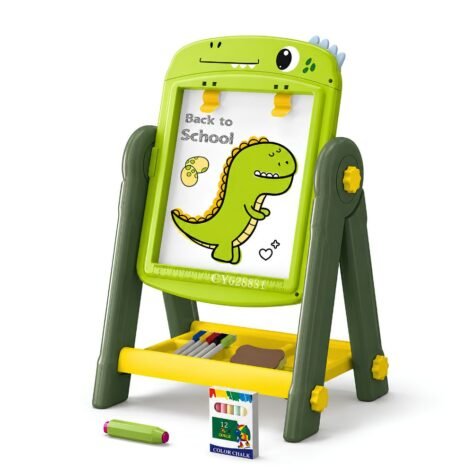
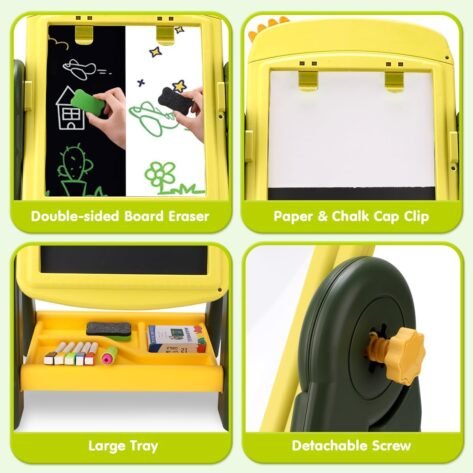
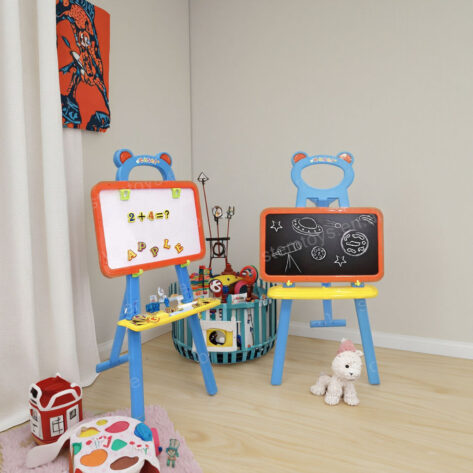
2 in 1 Magnetic Black and White Board for Kids – Double-Sided Drawing Board
₨6,950.00Current price is: ₨6,950.00. Original price was: ₨8,500.00.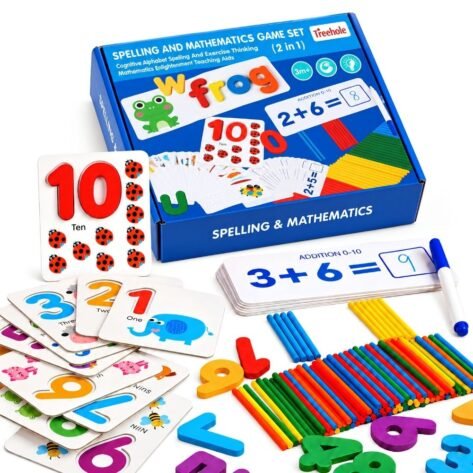
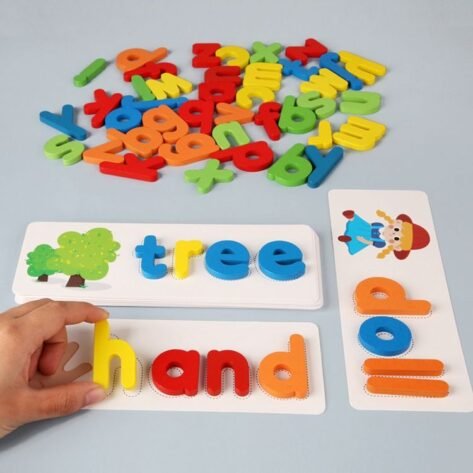
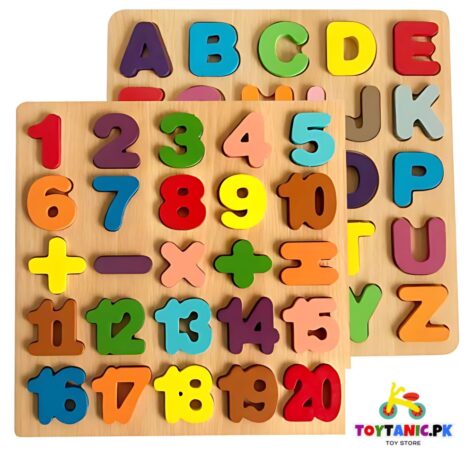
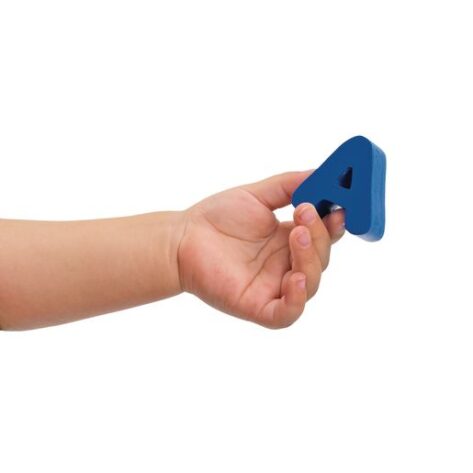
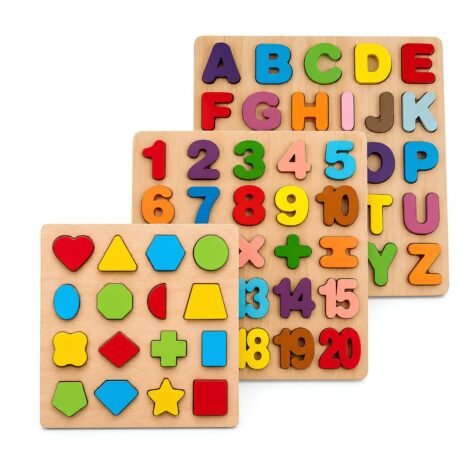
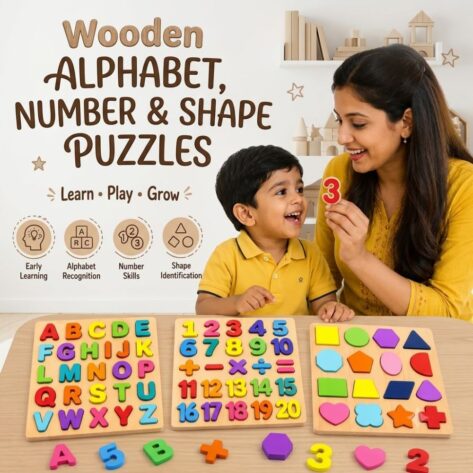
2 Pcs Learning Wooden Puzzle Boards Set for Kids – Alphabets and Numbers
₨1,250.00Current price is: ₨1,250.00. Original price was: ₨1,450.00.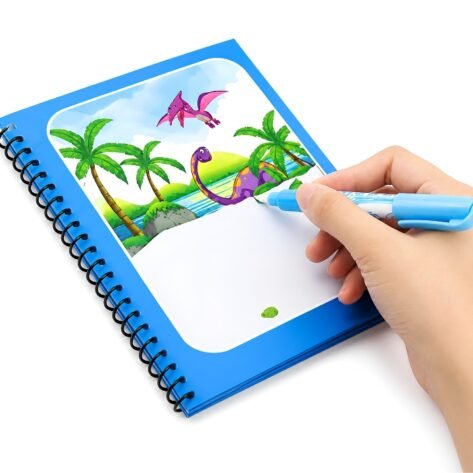
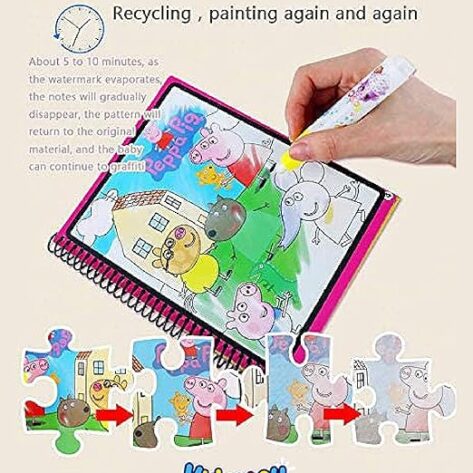
2 Pcs Magic Water Coloring Books – Reusable Water Painting Book for Kids
₨799.00Current price is: ₨799.00. Original price was: ₨1,200.00.
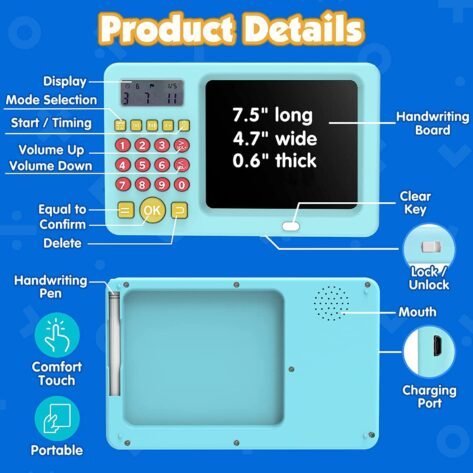
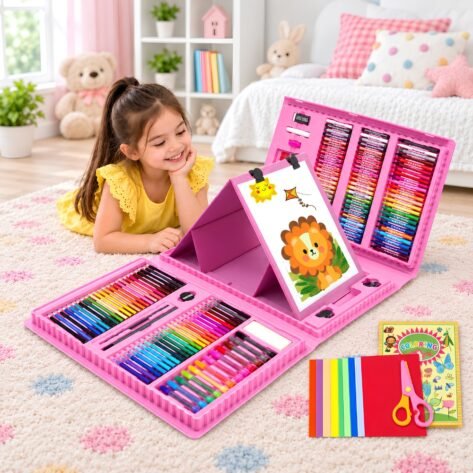
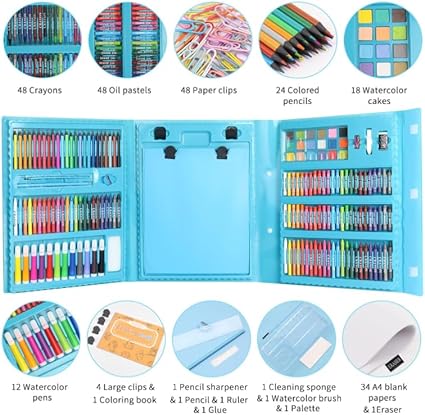
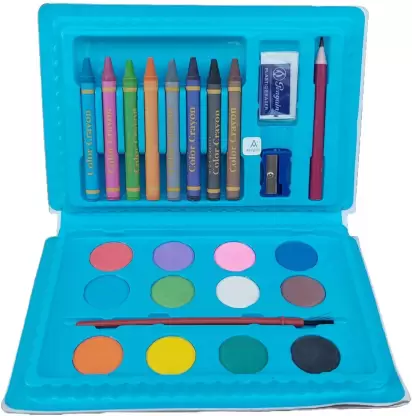
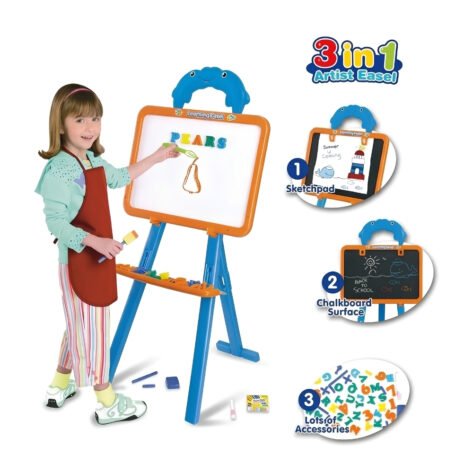


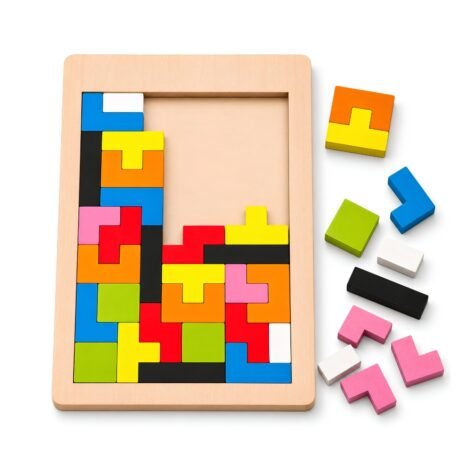
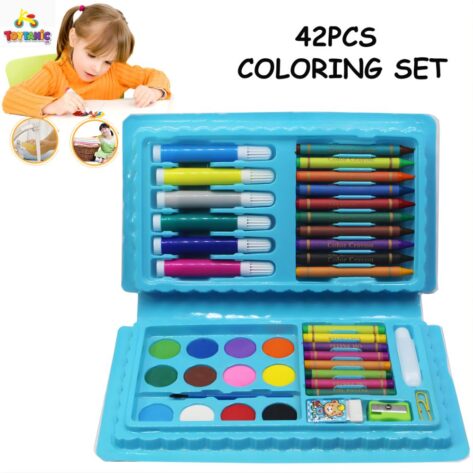
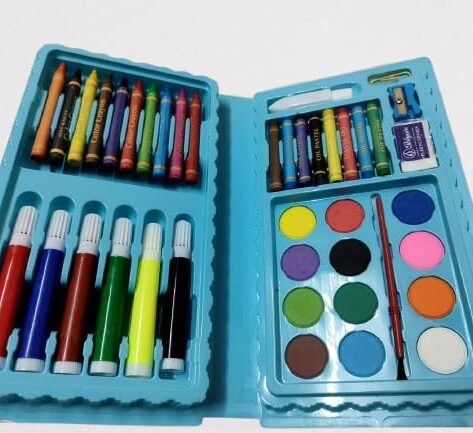
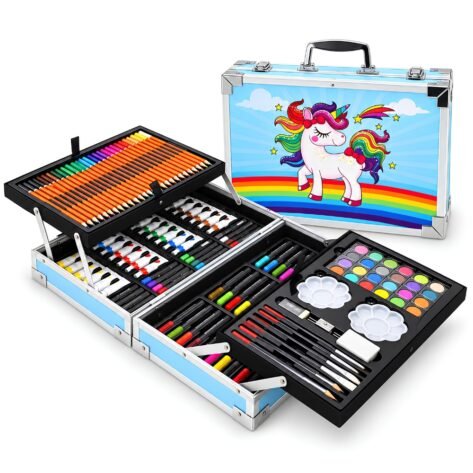
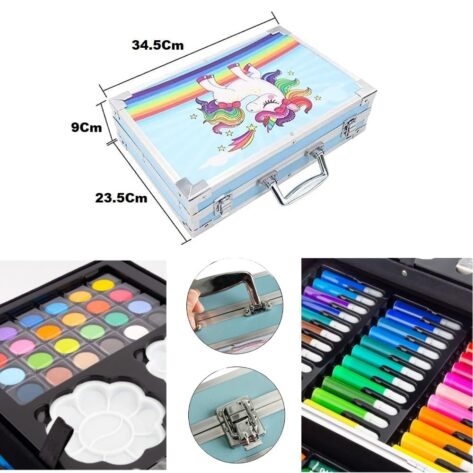
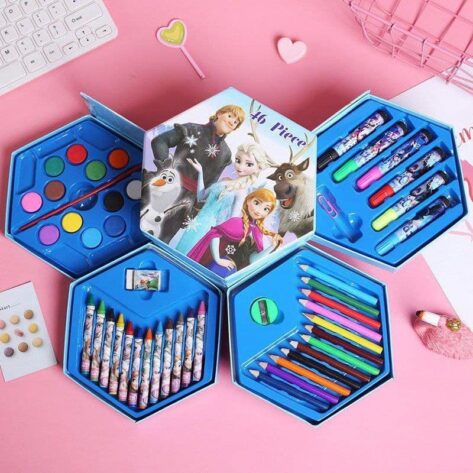
42 Pcs Art Color Set for Kids
₨799.00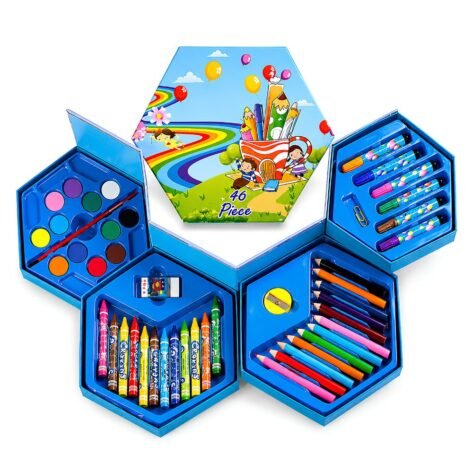
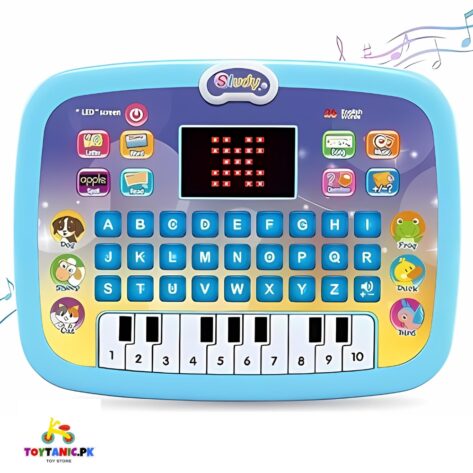

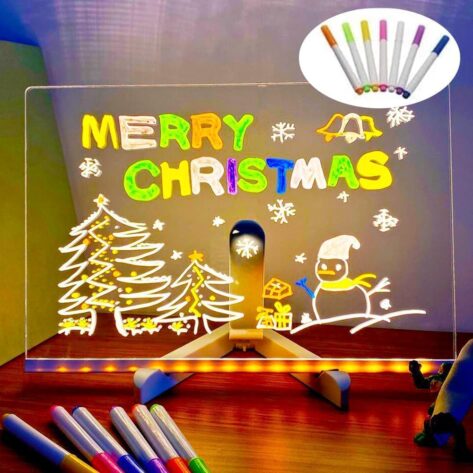
Acrylic LED Writing Board with Light – Reusable LED Message Board for Kids & Home
₨1,450.00 – ₨1,950.00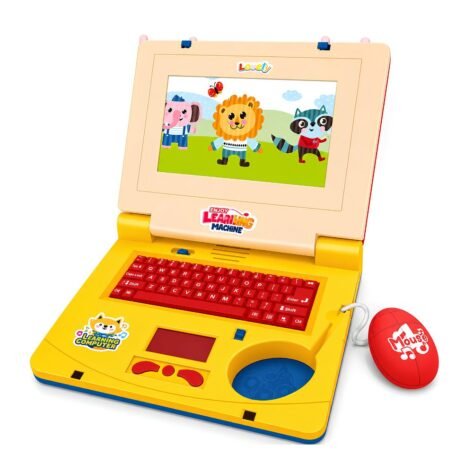
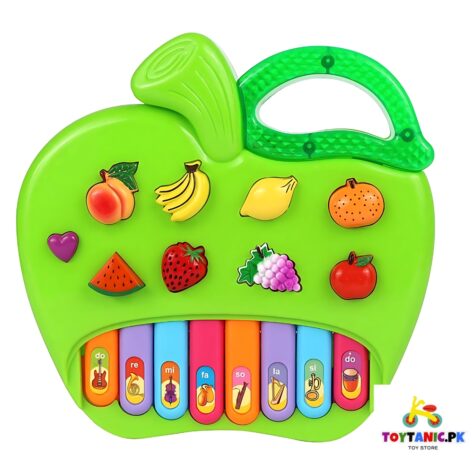
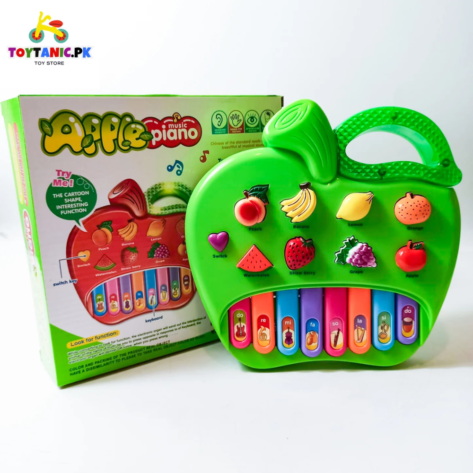
Apple Piano Toy for Kids with Lights and Music – Musical Learning Piano Toy
₨1,550.00Current price is: ₨1,550.00. Original price was: ₨1,850.00.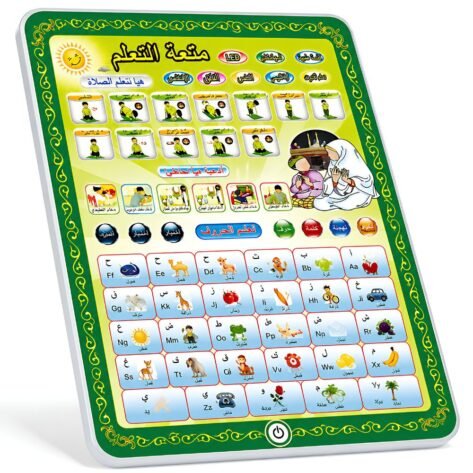
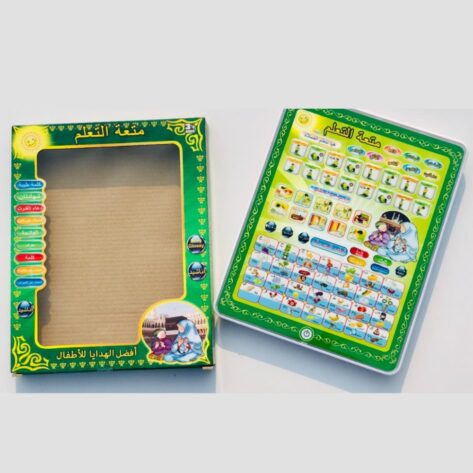
Arabic Islamic Tablet for Kids Education – 15 Interactive Learning Activities
₨1,495.00Current price is: ₨1,495.00. Original price was: ₨1,950.00.

ATM Machine for Kids – Electronic Money Saving Bank with Password & ATM Card
₨2,350.00Current price is: ₨2,350.00. Original price was: ₨2,750.00.Educational Toys for Kids in Pakistan – Helping Children Learn Through Play, Curiosity & Discovery
Every Great Learning Journey Begins with Play
Every parent hopes to see their child grow into a confident learner, an independent thinker, and a curious explorer. While schools provide structured education, the foundation of learning is built much earlier—through everyday play, discovery, and interaction with the world around them. Before children learn to read books or solve maths problems, they first learn by touching, stacking, sorting, building, matching, and experimenting.
Those early moments may seem like simple play, but they shape how children understand new ideas, solve problems, communicate with others, and develop confidence. Choosing the right toys during these formative years isn’t about keeping children occupied—it’s about giving them opportunities to learn naturally through enjoyable experiences.
This is why more families are choosing Educational Toys for Kids in Pakistan that encourage children to think creatively, ask questions, and develop real-life skills while having fun. Unlike toys that entertain for a short time and are quickly forgotten, educational toys continue to challenge growing minds as children progress through different stages of development.
At ToyTanic, we believe learning should never feel like a classroom lesson. Children learn best when they are excited, curious, and free to explore at their own pace. That’s why our carefully selected collection of Educational Toys for Kids in Pakistan combines fun with meaningful learning experiences, helping children build confidence, creativity, and lifelong learning habits from their earliest years.
Whether your child is beginning to recognise colours, learning the alphabet, exploring numbers, building creative structures, solving puzzles, or discovering basic STEM concepts, the right educational toy can transform ordinary playtime into an exciting opportunity to learn something new every day.
Why Play Is the Best Way Children Learn
Long before children understand textbooks, they understand play.
When children build towers, match colours, complete puzzles, or pretend to solve everyday problems, their brains are actively making connections. Every new challenge encourages them to observe, experiment, make mistakes, and try again. These experiences strengthen important neural pathways that support learning throughout childhood.
Unlike passive entertainment, play requires children to participate. They don’t simply watch information—they create it. They compare shapes, recognise patterns, predict outcomes, and test their own ideas. This active involvement helps children retain knowledge more effectively because they discover answers through experience rather than memorisation.
Learning through play also creates positive emotions. Children who enjoy learning are naturally more willing to explore new challenges, ask questions, and remain curious about the world around them. Instead of viewing education as something difficult, they begin associating learning with excitement and achievement.
Educational toys also encourage independent thinking. Rather than providing immediate answers, they invite children to experiment with different solutions, solve problems creatively, and develop confidence in their own abilities. These are valuable life skills that extend far beyond the classroom.
Another advantage of learning through play is that it develops multiple skills simultaneously. A simple building block activity may improve creativity, hand-eye coordination, balance, patience, spatial awareness, and logical thinking—all within a single play session.
For parents, this means every minute spent playing can become an opportunity for healthy development without making children feel pressured or overwhelmed.
Educational Toys for Every Stage of Childhood
Children develop rapidly during their early years, and the toys that inspire one age group may not be suitable for another. Choosing educational toys that match your child’s developmental stage keeps learning enjoyable while preventing frustration.
0–12 Months: Discovering the World Through the Senses
During the first year of life, babies learn primarily through seeing, touching, hearing, and exploring.
Educational toys at this stage should focus on stimulating the senses rather than teaching formal concepts. Bright colours, different textures, gentle sounds, mirrors, and soft sensory toys encourage babies to observe their surroundings and strengthen early cognitive development.
Ideal choices include:
Soft sensory toys
High-contrast visual toys
Colourful rattles
Textured activity toys
Soft fabric books
These activities help babies begin recognising colours, developing visual tracking skills, and improving hand movements while encouraging safe exploration.
1–3 Years: Building Confidence Through Exploration
Toddlers become naturally curious as they begin walking, talking, and interacting with everything around them.
At this stage, children enjoy toys that allow them to stack, sort, match, and organise objects. These simple activities introduce early mathematical thinking while improving coordination and problem-solving.
Recommended educational toys include:
Shape sorters
Stacking blocks
Colour matching games
Large building blocks
Simple wooden puzzles
These toys also strengthen fine motor skills and encourage children to explore independently.
3–5 Years: Preparing for School Through Play
Preschool children begin recognising letters, numbers, patterns, and simple words.
Educational toys become more interactive and encourage children to solve increasingly complex challenges while maintaining a playful environment.
Excellent options include:
Alphabet learning toys
Number recognition games
Tracing books
Magnetic writing boards
Jigsaw puzzles
Counting activities
Instead of memorising information, children gradually understand concepts through repeated hands-on experiences.
5–8 Years: Encouraging Critical Thinking and Creativity
School-age children enjoy challenges that require planning, reasoning, and creative thinking.
This is the perfect time to introduce more advanced educational toys that combine fun with STEM concepts and independent problem-solving.
Popular choices include:
STEM learning toys
Magnetic building blocks
Science experiment kits
Construction toys
Logic games
Strategy puzzles
These activities help children strengthen analytical thinking while encouraging creativity and innovation.
8+ Years: Exploring Bigger Ideas
Older children often look for activities that challenge them to think more deeply and solve more complex problems.
Educational toys at this stage should encourage independent exploration while supporting interests in science, engineering, technology, mathematics, and creative design.
Examples include:
Advanced construction sets
Engineering projects
Robotics kits
Scientific experiment sets
Brain teaser puzzles
Advanced STEM activities
These toys continue to develop confidence, resilience, and curiosity while preparing children for future learning.
Educational Toys by Developmental Goal
Choosing toys based only on age is helpful, but selecting them according to your child’s learning goals can make playtime even more meaningful.
Learning Goal Recommended Educational Toy Skills Developed
Language & Communication Alphabet Boards, Flash Cards, Talking Books Vocabulary, Reading Readiness, Communication
Creativity & Imagination Building Blocks, Drawing Boards, Art Activities Creative Thinking, Imagination, Self-Expression
Problem Solving Wooden Puzzles, Logic Games, Brain Teasers Critical Thinking, Decision Making
Fine Motor Skills Shape Sorters, Busy Books, Threading Toys Hand-Eye Coordination, Finger Strength
STEM Learning Magnetic Blocks, Science Kits, Engineering Toys Engineering Concepts, Logical Thinking, Spatial Awareness
Quick Age Guide for Parents
Choosing age-appropriate educational toys keeps children interested while ensuring activities remain both enjoyable and developmentally suitable.
Age Group Recommended Educational Toys
0–12 Months Sensory Toys, Soft Books, Rattles, Texture Toys
1–3 Years Shape Sorters, Stacking Toys, Colour Matching Games
3–5 Years Alphabet Toys, Number Games, Puzzles, Tracing Books
5–8 Years STEM Toys, Magnetic Blocks, Science Kits, Construction Sets
8+ Years Engineering Kits, Robotics, Advanced Building Toys, Strategy Games
Montessori, STEM & Traditional Educational Toys – Which Approach Is Right for Your Child?
One of the most common questions parents ask is whether they should choose Montessori toys, STEM toys, or traditional educational toys. The truth is that there isn’t a single “best” approach. Each supports different aspects of a child’s development, and many children benefit from experiencing all three throughout their learning journey.
Rather than choosing one over another, it is more helpful to understand what each approach teaches, which age group it suits best, and how it matches your child’s interests. The goal isn’t to follow a trend—it’s to choose toys that encourage your child to explore, learn, and enjoy the process.
Montessori Educational Toys
Montessori-inspired toys focus on independent learning and hands-on exploration. They are designed to let children discover concepts naturally without relying on flashing lights, excessive sounds, or constant instructions.
Instead of telling children what to do, Montessori toys encourage them to experiment, repeat activities, and solve problems independently. This helps build patience, concentration, confidence, and self-reliance.
Examples include:
Wooden puzzles
Shape sorters
Busy boards
Stacking toys
Practical life activity sets
Colour and size sorting games
These toys are particularly suitable for babies, toddlers, and preschool children who are developing basic motor, sensory, and cognitive skills.
STEM Educational Toys
STEM stands for Science, Technology, Engineering, and Mathematics. These toys encourage children to ask questions, test ideas, and discover how things work through experimentation.
Instead of simply memorising facts, children actively build, design, create, and solve challenges. They begin understanding concepts such as balance, motion, gravity, engineering, sequencing, and logical thinking through practical experiences.
Popular STEM toys include:
Magnetic building blocks
Construction sets
Science experiment kits
Marble runs
Engineering games
Coding and robotics kits (for older children)
STEM toys are an excellent choice for children who enjoy building, solving puzzles, and exploring new ideas through hands-on learning.
Traditional Educational Toys
Traditional educational toys remain just as valuable today because they introduce essential early learning concepts in a simple, engaging way.
These toys help children develop literacy, numeracy, creativity, communication, and problem-solving skills without requiring technology.
Examples include:
Alphabet boards
Number games
Flash cards
Magnetic writing boards
Tracing books
Learning books
Matching games
Many parents combine traditional learning toys with Montessori and STEM activities to create a well-rounded learning environment.
Montessori vs STEM vs Traditional Educational Toys
Learning Approach Best For Key Skills Developed Recommended Age
Montessori Toys Independent exploration Concentration, independence, sensory development, fine motor skills 0–6 Years
STEM Toys Problem-solving and innovation Engineering, logical thinking, creativity, scientific reasoning 5 Years & Above
Traditional Educational Toys Early academic learning Literacy, numeracy, memory, communication, handwriting 2 Years & Above
Each learning style contributes something valuable. Instead of choosing one exclusively, many parents achieve the best results by offering a balanced mix of activities that evolve as their child grows.
Skills Children Develop Through Educational Toys
The greatest benefit of educational toys isn’t simply that children stay busy—it is that they develop important life skills while enjoying the learning process. Every puzzle solved, block stacked, picture drawn, or challenge completed strengthens abilities that support both school success and everyday life.
Problem-Solving Skills
Educational toys encourage children to think before acting. Whether they are completing a puzzle, building a tower, or figuring out how different pieces fit together, they learn to analyse situations and discover solutions independently.
Instead of giving immediate answers, these activities encourage persistence, logical thinking, and resilience. Children also become more comfortable making mistakes, adjusting their approach, and trying again until they succeed.
Creativity & Imagination
Some of the most valuable educational experiences happen when there is no single correct answer.
Open-ended toys such as building blocks, drawing boards, magnetic construction sets, and creative activity books allow children to express their own ideas and invent something completely unique.
Creative play helps children:
Think independently
Express emotions
Build confidence
Develop innovation
Explore multiple solutions
These experiences encourage flexible thinking that benefits children throughout their education.
Language & Communication
Many educational toys naturally encourage conversations between parents and children.
Activities involving alphabet boards, picture cards, storytelling games, talking books, and matching exercises introduce new vocabulary while helping children improve listening and speaking skills.
Reading instructions together, asking questions, and describing what they are building or creating also strengthens communication and prepares children for future literacy.
Fine Motor Skills
Many learning activities require children to use small hand and finger movements with accuracy and control.
Simple tasks such as stacking blocks, tracing letters, threading objects, writing, sorting shapes, and fitting puzzle pieces help strengthen the muscles needed for:
Pencil grip
Handwriting
Drawing
Buttoning clothes
Everyday coordination
These skills become increasingly important as children grow and begin school.
Confidence & Independent Learning
Children feel proud when they solve a problem without assistance.
Educational toys provide regular opportunities for these small achievements, gradually building confidence and encouraging children to take on new challenges independently.
Over time, they become more willing to explore unfamiliar ideas, experiment with different solutions, and believe in their own abilities.
Memory & Concentration
Activities such as matching games, sequencing exercises, puzzles, and memory challenges encourage children to remain focused for longer periods.
They gradually learn to:
Observe carefully
Remember information
Recognise patterns
Follow instructions
Complete multi-step activities
These concentration skills support learning across many different subjects.
Social Skills & Teamwork
Although many educational toys can be enjoyed independently, they also provide excellent opportunities for family learning and cooperative play.
Children learn valuable social skills by:
Sharing materials
Waiting for their turn
Listening to others
Explaining their ideas
Solving challenges together
These experiences encourage empathy, communication, and respectful collaboration while making learning more enjoyable.
Critical Thinking
Perhaps the most valuable skill educational toys encourage is the ability to think critically.
Rather than memorising answers, children begin asking questions such as:
Why did this happen?
What happens if I try a different approach?
Is there another solution?
How can I improve this design?
This habit of questioning, analysing, and experimenting helps children become confident learners throughout their education and beyond.
Why These Skills Matter Beyond Childhood
The purpose of educational toys is not simply to prepare children for their next school year. The habits they develop through meaningful play—curiosity, creativity, perseverance, communication, and independent thinking—continue supporting them as they grow into confident learners and capable problem-solvers.
By choosing Educational Toys for Kids in Pakistan that encourage active participation rather than passive entertainment, parents create everyday opportunities for children to learn naturally while enjoying the simple joy of play.
Parent’s Buying Guide: How to Choose the Right Educational Toy for Your Child
With so many educational toys available today, choosing the right one can feel overwhelming. Bright colours, attractive packaging, and popular trends often catch a parent’s attention first, but the best educational toy is not necessarily the most expensive or the one with the most features.
A well-chosen educational toy should match your child’s developmental stage, interests, and learning style. When these three factors come together, children stay engaged for longer, enjoy learning naturally, and continue using the toy long after the excitement of opening the box has passed.
Instead of asking, “Which educational toy is the best?”, a better question is:
“Which educational toy is the best for my child right now?”
Keeping this simple mindset makes choosing educational toys much easier.
Step 1: Start with Your Child’s Age
Children develop rapidly during their early years, and a toy that excites one age group may frustrate another.
Toddlers (1–3 Years)
At this stage, children are discovering colours, shapes, sounds, and textures.
Look for toys such as:
Shape sorters
Stacking blocks
Sensory toys
Soft educational books
Colour recognition games
These activities strengthen early motor skills while encouraging exploration.
Preschool Children (3–5 Years)
Children become increasingly curious and begin recognising letters, numbers, and simple patterns.
Ideal choices include:
Alphabet learning toys
Counting games
Tracing books
Magnetic writing boards
Educational puzzles
Building blocks
These toys prepare children for school while making learning enjoyable rather than stressful.
School-Age Children (5 Years and Above)
Older children enjoy challenges that require planning, reasoning, and independent thinking.
Consider:
STEM learning toys
Science experiment kits
Brain teaser puzzles
Strategy games
Construction toys
Engineering building sets
These activities encourage creativity, resilience, and logical thinking.
Step 2: Consider Your Child’s Interests
Every child learns differently.
Some children enjoy solving puzzles.
Others prefer building structures.
Some love drawing.
Others enjoy experimenting and discovering how things work.
Choosing toys that match your child’s natural interests helps maintain motivation and encourages longer periods of meaningful play.
Rather than trying to change your child’s personality, educational toys should build upon the curiosity they already have.
Step 3: Think About the Learning Goal
Every educational toy teaches something different.
Before buying, ask yourself:
Learning Goal Recommended Educational Toys
Reading & Vocabulary Flash Cards, Alphabet Boards, Talking Books
Mathematics Counting Toys, Abacus, Number Games
Creativity Drawing Boards, Building Blocks, Art Activities
STEM Learning Magnetic Blocks, Science Kits, Construction Sets
Fine Motor Skills Busy Books, Shape Sorters, Threading Toys
Problem Solving Wooden Puzzles, Logic Games, Brain Teasers
Memory & Concentration Matching Games, Jigsaw Puzzles
Imagination Pretend Play Learning Toys
Choosing toys based on a specific developmental goal creates balanced learning rather than repeating the same type of activity.
Step 4: Choose Toys That Grow With Your Child
Some toys provide only a few minutes of entertainment before children lose interest.
The most valuable educational toys are those that become more challenging as children develop.
For example, a building block set may begin with simple towers but later become bridges, vehicles, castles, and imaginative cities.
These open-ended toys encourage creativity while offering excellent long-term value.
Step 5: Always Prioritise Safety
Learning should always happen in a safe environment.
Before choosing an educational toy, check:
Recommended age
Child-safe materials
Smooth edges
Durable construction
Easy-to-clean surfaces
Strong, secure components
A safe toy allows children to explore confidently while giving parents greater peace of mind.
Common Mistakes Parents Make When Buying Educational Toys
Even with the best intentions, many parents accidentally choose toys that don’t match their child’s needs.
Avoiding these common mistakes can make educational play much more rewarding.
Buying Toys That Are Too Advanced
Many parents believe more challenging toys will help children learn faster.
In reality, toys that are too difficult often create frustration rather than curiosity.
Children learn best when they experience small successes that encourage them to keep trying.
Buying Too Many Toys at Once
More toys do not always mean more learning.
An overflowing toy box can reduce concentration because children constantly jump from one activity to another.
A smaller collection of carefully selected educational toys usually provides a richer learning experience.
Ignoring the Child’s Interests
Every child is different.
Some enjoy building.
Others love drawing.
Some prefer storytelling.
Educational toys should support a child’s natural curiosity rather than forcing interests they don’t yet have.
Choosing Entertainment Over Learning
Flashing lights and loud sounds may attract attention for a few minutes, but they don’t always encourage meaningful thinking.
Whenever possible, choose toys that require children to create, solve, build, imagine, or discover something themselves.
Solving Every Problem for Your Child
Parents naturally want to help.
However, giving answers too quickly removes valuable learning opportunities.
Children often learn the most when they are allowed to experiment, make mistakes, and discover solutions independently.
Explore Educational Toys by Learning Style
Every child has a unique way of learning. Instead of choosing toys at random, you can build a well-rounded learning environment by exploring different educational categories.
If your child enjoys creating and solving problems, our Blocks & Puzzles collection encourages logical thinking, creativity, and spatial awareness.
Children who love storytelling and imaginative adventures often benefit from our Pretend Play Toys, where role-playing helps develop communication, confidence, and social skills.
For younger learners beginning their educational journey, our Toys for Babies collection introduces colours, textures, sounds, and sensory experiences that support healthy early development.
As children prepare for school, combining educational toys with our School Bags category helps families build positive learning habits and excitement for classroom life.
To create a balanced childhood, don’t forget to include movement and physical activity. Our Active Play Toys encourage children to stay active while improving coordination, confidence, and overall well-being.
Together, these collections help children develop academically, creatively, socially, and physically through a balanced approach to play.
Learning Coach’s Corner
Small Changes That Make a Big Difference
Educational toys become even more valuable when parents actively participate in the learning process. You don’t need to become a teacher—simply creating opportunities for conversation and exploration can have a lasting impact.
Rotate Toys Every Week
Children often rediscover toys with fresh enthusiasm after a short break. Rotating a smaller selection keeps play exciting without constantly buying new toys.
Ask Questions Instead of Giving Answers
Instead of saying,
“That’s the wrong piece.”
Try asking,
“Which piece do you think might fit?”
Simple questions encourage children to think independently and build confidence.
Let Children Make Mistakes
Resist the temptation to correct every error immediately.
Mistakes are part of learning, and finding a solution independently often teaches more than being shown the answer.
Join the Play
Even ten or fifteen minutes of shared play each day strengthens communication, builds trust, and creates meaningful learning moments that children remember for years.
Observe Before You Buy
Pay attention to the activities your child naturally enjoys.
Do they love building?
Drawing?
Solving puzzles?
Role-playing?
Their interests provide the best guide when choosing future educational toys.
Celebrate Progress, Not Perfection
Every completed puzzle, every carefully stacked tower, every newly recognised letter, and every creative idea is a step forward.
The goal isn’t to raise the smartest child overnight—it’s to nurture a child who enjoys learning, asks questions, and feels confident exploring new ideas.
Those qualities often become the foundation for lifelong curiosity and success.
Frequently Asked Questions About Educational Toys for Kids in Pakistan
What are educational toys?
Educational toys are designed to help children develop important life skills while they play. Instead of focusing only on entertainment, these toys encourage learning through hands-on experiences such as building, sorting, matching, drawing, counting, experimenting, and problem-solving. They make learning enjoyable by allowing children to explore new ideas naturally and at their own pace.
At what age should children start using educational toys?
Learning begins from birth. During the first year, babies benefit from sensory toys that introduce colours, textures, sounds, and movement. As children grow, educational toys can gradually become more challenging by introducing concepts such as shapes, letters, numbers, puzzles, creativity, and STEM learning.
The most important factor is choosing toys that match your child’s current stage of development rather than simply their age.
Are educational toys better than ordinary toys?
Rather than comparing one toy to another, it’s more helpful to ask whether a toy encourages active participation.
Educational toys invite children to think, build, create, experiment, and solve problems instead of simply watching lights or pressing buttons. Many ordinary toys can still support learning when they encourage imagination and creativity, but educational toys are specifically designed to develop important developmental skills through purposeful play.
How do I know if an educational toy is suitable for my child?
Start by considering three simple questions:
Is it appropriate for my child’s developmental stage?
Does it match their interests and personality?
Will it encourage them to explore, think, or create?
A toy that is slightly challenging—but not frustrating—usually provides the most rewarding learning experience.
What skills do educational toys help children develop?
Educational toys support many areas of child development, including:
Problem-solving
Creativity
Fine motor skills
Hand-eye coordination
Language development
Early mathematics
Memory
Concentration
Critical thinking
Confidence
Social interaction
Different toys focus on different skills, which is why offering a variety of learning experiences is often the best approach.
Should I choose Montessori toys or STEM toys?
Both have unique strengths.
Montessori-inspired toys encourage independent exploration, concentration, and practical learning, while STEM toys introduce science, engineering, mathematics, and logical thinking through hands-on activities.
Many parents choose a balanced combination of both, allowing children to enjoy different types of learning experiences as they grow.
How many educational toys does a child really need?
Children usually benefit more from a carefully chosen collection than from a room filled with toys.
A smaller variety encourages deeper engagement, longer attention spans, and more creative use of each toy. Rotating toys every week or two also helps keep playtime fresh and exciting without constantly buying new products.
Can educational toys reduce screen time?
Yes. Educational toys provide children with engaging alternatives to mobile phones, tablets, and television.
Activities such as building, drawing, solving puzzles, conducting simple experiments, and creating imaginative projects keep children actively involved while supporting healthy cognitive and physical development.
How can parents make educational toys more effective?
Parents don’t need to become teachers. The most valuable contribution is simply being involved.
Ask questions, encourage curiosity, celebrate effort, and allow children to solve problems independently before offering help. Even a few minutes of shared play each day can strengthen learning and create meaningful family moments.
Are educational toys a good gift?
Absolutely.
Educational toys make thoughtful gifts because they continue providing value long after the excitement of receiving them has passed. Whether you’re celebrating a birthday, Eid, a school achievement, or another special occasion, learning toys combine fun with lasting developmental benefits.
Why choose Educational Toys for Kids in Pakistan from ToyTanic?
At ToyTanic, we carefully select educational toys that encourage curiosity, creativity, and meaningful learning through play. Our collection includes products for different age groups, learning styles, and developmental stages, making it easier for parents to find toys that genuinely support their child’s growth.
With secure online shopping, Cash on Delivery, fast delivery across Pakistan, and a growing range of educational products, we aim to help families invest in play experiences that are both enjoyable and beneficial.
Final Thoughts: The Greatest Investment Is a Curious Mind
Every child is born with an incredible desire to explore, ask questions, and understand the world around them. The right educational toy doesn’t replace a teacher or a parent—it simply creates more opportunities for children to discover, experiment, and grow through everyday play.
Whether your child is taking their first steps towards recognising colours and shapes or building complex structures and exploring STEM concepts, each stage of childhood offers new opportunities to learn. By choosing toys that match your child’s interests and developmental needs, you are encouraging habits that extend far beyond playtime—curiosity, confidence, creativity, resilience, and a lifelong love of learning.
At ToyTanic, we believe every child deserves access to play experiences that inspire discovery rather than simply provide entertainment. That’s why our collection of Educational Toys for Kids in Pakistan has been carefully curated to support different learning styles, age groups, and milestones while making every play session meaningful.
There is no single toy that can teach everything. Instead, childhood is built through hundreds of small discoveries—a puzzle completed without help, a tower standing taller than yesterday, a new word learned, or a question confidently asked. Those moments often become the building blocks of future success.
As your child continues to grow, let play remain a place where imagination is encouraged, curiosity is celebrated, and learning feels like an exciting adventure rather than a daily task. With thoughtful choices and meaningful play experiences, every toy has the potential to become the beginning of something much greater.
Explore our Blocks & Puzzles, Toys for Babies, Pretend Play Toys, Active Play Toys, and Toys for Girls collections for even more educational fun.