- Home
- School Bags
Select options This product has multiple variants. The options may be chosen on the product page
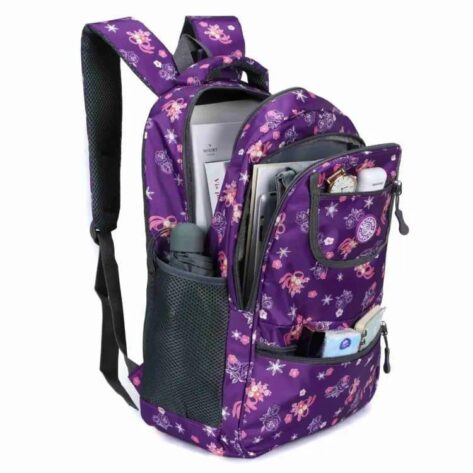
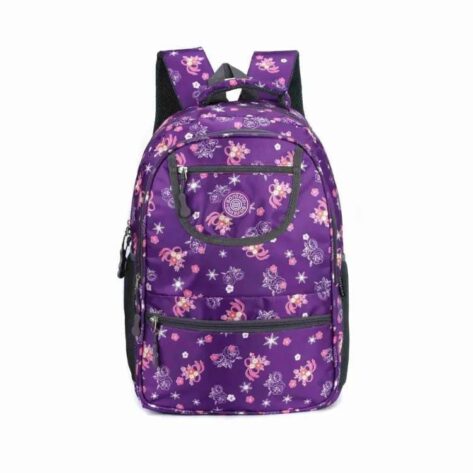
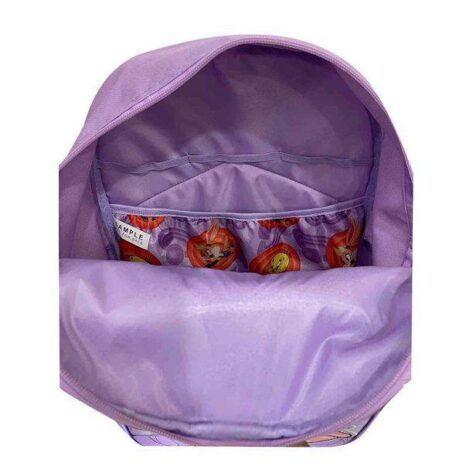
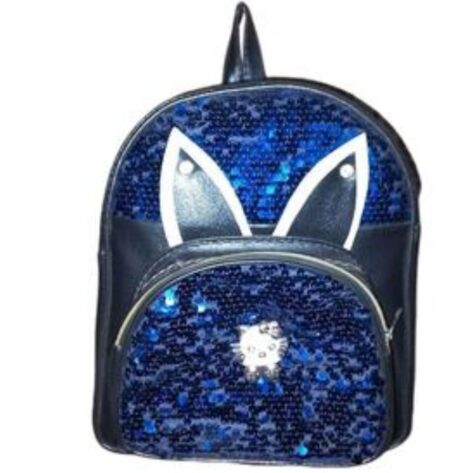
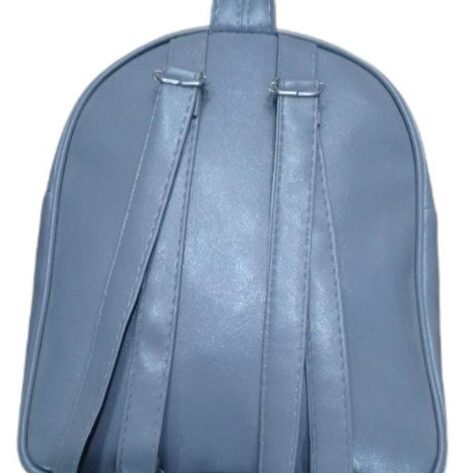
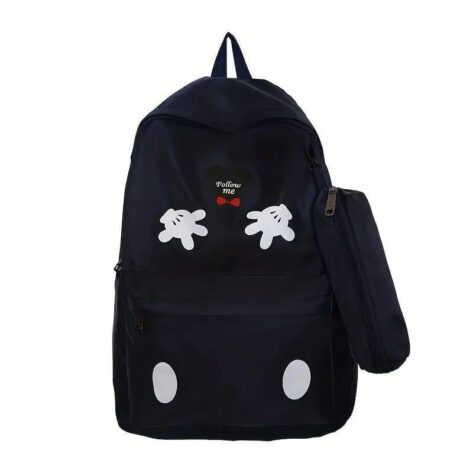
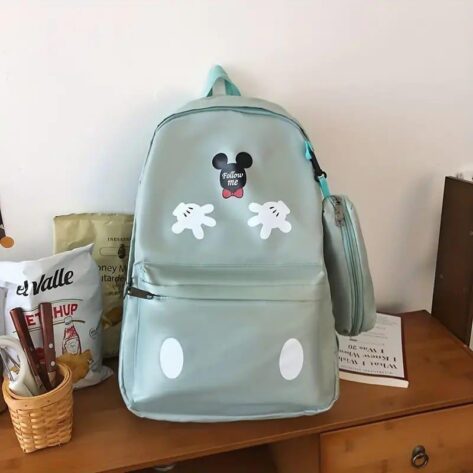
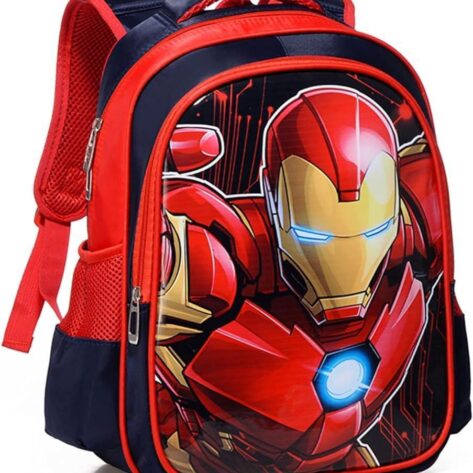
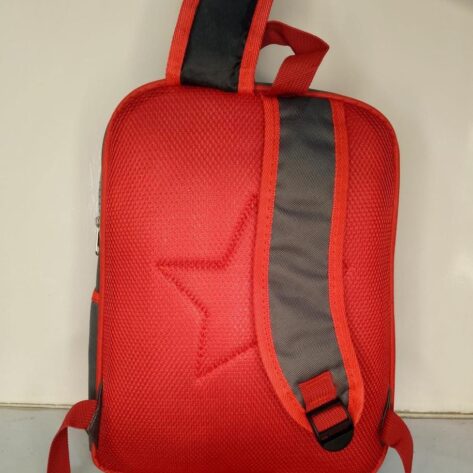
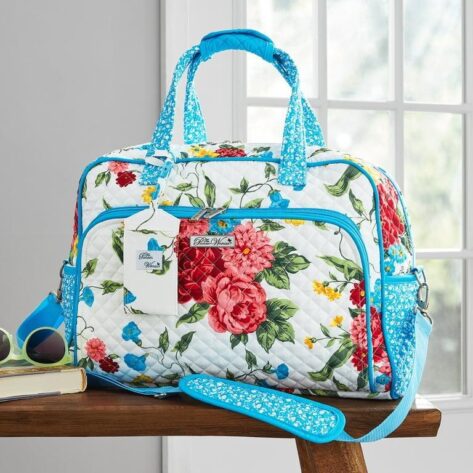
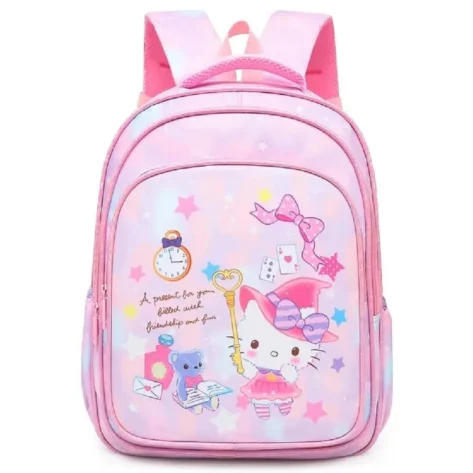
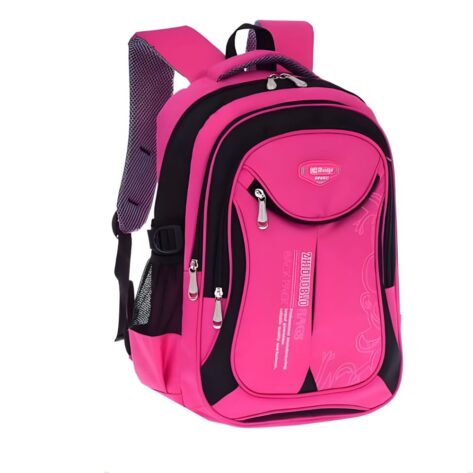
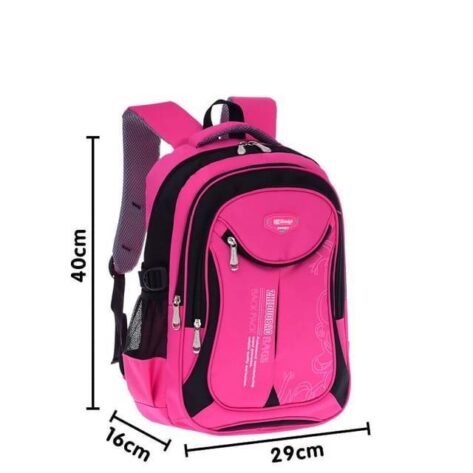
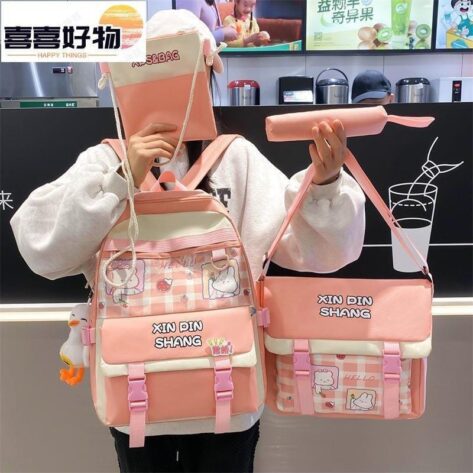
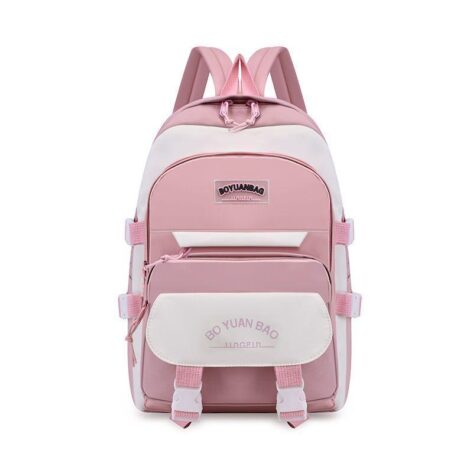
Nylon Casual Backpack – Lightweight Multi-Purpose School & Travel Bag
0
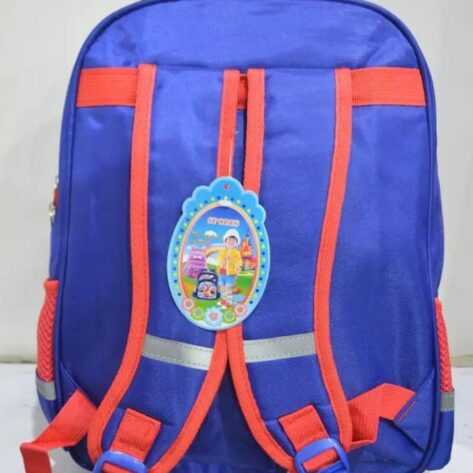
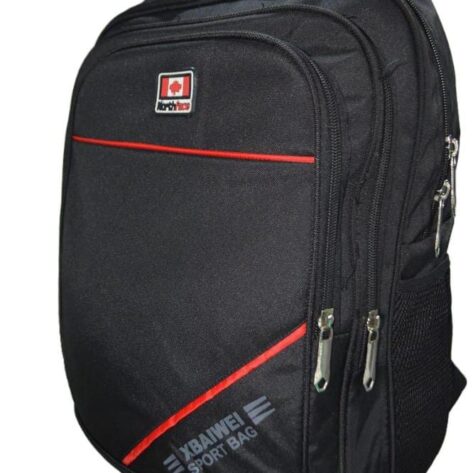
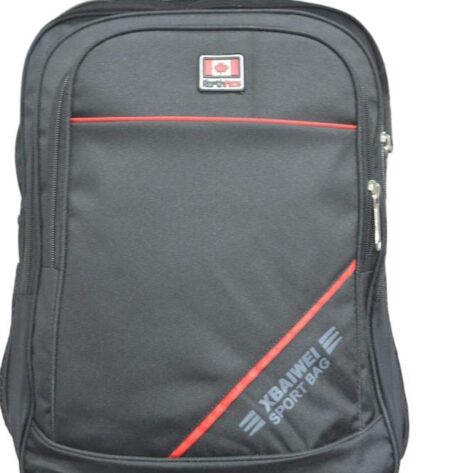
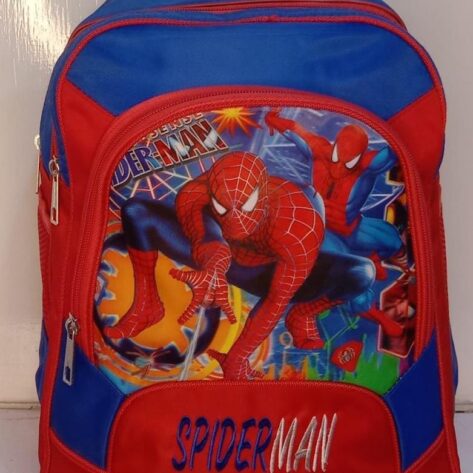
Select options This product has multiple variants. The options may be chosen on the product page
Select options This product has multiple variants. The options may be chosen on the product page
Select options This product has multiple variants. The options may be chosen on the product page
School Bags in Pakistan – Helping Every School Day Start with Confidence
The First Morning of a New School Year
The alarm rings a little earlier than usual.
The house feels different.
A freshly ironed school uniform hangs ready. Shoes have been polished the night before. New notebooks are stacked neatly on the table, waiting to be packed. Somewhere in the house, someone is still searching for a missing pencil, while another family member is making sure the lunch box fits neatly inside the bag.
For many children, the first morning of a new school year brings a mixture of excitement and nervousness.
They wonder who will sit beside them.
Whether they’ll like their new teacher.
If they’ll make new friends.
Parents notice these emotions too. While children think about classrooms and playgrounds, parents quietly focus on helping everything go as smoothly as possible. A calm morning, a prepared school bag, and a few encouraging words can make an enormous difference before the school bell even rings.
That’s why School Bags in Pakistan are about much more than carrying books from home to school. They become part of a daily routine that teaches children how to prepare, stay organised, and take responsibility for the things they need each day.
At ToyTanic, we believe confidence often begins long before a child walks through the school gates. It starts at home, during those small everyday routines that help children feel ready for whatever the day brings.
Every School Day Begins Before the School Bell
School success doesn’t begin when lessons start.
It begins during the quiet moments before leaving the house.
Packing books the night before teaches children to plan ahead. Placing homework in the correct folder avoids last-minute panic. Filling a water bottle, checking the timetable, and making sure stationery is ready may seem like small tasks, but together they create habits that encourage independence and responsibility.
Children who know where everything belongs usually begin their mornings feeling calmer. Instead of rushing around the house searching for missing notebooks or lunch boxes, they leave home knowing they are prepared.
That feeling matters.
Preparation doesn’t only organise school supplies—it helps organise thoughts and emotions too.
Many parents notice that children become more confident when they are trusted to take part in these routines. A younger student may proudly zip up their own bag for the first time. An older child may independently check tomorrow’s timetable before going to bed.
These simple habits quietly teach responsibility without turning everyday life into a lesson.
Over time, they become part of growing up.
School mornings will never be completely perfect. Someone will occasionally forget a pencil, misplace a notebook, or leave a water bottle on the kitchen counter.
That’s perfectly normal.
The goal isn’t perfection.
The goal is helping children develop routines that make each new school day feel a little easier than the last.
When preparation becomes a habit, confidence usually follows.
Which School Bag Setup Matches Your Child?
| If Your Child Is… | Helpful School Bag Setup | Why It Makes School Easier |
|---|---|---|
| The Organised Planner | Multiple compartments for books, stationery and lunch | Keeps school essentials tidy and easy to find |
| The Creative Student | Spacious main section with room for art supplies | Makes carrying creative projects more convenient |
| The Busy Explorer | Easy-access pockets for everyday essentials | Reduces time spent searching for frequently used items |
| The Independent Learner | Lightweight bag with simple zips and organised sections | Encourages children to pack and unpack without assistance |
| The Active Student | Comfortable, well-balanced backpack for everyday use | Supports comfortable carrying throughout busy school days |
Every child approaches school differently. Some carefully organise everything the night before, while others need gentle reminders to pack their homework or refill their water bottle. The purpose of choosing the right School Bags in Pakistan isn’t simply finding enough space for books—it’s helping children build routines that encourage confidence, responsibility, and independence. Because the most successful school mornings rarely begin with rushing. They begin with preparation, encouragement, and the reassuring feeling that everything needed for the day is already waiting by the front door.
A School Bag Does More Than Carry Books
Ask most children what goes inside a school bag, and the answers usually come quickly.
“Books.”
“Pencils.”
“Lunch.”
“A water bottle.”
They’re all correct.
But if you ask parents the same question, the answer is often much bigger.
A school bag doesn’t just carry belongings. It carries the little routines that help children become organised, independent, and prepared for each school day. Every time a child remembers to pack their homework, puts their stationery back in the correct pocket, or checks that their reading book is ready for tomorrow, they’re learning skills that reach far beyond the classroom.
These everyday habits may seem small today, but they quietly build confidence that lasts for years.
Organisation Starts with Small Habits
Busy school mornings become much easier when children know exactly where everything belongs.
A notebook always goes into the same compartment. The lunch box has its own place. Pencils, erasers, and rulers stay together inside a stationery pouch instead of disappearing into the bottom of the bag.
These routines save far more than time.
They reduce stress.
Children spend less time searching for missing items and more time focusing on the day ahead. Parents also enjoy calmer mornings because everything has already been packed and organised.
Organisation isn’t something children suddenly learn as teenagers.
It begins with simple daily habits repeated throughout childhood.
Finding Homework Without Panic
Almost every family has experienced that familiar moment.
“Where’s my homework?”
The answer usually comes after several minutes of searching through books, loose papers, and yesterday’s artwork.
A simple routine can prevent those last-minute worries.
Encouraging children to keep homework in one dedicated folder, return completed assignments to the same place, and quickly check their school bag every evening helps them take ownership of their responsibilities.
Over time, they begin relying less on reminders and more on their own routines.
That’s an important step towards becoming independent learners.
Learning to Pack Independently
Packing a school bag might seem like a task parents should always handle.
In reality, it’s one of the easiest ways to teach responsibility.
A younger child can begin by placing books into the correct compartment or checking whether their lunch box has been packed. As they grow older, they can gradually take responsibility for preparing everything themselves.
Of course, mistakes will happen.
A notebook may occasionally be forgotten.
A pencil case might stay on the dining table.
These moments aren’t failures.
They’re opportunities for children to learn how preparation affects the rest of their day.
With gentle guidance instead of criticism, children slowly become more organised and more confident in managing their own belongings.
Looking After Things That Matter
Children often value their belongings more when they learn to care for them.
Closing zips carefully, returning books to the right compartment, emptying lunch boxes after school, and keeping water bottles clean all help children understand that looking after their possessions is part of becoming responsible.
These routines don’t simply protect school supplies.
They encourage respect for personal belongings and develop habits that often continue into adulthood.
Responsibility grows one small action at a time.
Helping Children Stay Organised
Organisation doesn’t need to feel complicated.
A simple evening routine can make every school morning smoother.
Spend a few minutes checking tomorrow’s timetable together. Refill the water bottle. Place completed homework inside the correct folder. Return stationery to its pouch and put the packed school bag near the front door before bedtime.
These small habits quickly become automatic, reducing unnecessary stress for both parents and children.
The goal isn’t to create perfect routines.
It’s to create reliable ones.
Every Student Learns Differently
Every child approaches school in their own way. Understanding your child’s natural habits can help you create routines that make organisation feel easier instead of overwhelming.
| Student Personality | Helpful Daily Habit | Why It Helps |
|---|---|---|
| The Organiser | Follow a simple packing checklist every evening | Builds consistency and reduces forgotten items |
| The Busy Explorer | Keep frequently used items in the same compartments | Saves time during busy mornings |
| The Creative Student | Store art supplies separately from books | Protects schoolwork and keeps materials organised |
| The Independent Learner | Pack the school bag before bedtime | Encourages responsibility and self-confidence |
| The Active Student | Empty and reorganise the bag at the end of each week | Keeps the bag comfortable to carry and free from unnecessary weight |
A well-organised School Bag does much more than help children carry books from one place to another. It encourages routines, builds responsibility, and gives children the confidence that comes from being prepared. One neatly packed bag won’t change a child’s future overnight, but the habits formed while packing it every day can quietly shape the organised, independent, and responsible person they continue becoming long after the school year ends.
Creating Stress-Free School Mornings
School mornings often set the tone for the rest of the day.
When everything is ready, children leave home feeling calm and confident. When books are missing, homework can’t be found, or someone is searching for a water bottle at the last minute, even the happiest morning can quickly become stressful.
The good news is that peaceful school mornings rarely depend on luck.
They are usually the result of a few simple habits repeated every day.
Parents don’t need complicated systems or perfectly organised homes. Small routines, followed consistently, can save time, reduce unnecessary stress, and help children become more independent with every school year.
Choosing the Right School Bag for Everyday Life
A school bag becomes part of a child’s daily routine, so comfort should always come before appearance.
The right size allows children to carry everything they need without feeling weighed down. A bag that is too large often encourages children to carry unnecessary items, while one that is too small quickly becomes overcrowded and difficult to organise.
Comfort also matters.
Wide, adjustable shoulder straps help distribute weight more evenly, making the bag feel easier to carry throughout the day. When both straps are used correctly, children are more likely to maintain good posture and avoid unnecessary strain on their shoulders.
Instead of asking,
“Does this bag look nice?”
it can be more helpful to ask,
“Will this make every school day easier for my child?”
Light Bags Make Busy Days Easier
Many school bags become heavier than they need to be.
Old worksheets, unnecessary notebooks, forgotten toys, and empty snack wrappers quietly collect inside until the bag weighs much more than expected.
A quick check at the end of each week helps remove anything that isn’t needed for the days ahead.
Encourage children to carry only the books required for the next day’s timetable whenever possible. A lighter bag is not only more comfortable but also encourages healthier posture as children walk to school or move between classrooms.
Sometimes the simplest changes make the biggest difference.
Build a Packing Station at Home
One of the easiest ways to reduce morning stress is to give school items a permanent home.
Choose a small area near the front door, in the hallway, or beside a study desk where everything is prepared before bedtime.
The school bag stays in one place.
Shoes are lined up neatly underneath.
The lunch box, water bottle, homework folder, and stationery pouch all have their own spot.
Children quickly learn where to find everything, and mornings become far less rushed because nothing needs to be searched for at the last minute.
Organisation becomes part of the home, not just part of school.
The Evening Routine That Saves Tomorrow Morning
A few minutes every evening can prevent a great deal of unnecessary stress the next day.
Check tomorrow’s timetable together and pack only the books that will be needed. Place completed homework inside the correct folder before it can be forgotten on the dining table. Refill and wash the water bottle so it’s ready for the morning, and prepare the lunch box as much as possible in advance.
Some families also keep a simple homework checklist on the fridge or beside the study area. Children enjoy ticking off completed tasks, and parents gain peace of mind knowing everything has been checked before bedtime.
These routines don’t take long.
They simply replace morning panic with quiet preparation.
Small Mistakes That Are Easy to Avoid
Parents naturally want to help, but a few common habits can unintentionally make school life more difficult.
Packing every bag yourself may prevent children from learning responsibility. Choosing a bag that’s much bigger than necessary often encourages unnecessary weight. Forgetting to adjust shoulder straps properly can make even a lightweight bag uncomfortable to carry.
Another common mistake is waiting until the bag becomes untidy before organising it again.
Instead, encourage children to spend a few minutes each week removing old papers, checking stationery, and preparing for the days ahead.
These simple habits gradually become part of everyday life.
They teach organisation without feeling like extra work.
The purpose of School Bags in Pakistan isn’t simply to carry books between home and school. They’re part of a daily routine that helps children prepare, care for their belongings, and become more independent with every passing year. Sometimes the calmest school mornings don’t happen because parents did everything perfectly—they happen because families created small habits that make every new day feel a little more organised, a little less stressful, and a lot more enjoyable.
The Little Habits They’ll Carry for Life
School is about much more than lessons, homework, and report cards.
Some of the most important things children learn aren’t written in a textbook at all.
They learn to arrive prepared.
They learn to look after their belongings.
They learn to solve small problems on their own.
They learn that remembering a homework folder, packing a lunch box, or checking tomorrow’s timetable isn’t just part of school—it’s part of becoming responsible.
These habits don’t appear overnight.
They grow slowly through everyday routines shared with parents, one school morning at a time.
A school bag may only carry books, notebooks, and stationery, but the routines built around it often carry something much more valuable: confidence.
⭐ School Success Checklist
Helping children become organised doesn’t require complicated systems. Often, a few simple habits repeated every day make the biggest difference.
20 Daily School Habits Every Child Can Learn
- Pack tomorrow’s books before bedtime.
- Check the school timetable every evening.
- Place completed homework inside the correct folder.
- Refill the water bottle before going to bed.
- Empty the lunch box after school.
- Keep pencils, erasers, and rulers inside a stationery pouch.
- Return books to the same compartment after every lesson.
- Wear both shoulder straps when carrying the school bag.
- Remove unnecessary papers at the end of each week.
- Check that name labels are still attached to belongings.
- Polish shoes or prepare them the night before.
- Fold the school uniform ready for the morning.
- Charge any school devices if needed.
- Keep library books in a dedicated pocket.
- Tick off a simple homework checklist each evening.
- Double-check special activities such as sports or art classes.
- Wash and prepare the lunch box for tomorrow.
- Place the packed school bag near the front door.
- Spend a few minutes organising the bag every weekend.
- Leave home with a smile, knowing you’re prepared for the day ahead.
These habits may seem small individually, but together they help children become more organised, independent, and confident as they grow.
Learning Doesn’t End When School Finishes
The school day may end in the afternoon, but learning continues in many different ways at home.
After homework is complete, Educational Toys can encourage curiosity and help children explore new ideas in a fun and engaging way. Blocks & Puzzles provide opportunities to strengthen logical thinking, concentration, and problem-solving through creative challenges.
Children also need time to move after spending hours sitting in the classroom, which is why Active Play Toys help create a healthy balance between learning and physical activity. A quiet Kids Tent House can become a cosy reading corner where children enjoy books, relax, or complete homework without distractions.
Together, these experiences remind children that learning isn’t limited to classrooms. It happens through reading, creating, exploring, moving, and spending meaningful time with family.
Frequently Asked Questions
How do I choose the right school bag for my child?
Choose a bag that fits your child’s size, feels comfortable on both shoulders, has enough compartments for daily essentials, and is suitable for everyday school use without encouraging unnecessary weight.
How heavy should a school bag be?
A school bag should carry only what is needed for that day. Regularly removing unnecessary books, papers, and other items helps children carry their belongings more comfortably.
How can I help my child become more organised?
Start with simple routines. Packing the school bag the evening before, checking homework together, and giving every item a designated place can gradually help children become more independent and responsible.
The Little Habits They’ll Carry for Life
Years from now, your child probably won’t remember exactly which school bag they carried in Year One or how many compartments it had.
But they may remember sitting beside you the evening before school, carefully packing tomorrow’s books together. They may remember searching for a missing pencil while laughing instead of panicking, proudly checking off their homework list, or learning to zip up their own bag before walking out the front door.
Those moments may seem ordinary today.
Yet they quietly become the habits that shape adulthood.
Organisation.
Responsibility.
Preparation.
Independence.
Confidence.
At ToyTanic, we believe a school bag is never just something that carries books. It’s part of the daily routines that help children learn to take responsibility for themselves, care for their belongings, and approach each new day with confidence.
Perhaps that’s the most valuable lesson of all.
Because every morning spent packing together, checking homework, finding that missing pencil, and encouraging your child to prepare for the day isn’t just building good school habits—it’s quietly teaching responsibility, independence, and confidence that will stay with them long after they leave the classroom.
Prepare your child for both learning and play by exploring our Educational Toys, Blocks & Puzzles, Toys for Babies, Pretend Play Toys, and Active Play Toys collections.